Tag Archives: elemental

The big October giveaway!

UPDATE: Thursday 31 October 2013. The competition has now closed. Congratulations to winner Megan Warren. Happy reading, Megan!

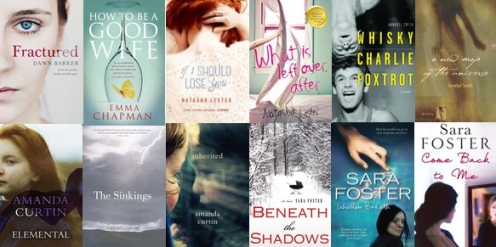
This month the Writers Ask Writers group is giving away a set of TWELVE books (value $300)—a copy of our most recent releases, plus a book we’ve each selected that has, in some way, inspired our own.

If you live in Australia, you can enter the giveaway by going to the Elemental Facebook page and clicking on the blue BOOK GIVEAWAY tab, centre; alternatively, you can link directly by using the Facebook mobile app link.

Here are the titles you could win:

REVISED giveaway oct 2013

Interesting choices? Read on to find out what’s behind these pairings. And good luck!

~~~

In the conception and writing of Elemental—a period of more than five years—I was never conscious of having Tirra Lirra by the River in my head. If you’d asked me then what my writing inspirations were, I might have opened up an archive box full of research materials—an eclectic collection of books (history, biology, philosophy, language, poetry, memoir), photocopies from archives and newspapers, travel notes and photographs, printouts from websites.

All of the materials in that archive box were indeed inspirational, and indispensable, and they mean a great deal to me.

But now, reflecting on the novel I have written, I can recognise other inspirations—the kind that are less about the particularities of time and place, character and circumstance, and more about writing itself.

They lay scattered, like breadcrumbs, along the reading pathways of my life—trails winding around books I love, stories I have lived and breathed as my own, authors whose words scale summits I aspire to reach. Among them are novels by Gail Jones, Annie Proulx, Simone Lazaroo, Anne Michaels… so many others.

And one of them is Jessica Anderson’s 1978 classic and best-known work, which won her the first of her two Miles Franklin Awards.

Old hands writing something with a pen in a notebookTirra Lirra by the River and Elemental have in common an elderly woman reflecting on her life. And through that central act of reflection, the two novels also share a preoccupation with memory, time and change—although Anderson’s Nora Porteous and my narrating character, Meggie Tulloch, are women of different eras, different worlds. There is nothing alike in their life experiences, or in their character or heart.

However, I fell in love with Tirra Lirra by the River primarily for its voice (something I have spoken of in a previous post)—the acerbic, imperious, unflinching voice of the elderly Nora Porteous who, returning (grudgingly) to the place and people of her childhood, looks back on all that drove her away and all that has brought her back.

And this is where I owe my debt to the late Jessica Anderson. I think it was Tirra Lirra by the River that taught me what I needed to know to create a distinctive voice for the first three parts of Elemental: the voice of Meggie Tulloch, the fisher girl/gutting quine who emigrates from Scotland to Western Australia, who lives through what she calls ‘the shifts in the world when everything changes’, who is daughter, sister, mother, wife, widow, grandmother and, through all of these, friend.

And I think it was Tirra Lirra that gave me resilience when I happened to read Henry James’s crushing opinion that ‘In any long fiction, use of the first-person point of view is barbaric.’

Thank you, Jessica Anderson, for proving Henry wrong so resolutely and so elegantly. For giving me so much to aspire to.

~~~

Here are links to why my writer friends have chosen their companion titles—and to more ways you can enter our big October giveaway.

Dawn Barker: The subject matter was horrific, and made even more so by the way she [Lionel Shriver] chose to be quite blunt and realistic in the way she wrote. This book didn’t have a Hollywood ending to make it more palatable.’—Read more here

Emma Chapman: ‘…each one made me think differently about what women’s fiction was and how for women writers at that time, it was almost impossible to separate your gender from your identity.’ —Read more here

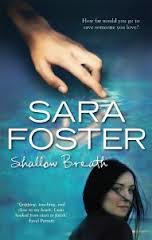
Sara Foster: I wasn’t just moved by the story, I was also impressed by how Anthony managed to combine realism with idealism when discussing conservation. This delicate line is one my characters struggle with in Shallow Breath…’ —Read more here

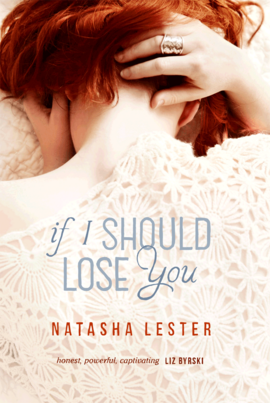
Natasha Lester: Joan Didion’s book covers some similar themes; it’s about mothers and daughters and their relationships, it’s about husbands and wives and their relationships, and it’s about the way grief can simply overtake a person, although they may appear to be functioning on the outside.’ —Read more here

Annabel Smith: In hindsight, I see Zadie Smith’s protagonist, Alex-Li Tandem, as a kind of spiritual brother to my protagonist Charlie: a little lost, blind to his own shortcomings, stubbornly refusing to grow or do the things he knows he needs to do…’—Read more here

PWFC author collage

7 Comments

Filed under Writers ask writers

10 things I love about Sydney…

In no particular order…

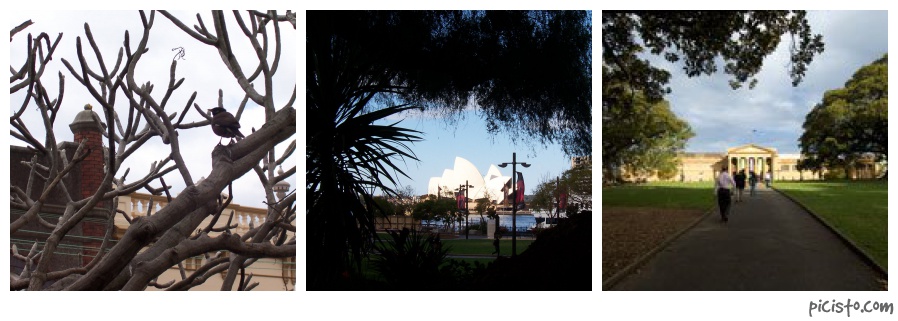
The Rocks

I always think of Ruth Park’s Playing Beatie Bow… a place of ghosts and time-travellers

Sydney skies

which always have a story to tell

Those intrepid bridge walkers

I admire them but I’ll never be one of them!

picisto-20130712101823-716111

Balmain

fond memories of Saturday-morning shopping in this old suburb when I lived in nearby Drummoyne many years ago—and I still love its shops and cafes and markets and Federation architecture

Opera whites

a stray glimpse of those iconic sails through the trees—the Sydney wow factor!

The Art Gallery of New South Wales

home of one of my favourite paintings, Grace Cossington-Smith’s The sock knitter

picisto-20130712103200-364228

The coat hanger

52,800 tonnes of cross-harbour style

Adriano Zumbo

macarons and works of art sculpted in choux and sugar… yes, please!

Great friends

Tony and Pauline (with the charming Pompey). Click here to read the story of Tony’s long-lost—and now found—band, Fuchsia

picisto-20130712103954-600728

and…

Better Read Than Dead

voted Lonely Planet’s Favourite Sydney Bookshop—and the lovely folks at BRTD have invited me there to talk about Elemental on Wednesday 24 July, 6.30pm (more information here). If you’re nearby and free that night, please come along—I’d love to see you!

store

footer

2 Comments

Filed under Elemental

Cook the book?

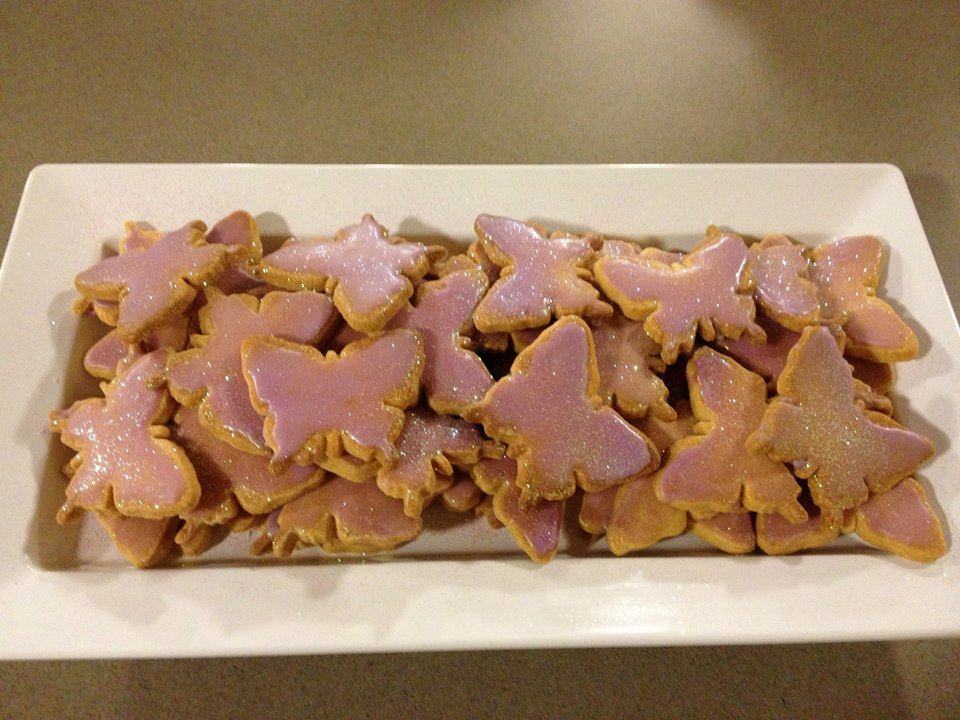
305552_519986454721641_290325696_nAt the launch of Elemental last week, the wonderful Britt Ingerson, Publishing Assistant at UWA Publishing, made these gorgeous butterfly biscuits. They were so popular that they disappeared in the blink of an eye. If you want Britt’s recipe, you can find it here.

Britt writes that her inspiration came from this passage in Elemental:

I sniffed some luscious smell, unfamiliar. Mmmm, said Kitta, throwing back her head, breathing it in. Cinnamon an’ raisins! And beautiful it was after weeks of fish oil, fish blood, fish guts, fish, fish, fish. We went into a bakery—heaven! You could almost eat the air. I was achingly tempted to sacrifice four of my precious pennies on a sugar biscuit fashioned into the shape of a butterfly, but a chorus of long-dead Duthies protested in my head: Raickless waste! Extravagance!

And then, my lovely neighbour Mike Ockenden came by with some traditional Cullen Skink—hands-down the most delicious soup I’ve eaten since I had the same in north-east Scotland—no, actually Mike’s was better! Here’s what Meggie says about it:

Ooh, imagine! The taste of a smokie! Or Cullen Skink, the milky soup made with mashed potato and smoked haddock. I nodded, hungry for cold-water fish, fish from my mother’s creel.

I love that Mike made it the way Meggie would have done, too.Slide1

A huge thank-you to Britt and Mike for these very special culinary responses to Meggie’s story. A new spin on ‘cooking the books’?

4 Comments

Filed under Elemental

On launching a book…

Monarch life stages

My new novel, Elemental, was released on 1 May but tonight it will be officially launched—which means there’ll be a lovely gathering of friends, family and colleagues, some wine, a couple of speeches. A launch celebrates the result of a long metamorphosis, which can be grossly simplified as: a cluster of ideas > manuscript > book. You hope what you release into the world is something of beauty and something of value.

A friend phoned last night and asked me how I feel.

I remember trying to describe that for my first launch in 2008. This is what I said then:

I’ve loved working with other people’s books [as an editor] for 24 years. When I began researching and writing The Sinkings in 2003, I hoped, as all writers do, that my manuscript might one day turn into a book but I knew too much about publishing to be confident that that would ever happen. So I am truly thrilled to be standing here with this book in my hand, and still perhaps a little incredulous at my good fortune. Thank you, Terri-ann [Terri-ann White, Director, UWA Publishing], for believing in The Sinkings and taking a chance on a new writer—no small thing in the publishing world today.

Here we are, third book, five years later, and I can still say: that’s how I feel. Thrilled. Lucky. Thankful.

16 Comments

Filed under Elemental

Writers ask writers: writing space

PWFC author collage

This month’s question in the Writers Ask Writers blog series is: Where do you write? Here’s my response, and you can scroll down to find links to those from my writer friends Dawn Barker, Emma Chapman, Sara Foster, Natasha Lester and Annabel Smith.

~~~

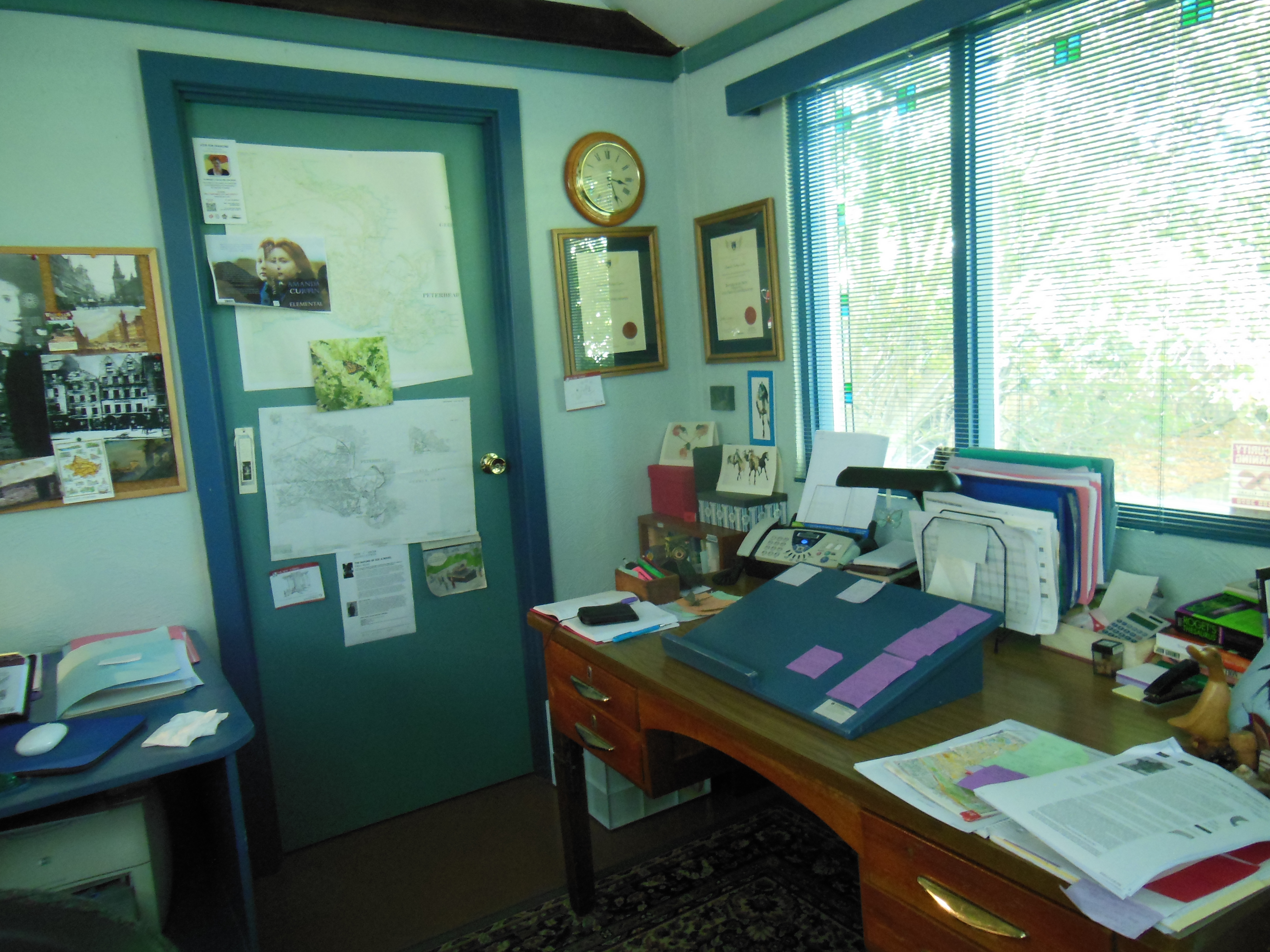
DSCN3110My house was built as a shop (1928), and I write in a backyard studio that was once the storeroom for the shop. It’s a comfortable, messy, unglamorous space filled with books and maps, postcards and photographs, archive boxes and filing cabinets and hundreds of manila folders. I’m sorry to say that the paperless office is a concept unknown around here!

I love my studio, and it’s a bonus that the only rush-hour traffic I ever encounter on the way there is a few sleepy doves.

But much of my just-released novel Elemental was written in other places.

100_1742

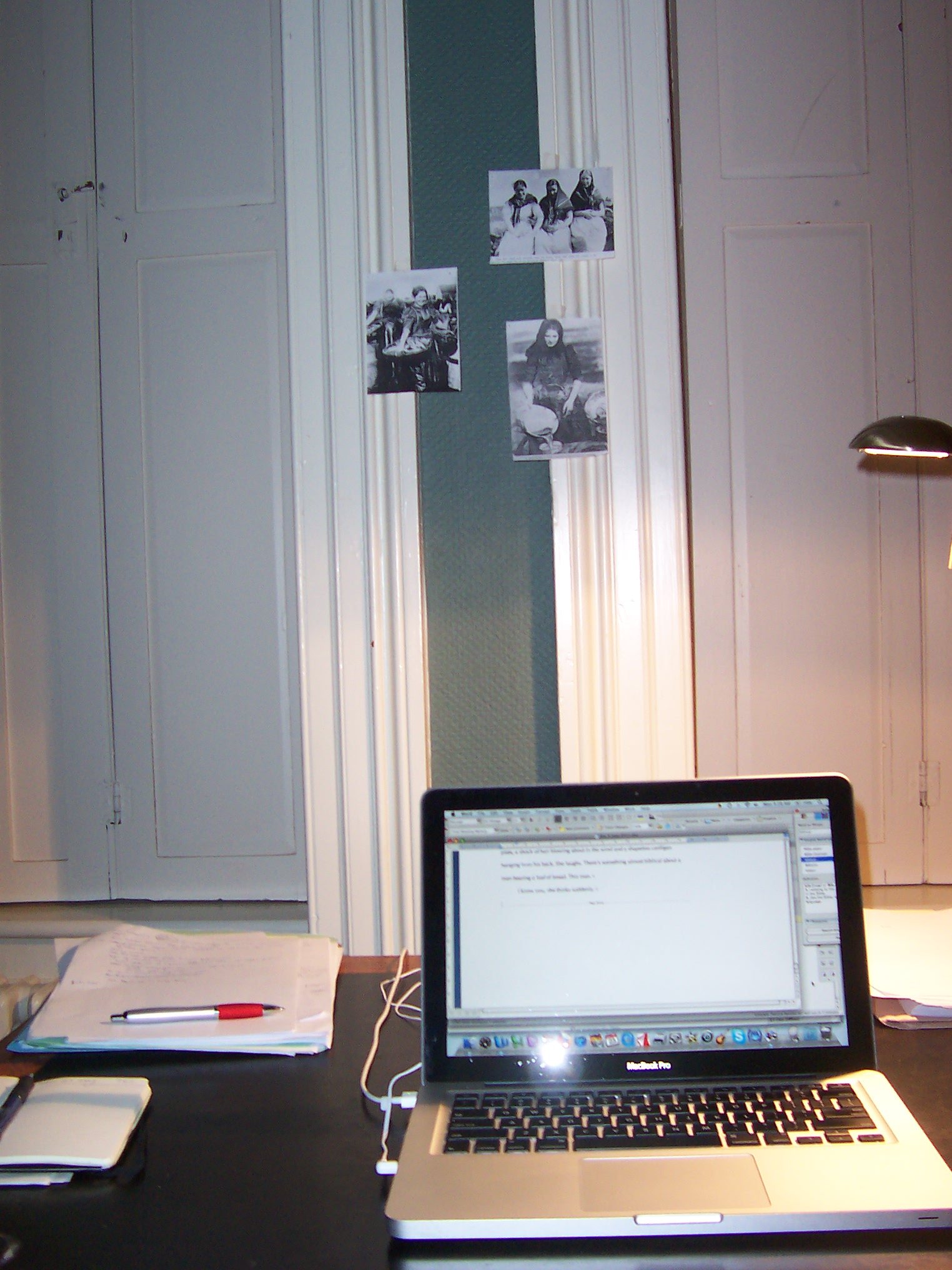
Writing desk at Kelly’s Cottage

As the recipient of writing residencies/fellowships, I’ve spent time at Kelly’s Cottage, at the top of Kelly’s Steps in Salamanca, Hobart, overlooking Mt Wellington; Hawthornden Castle in Midlothian (south of Edinburgh) in a snow-bound Scottish winter; and the Tyrone Guthrie Centre, a glorious stately home in County Monaghan in Ireland, populated by writers, artists, sculptors, dancers, musicians and filmmakers.

100_2024

Hawthornden Castle; the top left dormer window was my attic room

100_2027

You need gloves at Hawthornden in winter!

100_3916

At the Tyrone Guthrie Centre

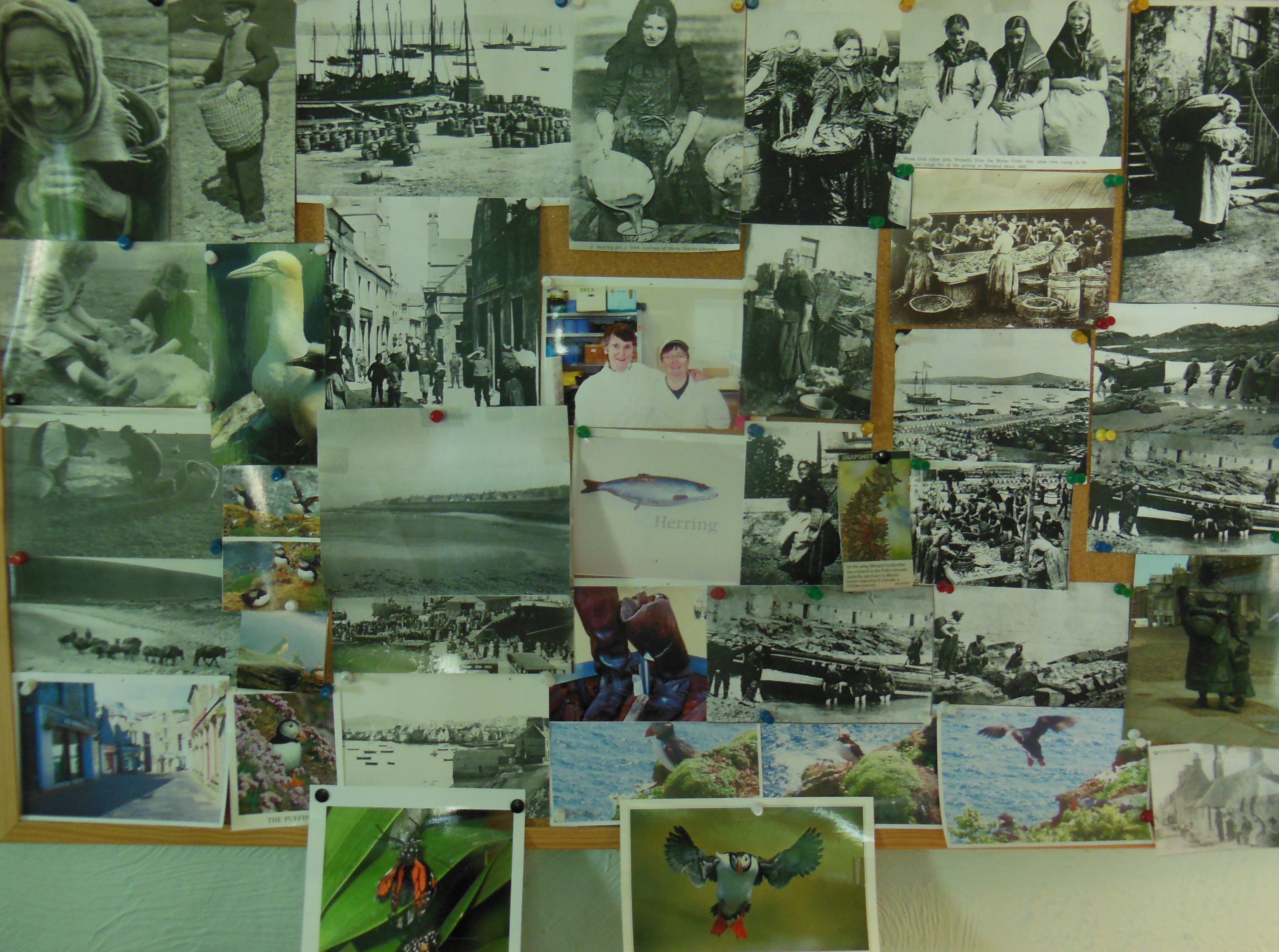
If you look closely at the photos, you might notice that I carried around with me the same images—dog-eared photocopies of photos, found in old books, of the herring girls I was writing about.

Amanda_writer

In the Morning Room, my space at the Tyrone Guthrie Centre. Photo by Maria Maier

Place—landscape, people, history—affects me deeply as a person and as a writer, although there is often a gap of years before I can see a direct relationship between a place I’ve been and its trace in my writing. But I know that the atmospheric grey skies of Tasmania, Scotland and Ireland all found their way into my imagination, and into Elemental.

DSCN1365

At Ledig House

This last photo (right) was taken in late 2012 at Ledig House, in upstate New York. No herring girls this time—I was (and still am) working on a new project, set in Paris.

I feel privileged to have had the opportunity to write in these beautiful places (thanks to the Tasmanian Writers Centre, Mrs Drue Heinz, the Australia Council and Writers Omi), and to have my own place as a continuing inspiration.

~~~

Click on the links to read what my writer friends had to say:

Annabel Smith: With a school-aged child, my writing day is short. I don’t want to waste even half an hour travelling to a library. And I am well-trained by now to ignore the siren song of bed-making, breakfast dishes, and piles of washing. So I write from home. I have a nice big desk, sandwiched between two ubiquitous Expedit shelving units from Ikea.—Read more here

Natasha Lester: I also have one entire wall covered in bookshelves because I love sharing my space with all these wonderful words. How can I not aspire to greatness when I have Jane Austen and Charlotte Bronte and Margaret Atwood sitting just within reach? —Read more here

Sara Foster: I have fantasies about a studio—a room of my own, with wall-to-wall bookcases, and inspirational images and quotes all over the walls. However, while I’m working on that I’ve found that good things can come out of being nomadic—sometimes my location, the weather, or something I witness can really influence a scene.—Read more here

Emma Chapman: Sitting at the same desk all day can make me go a bit crazy. If I feel like that, I take a walk around Lake Monger, or sit on our small terrace and read an unrelated novel. I also like to work in cafes in my local area, just to get me out and about. Baking with music on really loud also helps me to get back in the zone.—Read more here

Dawn Barker: It helps to have a dedicated writing space at home that I can associate purely with writing. Before I had an office, I’d write at the kitchen table, or with my laptop on my knees in bed, but I like the feeling now of entering a new physical and emotional space when I sit down at my desk.—Read more here

DSCN3116 DSCN3117

14 Comments

Filed under Writers ask writers

Twelve-book giveaway!

UPDATE: Monday 6 May 2013. The competition has now closed. Congratulations to winner Jess Fitzpatrick. Happy reading, Jess!

If you live in Australia or the UK, here’s a chance to win a pack of TWELVE books (value over AUD$300) from the ‘Writers Ask Writers’ group. Just go to the Elemental Facebook page and click on the blue BOOK GIVEAWAY tab, top right.

The titles you could win are:

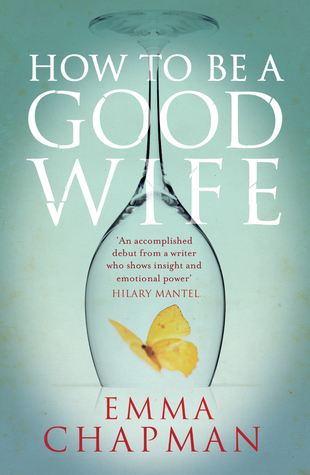
How To Be a Good Wife by Emma Chapman

Fractured by Dawn Barker

If I Should Lose You and What Is Left Over, After by Natasha Lester

Whisky Charlie Foxtrot and A New Map of the Universe by Annabel Smith

Shallow Breath, Beneath the Shadows and Come Back to Me by Sara Foster

and mine: the newly released Elemental, Inherited and The Sinkings

Good luck!

13.04 Giveaway Collage

Leave a comment

Filed under Writers ask writers

A wee countdown: 6

Only six days to go until Elemental is in stores, and here’s today’s little language lesson.

quine, quinie

meaning

girl, young woman; ‘quinie’ is an affectionate form of the word

iStock_000020753706_Medium

From Elemental:

All the way from India, Kitta had told me in a hush of awe. All the quines wear silk in India. Their dresses an’ shawls, the scarves on their heads, even their drawers! And we looked at each other, trying to imagine such extravagance, such indulgence, and thinking what a scandalous, perfect place it must be, this place called India.

For more quick language lessons, click on the links for have a jamaica, chuckney, jeely pieces and laavie.

8 Comments

Filed under A wee countdown

Writers ask writers: the writing process

PWFC author collageI’m delighted to be taking part in this new blog series, Writers Ask Writers, a collaboration with five other novelists based in Western Australia:

fractured coverhowtobeagoodwife coverimages9781921888786_IfIShouldLoseYou9781922089144_WHISKYCHARLIEFOXTROT_WEB

Each month we’ll be posing to the group one of the questions most asked by readers. This month’s question is: What is your writing process? Here’s my response.

~~~

I’ve written two novels. I’ve published these and a collection of short fiction. I’m well into a fourth project consisting of two novellas. I should have a writing process, right? Hmm.

I suppose I do. There are, after all, stages that all writers go through—conception, dreaming, research, drafting, tinkering, review, editing—and the many repetitions of these last stages, however many are needed (so many are needed). But the way this happens feels too nebulous to be called a process. Process seems to imply a series of steps—linear, organised, focused. What I do is more spidery than that. And it’s been different for each work, although there are threads common to all.

For Elemental, I began with a few words on scraps of paper* and a rough idea of where to begin researching. Research is an especially spidery activity: throwing spinnerets far into the breeze, following them as far as they’ll go, or as far as you want to take them, seeing what sticks, and where, finding bridges between strands, filling in, unpicking, abandoning, rebuilding.

I LOVE it!

DSCN3038Research took me to the north-east coast of Scotland, the Shetland Islands and Great Yarmouth; to archives, libraries and museums, cemeteries, a fish factory, a cliff alive with puffins, a preserved but-and-ben (a type of cottage) with peat smouldering in the fireplace. I clambered over rocks to plunge my hands into the North Sea, to feel for myself how cold it was. I was blown along the seafront of Great Yarmouth and now understand why nobody goes there in winter.

I spoke with (among many other people) a former Shetlands herring girl; a woman who breeds butterflies; and the wonderful people at Royal Perth Hospital’s Burns Unit headed by Professor Fiona Wood, world pioneers in burns treatment. It always humbles me that sane, busy people are so generous and patient and willing to answer a writer’s questions.

The research gave me the precious gift of a few key images** that I sensed were important; that they would serve as structural markers along the way. It also made me realise what should have been obvious all along: that this novel was going to be dealing thematically with some ideas I’d been thinking about for a very long time: heroism, sacrifice, metamorphosis.

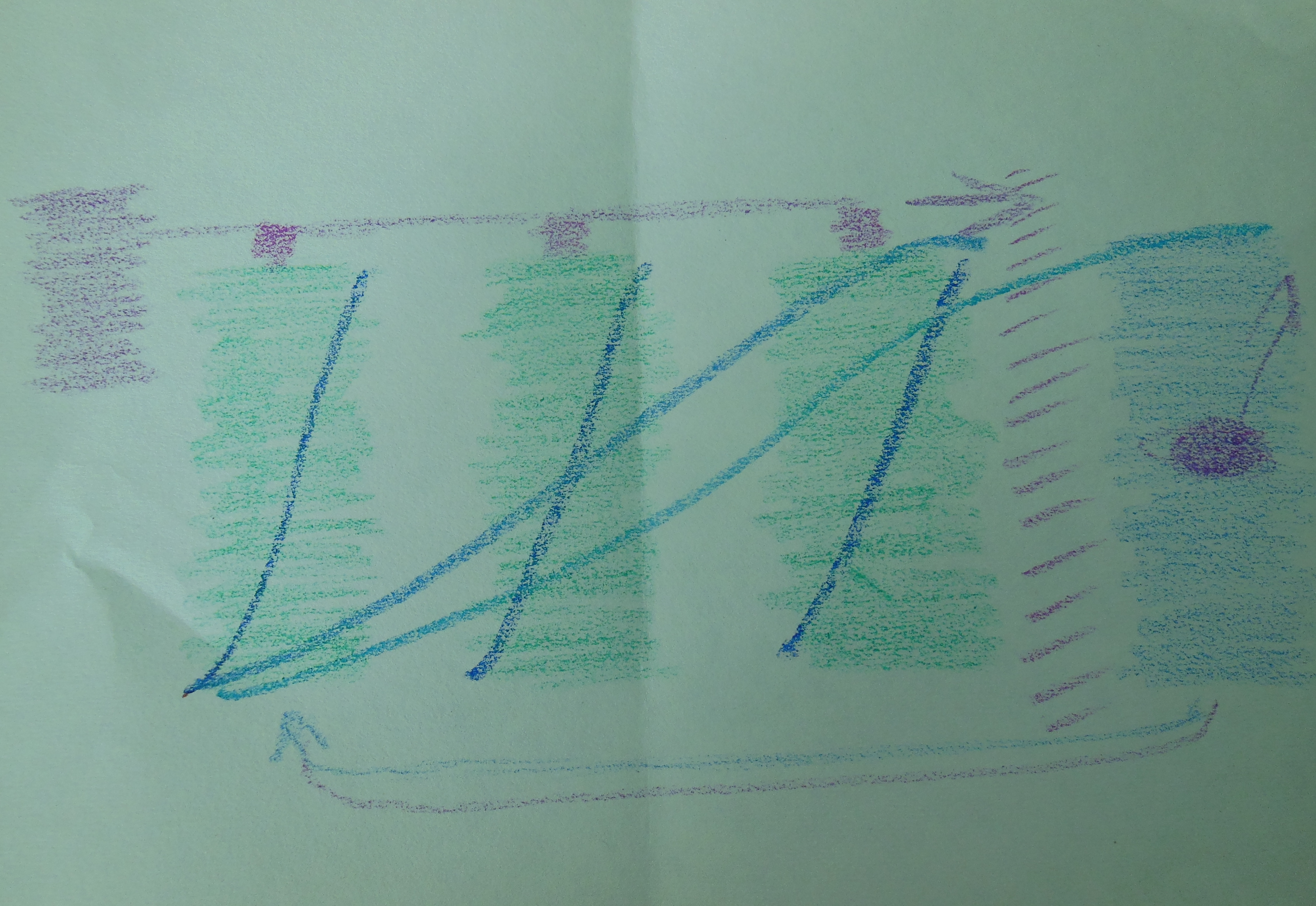
DSCN3036By this time I knew it would be a novel in four parts: Water, Air, Earth and Fire. I had a pattern in my mind, too, but I didn’t commit it to paper for a while. When I did, it was this messy thing—but it was the closest thing I ever came to having a written plan.

The writing itself? Well, it was/is one of the most solitary, insular activities imaginable, involving long periods of apparent inactivity unless you count staring as an activity, more talking aloud to yourself—and answering—than can surely be good for anyone, countless cups of tea, and millions of keystrokes. If you were to analyse the latter, I’m positive you’d find the delete key to be the most used of all.

I try—especially when I’m writing the first draft—to carve out blocks of time for writing so I can achieve and sustain momentum. But often I have to fit it into and around everything else. It’s a long process—there, that word has its uses after all.

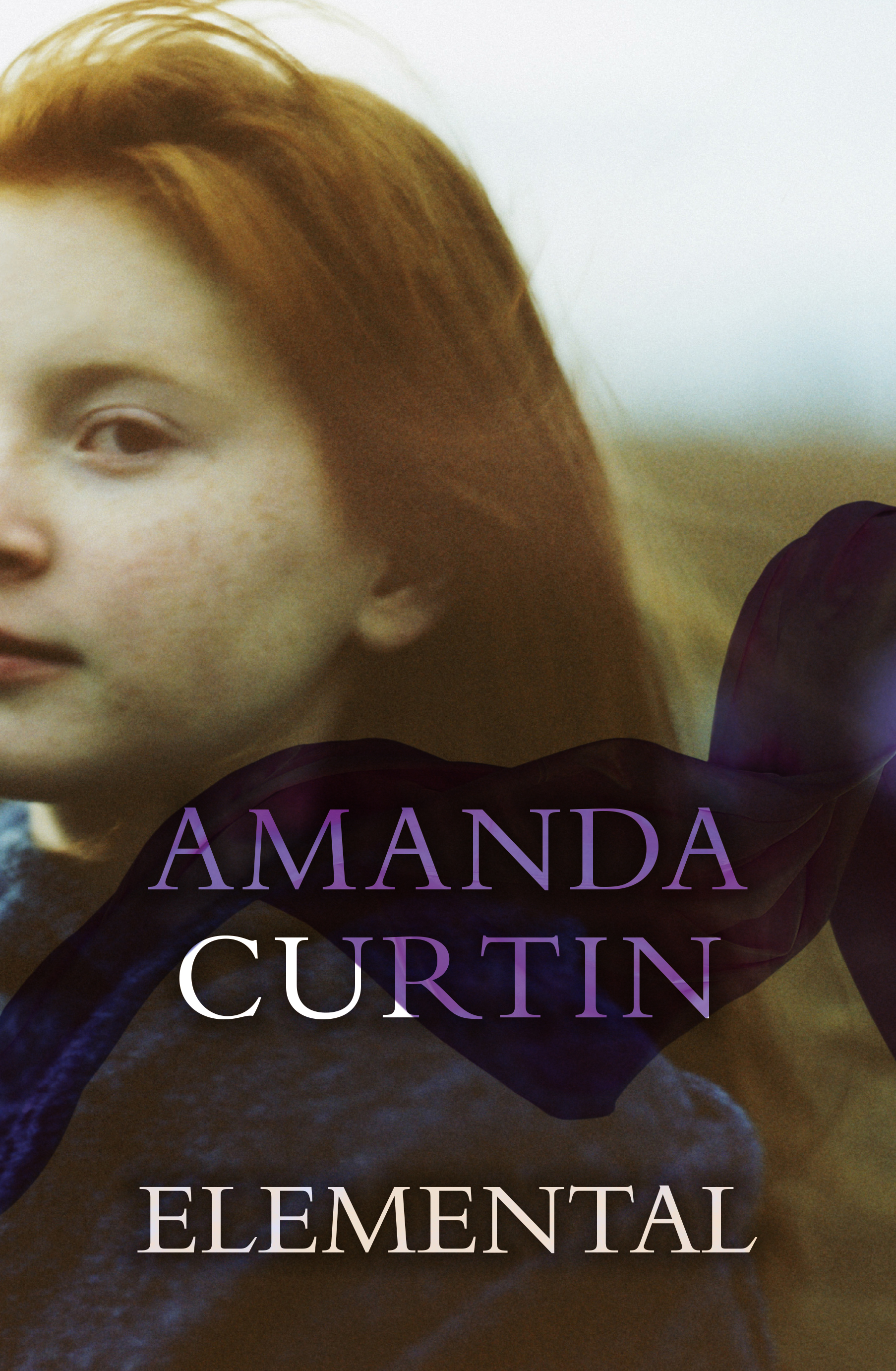
elemental_COVERI began researching Elemental in 2007, writing in 2009, and completed a first draft in 2011, although I had edited and redrafted each part several times by then. It was finally ready for submission to my publisher in 2012.

The (untitled) project I’m working on now is following a similar pattern of discovery and evolution (how’s that for a lofty definition of my messy process!). I have a scrappy looking crayon sketch that’s a lot less complicated than the one above. I have some key images. I have a head full of ideas and voices and about a hundred pages of typescript. I’m on my way.

* The words were fishermen, butterflies and consequences.

** One of them became part of the final scene.

~~~

And now over to my writer friends.

Annabel Smith: ‘I am not a plotter. I carry lots of ideas around in my head and occasionally two of these ideas collide and sparks fly; that’s when I know I’ve got the seed for a book.’—Read more here
Natasha Lester: ‘I usually find starting a book to be the hardest thing; catching the voice of the main character can be a little like scooping sand with a net. But not this time.’—Read more here

Sara Foster: ‘I usually hold a story in my head for quite a long time without making any formal attempt to write it down. During this time I’m getting to know the different characters, looking at the plot, and basically seeing if this concept is strong enough to gain a hold on me.’—Read more here
Emma Chapman: ‘The hardest thing about writing is keeping going when it seems you are at it alone, or that nothing will ever come of it.’—Read more here
Dawn Barker: ‘I tend to write initially in a linear, temporal fashion—this way I know each character’s emotional journey, but that’s not necessarily the best way to tell the story.’—Read more here
13 Comments

Filed under Elemental, Writers ask writers

A wee countdown: 7

An especially wee countdown, if you’ll pardon the pun. It’s down to basics for Meggie’s (easy) word of the day!

laavie

meaning

toilet

From Elemental:

But even if there had been a break allowed for the laavie, I would have held out still. You’d to be desperate to use the rough shelter with its panless seat open to the sea and in full view of returning boats. If your belly muscles weren’t strong when you arrived at Gremista, they were when you left.

Interior of Rustic Outhouse

Click on the links to learn about having a jamaica, being plucked like a chuckney, and jeely pieces.

5 Comments

Filed under A wee countdown

A wee countdown: 8

Today’s taste of Meggie-speak comes from the kitchen—a rare sweet treat in Scotland at the turn of the twentieth century.

DSCN3064jeely pieces

meaning

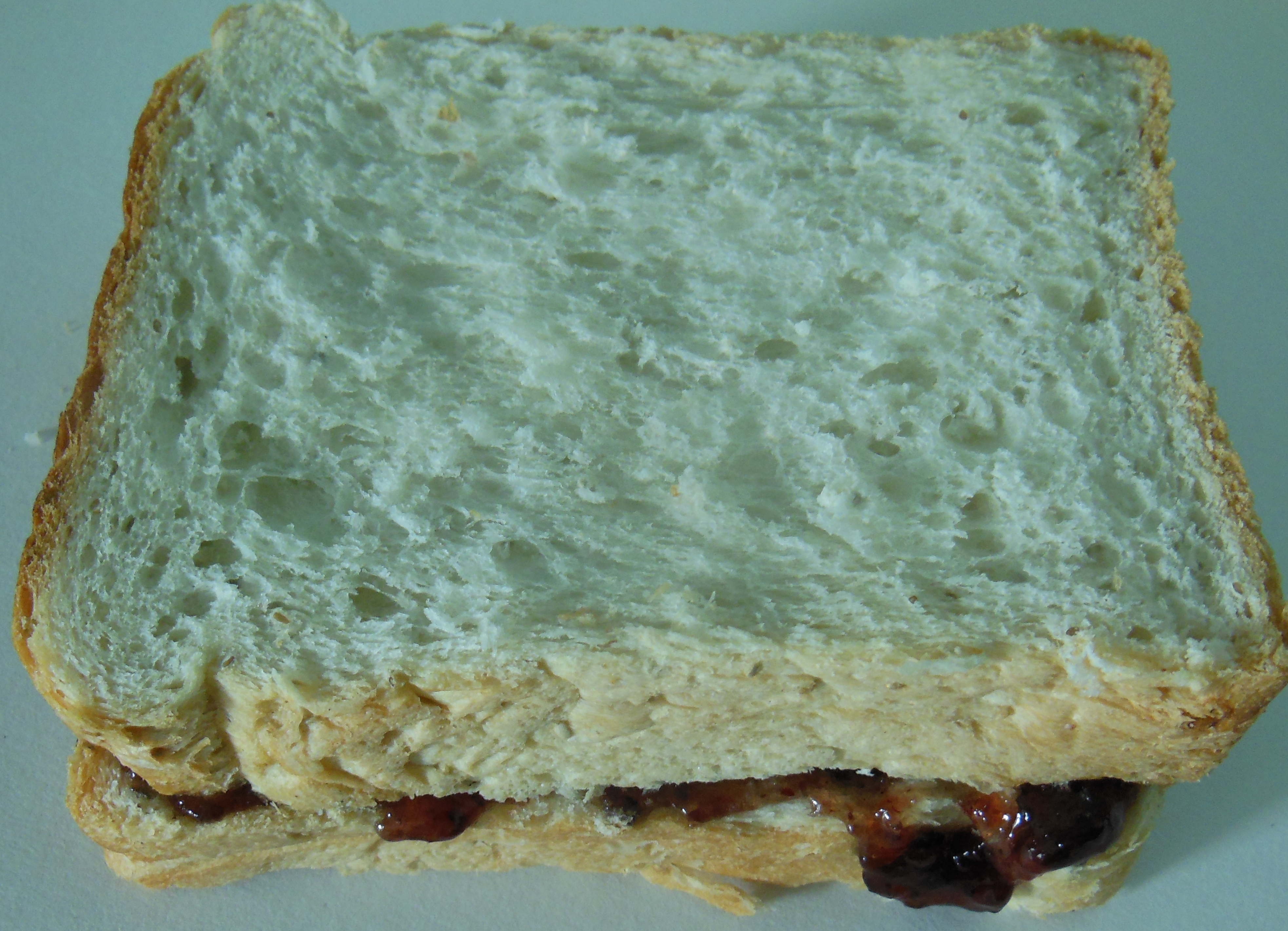
bread and jam

From Elemental:

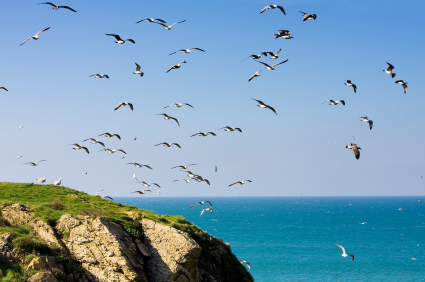
When we reach the top of the world, we sit on the grass with our jeely pieces. Clementina throws a few crumbs to a gull, and soon there are four of them waiting for the next. Rabbits dart about among the marigolds.

iStock_000009752291XSmall


And if you don’t know what it means to have a jamaica or be plucked like a chuckney, click on the links!

16 Comments

Filed under A wee countdown