Category Archives: Writing

And the year rolls on…

I can hardly believe we are already more than a month into the second half of 2024. There’s been little from me here so far this year, but much has been happening away from view.

My reading has taken a bit of a hit, but I’m beginning to get back into it. A book I’m reading at the moment is Irish poet Elaine Feeney’s first novel, As You Were (2020)—highly original and I am absolutely loving it. Her most recent novel, How to Build a Boat, was longlisted for last year’s Booker Prize. Has anyone read that one?

Other reading highlights so far: Anne Michaels’ Held, Claire Keegan’s So Late in the Day, Michael Cunningham’s Day, Rebecca Higgie’s The History of Mischief and Jessica Zhan Mei Yu’s But the Girl. And of course, Katrina Kell’s Chloe, which I featured in my ‘Talking (new) fiction’ series: Q&A here.

Recently I had the pleasure of being chosen to participate in the International Lamplight Online Residency: Ireland, run (via Zoom) by Varuna here and the Irish Writers Centre in Dublin—a wonderful opportunity, given that my work in progress has one foot in Ireland and the other in Australia. Among the many creative and professional development joys of the residency has been the long list of titles I’ve compiled along the way, and I’m so looking forward to reading: novels by the seven other (Irish and Australian) participants, as well as others recommended in our various sessions. Wholehearted thanks to Varuna and the Irish Writers Centre for devising this excellent online program and for welcoming me into it.

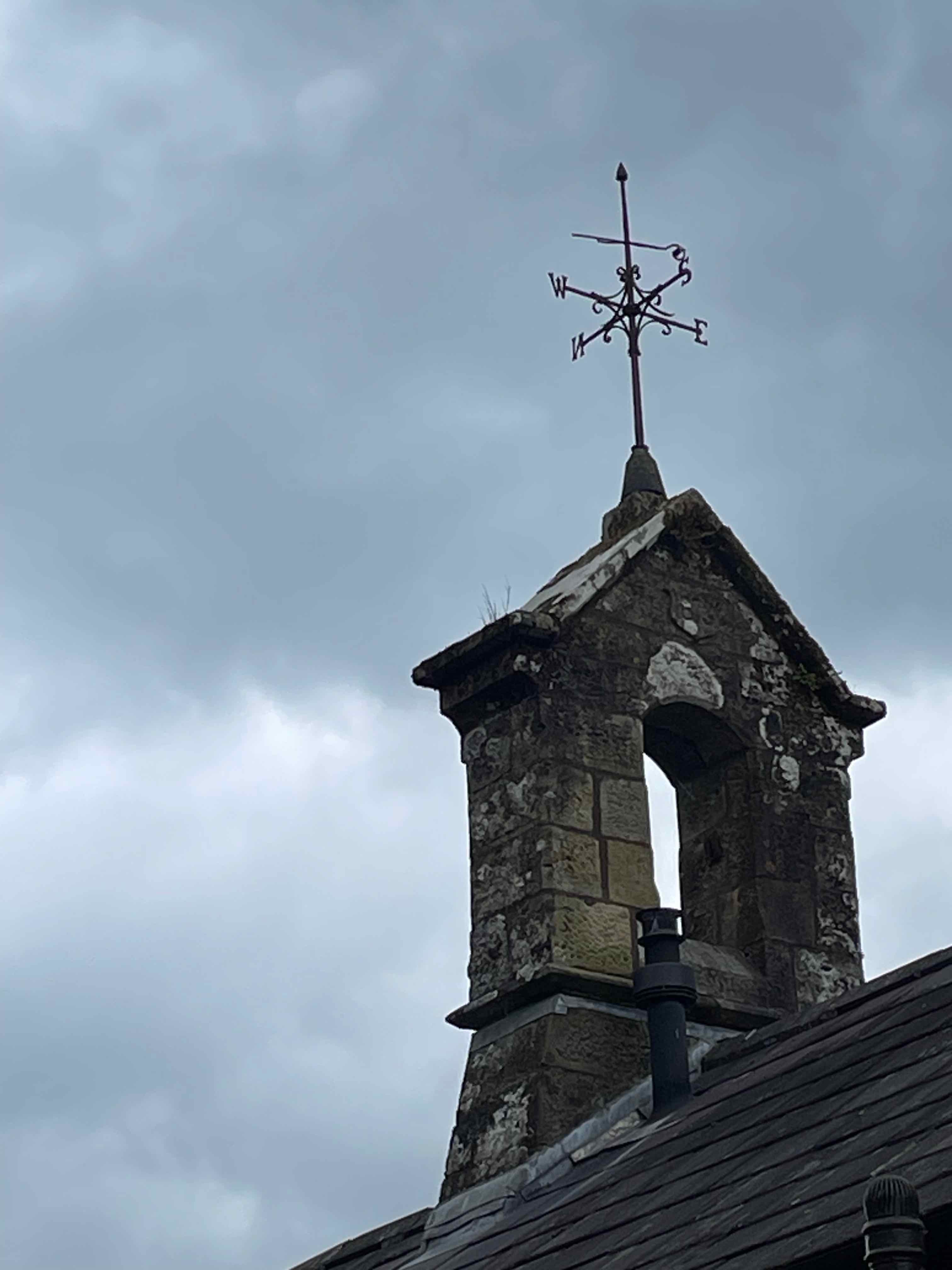
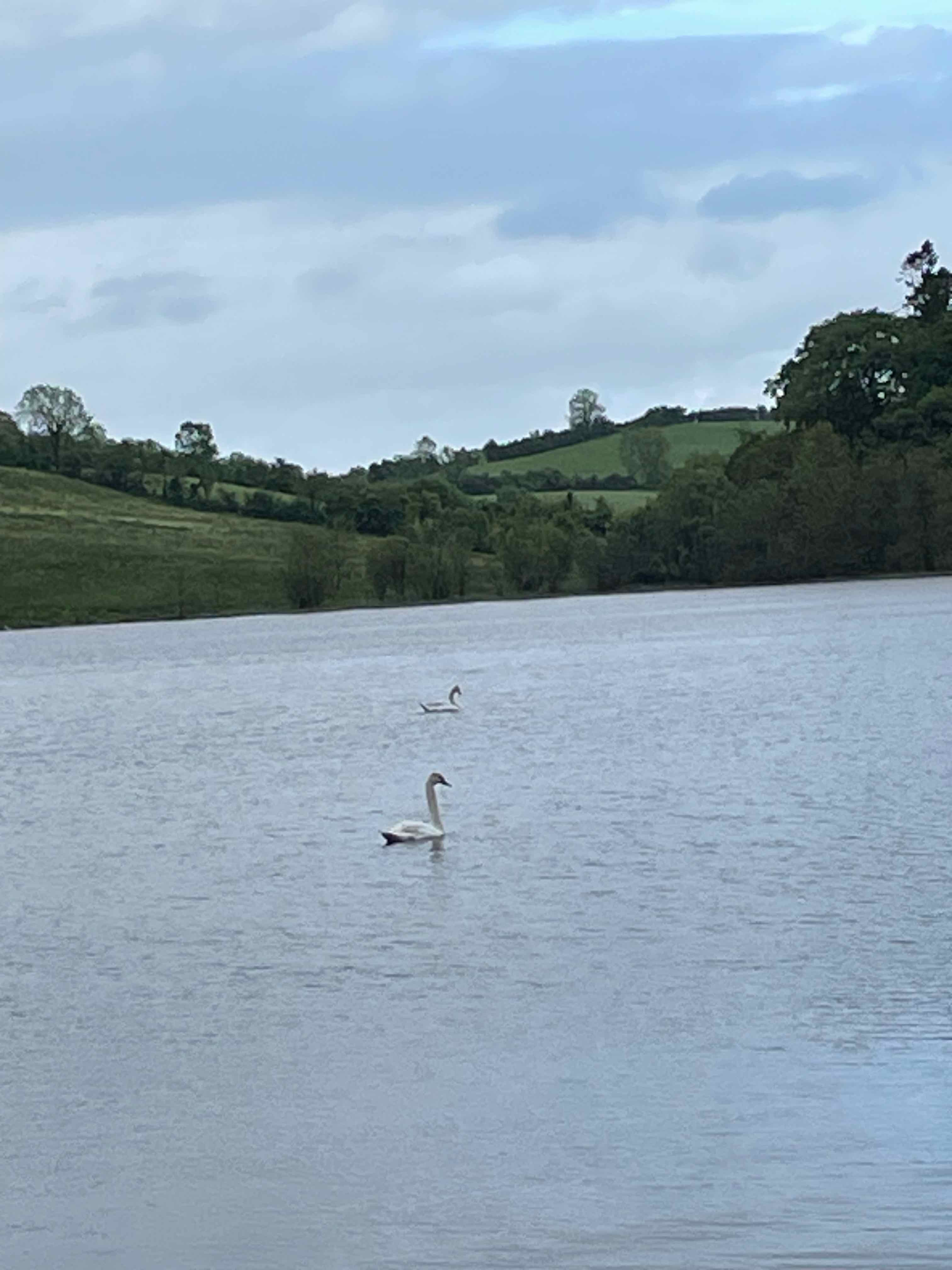
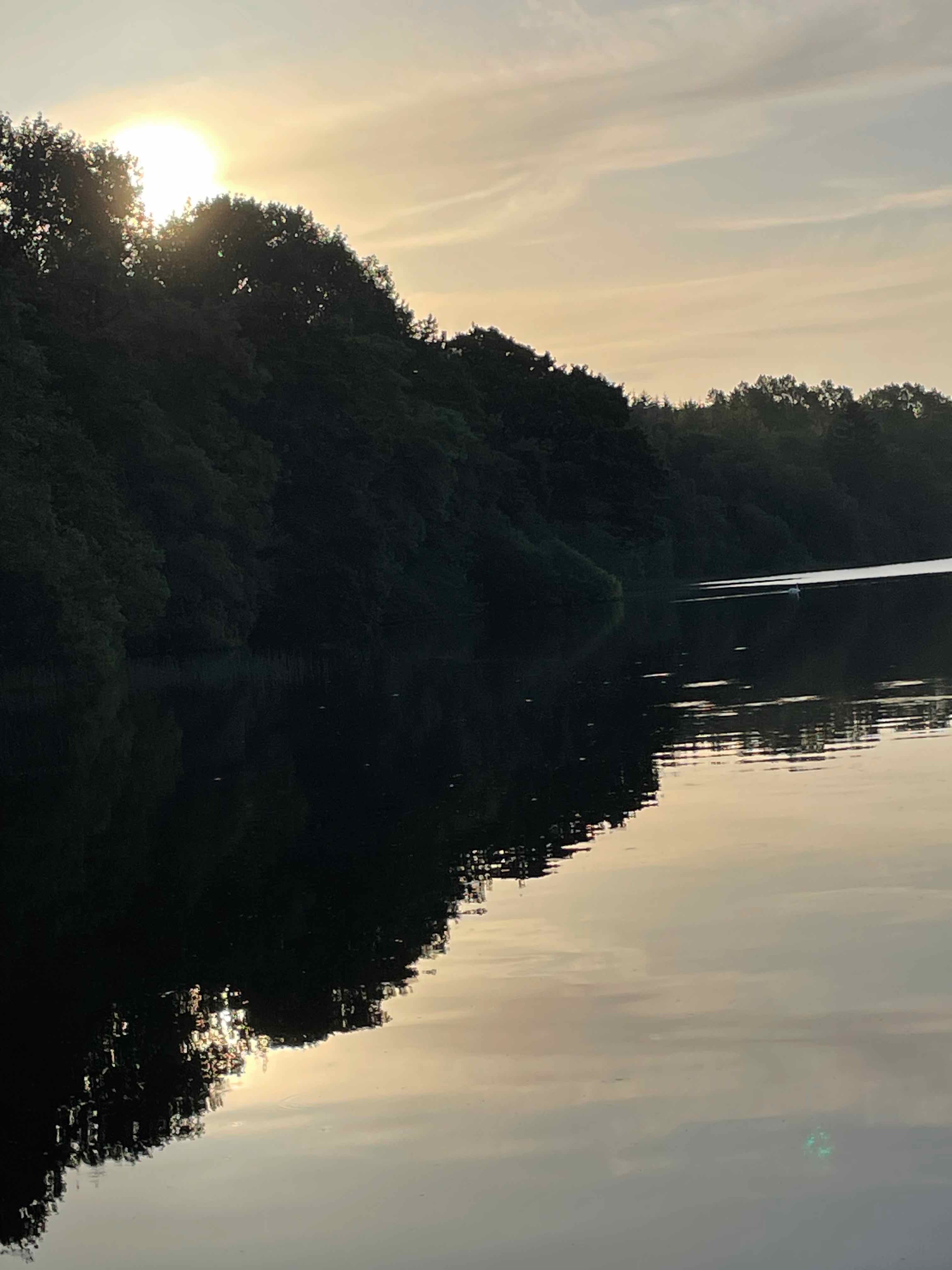
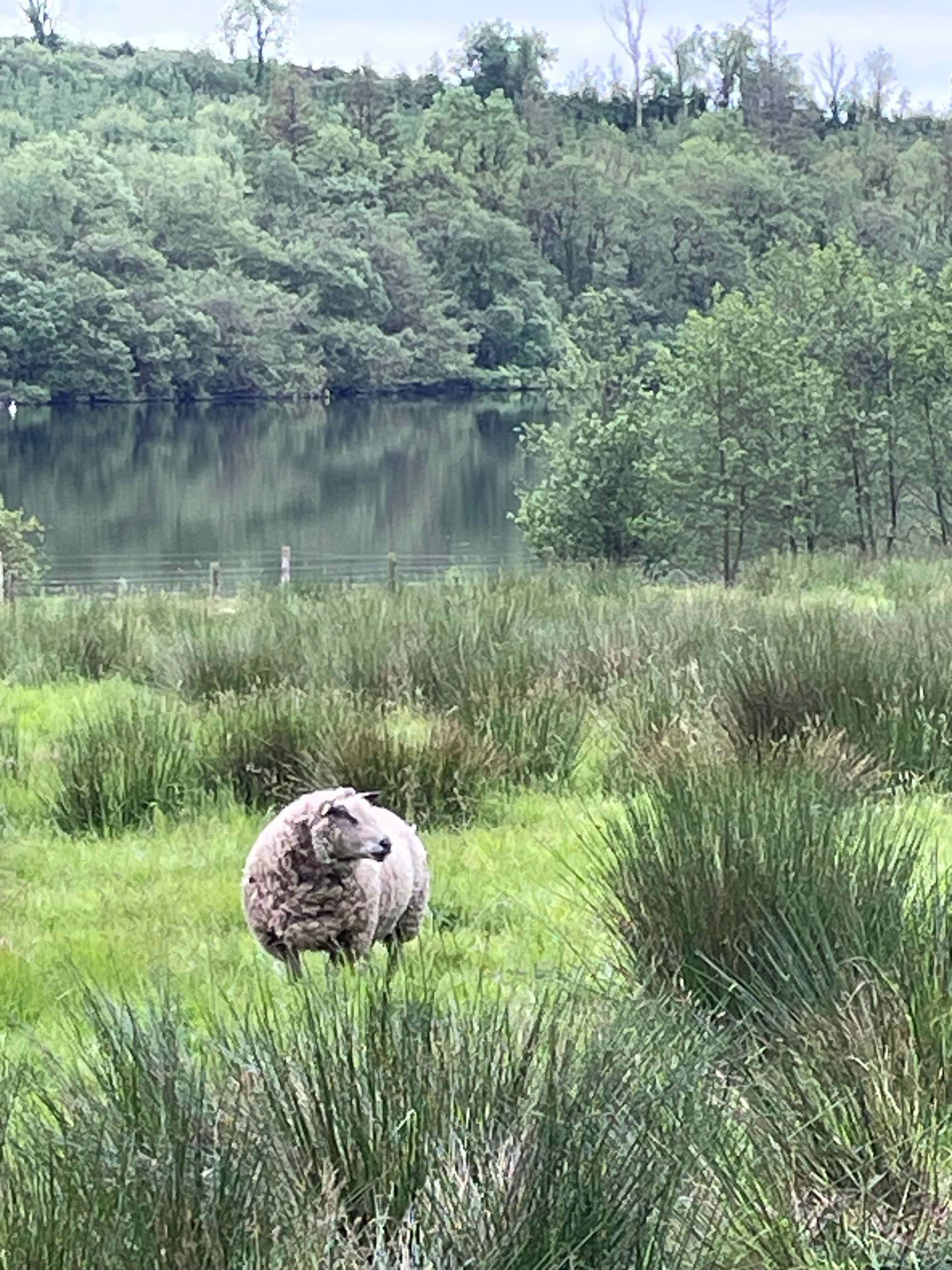
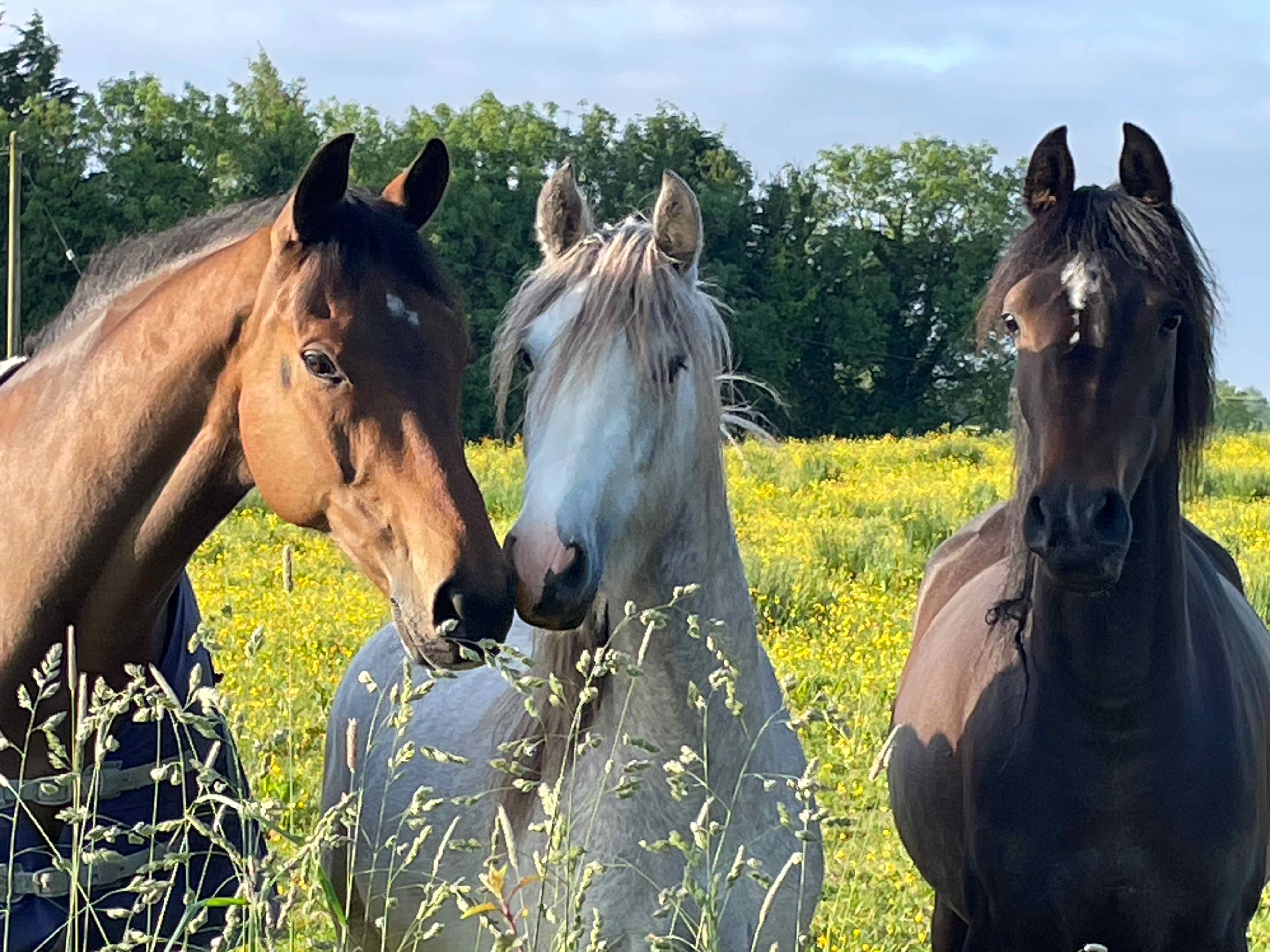
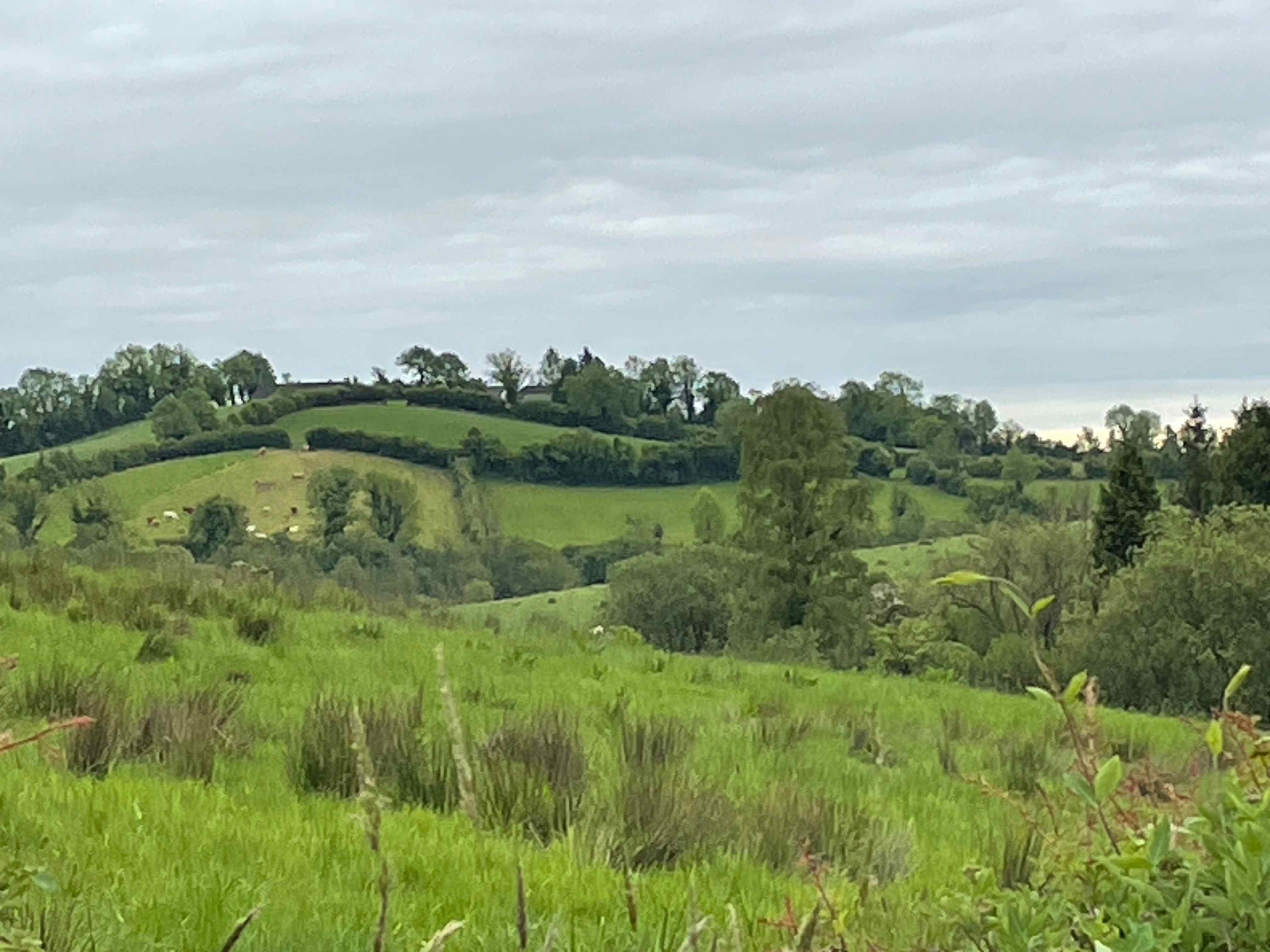
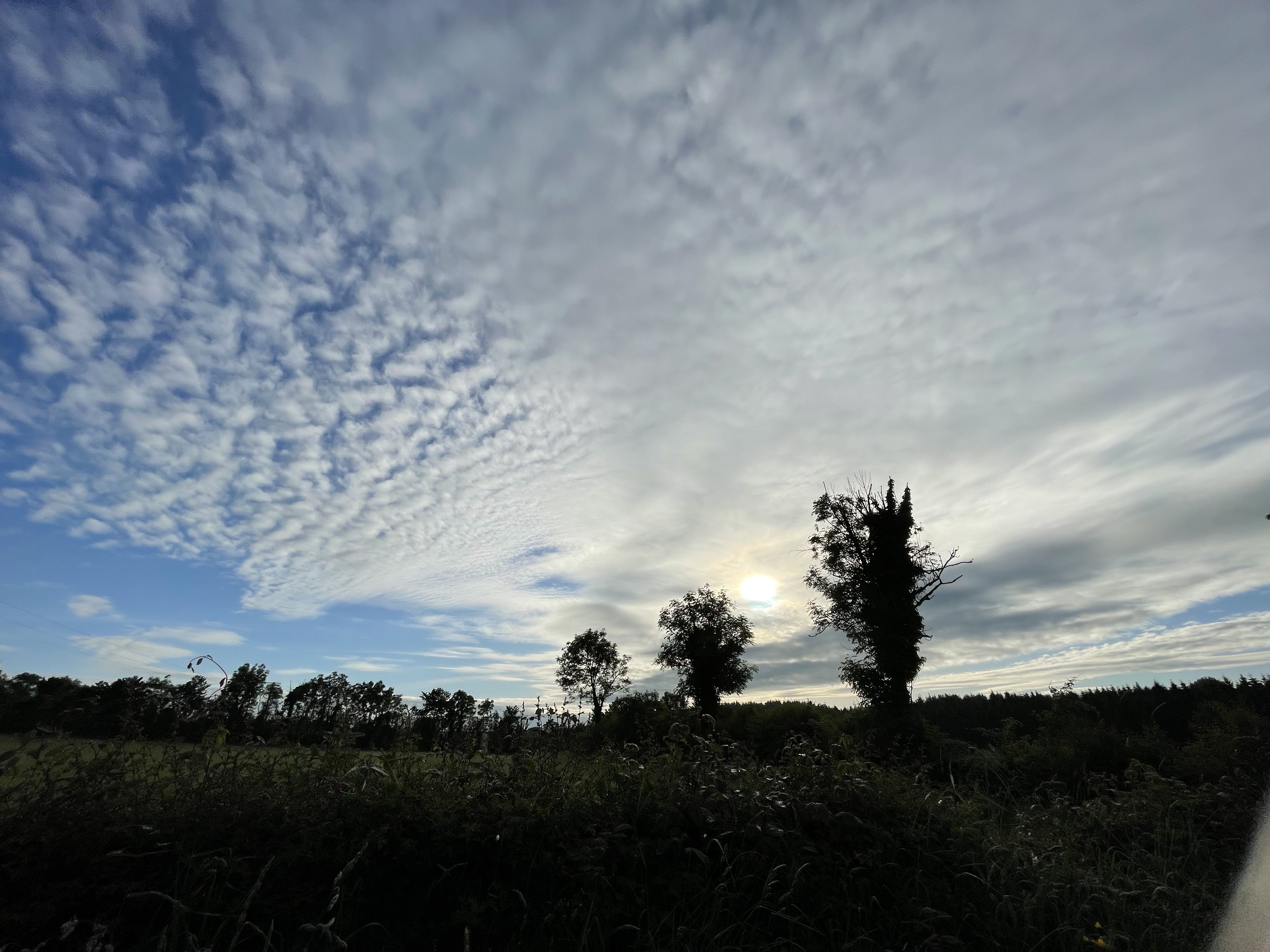
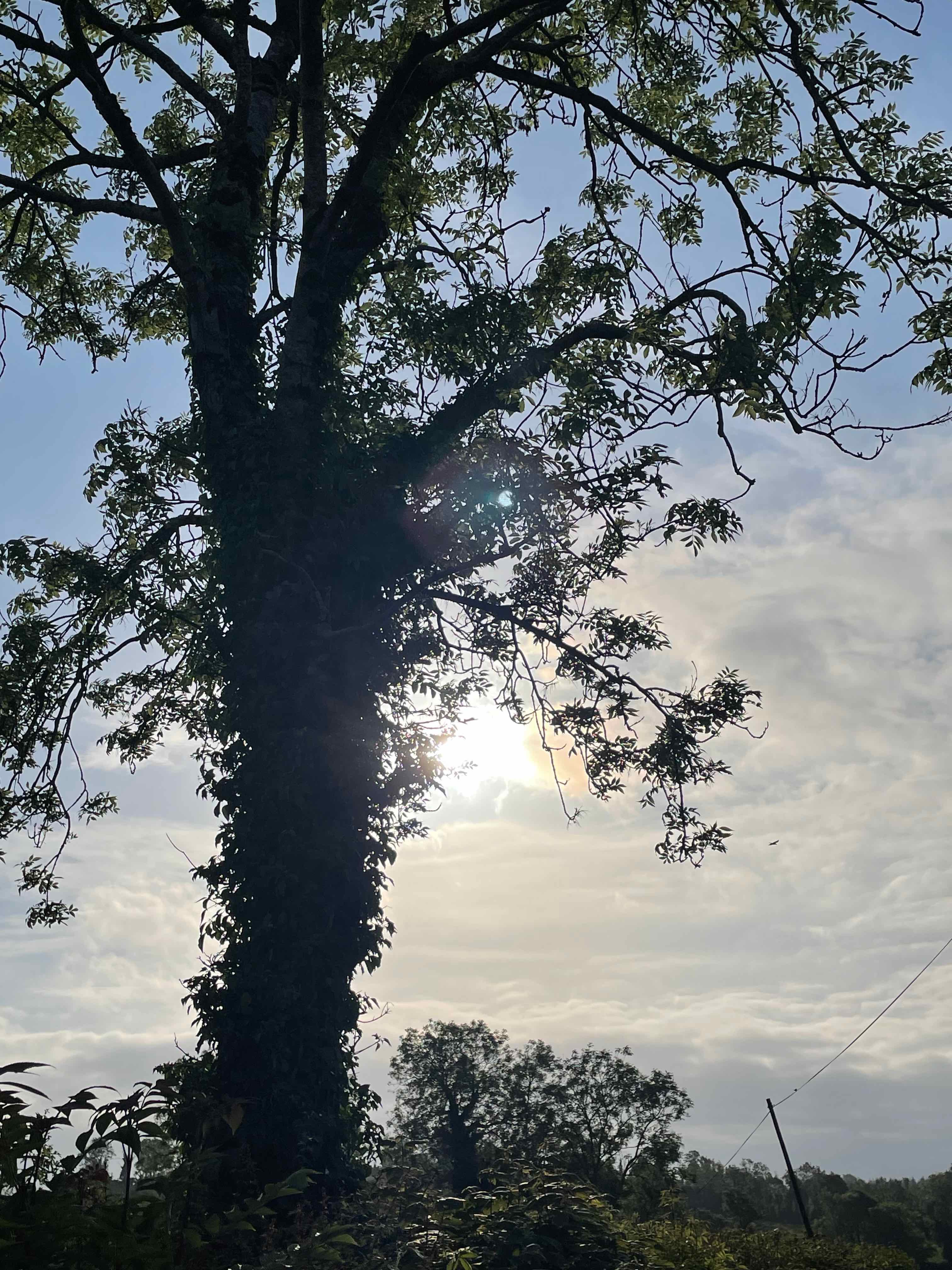
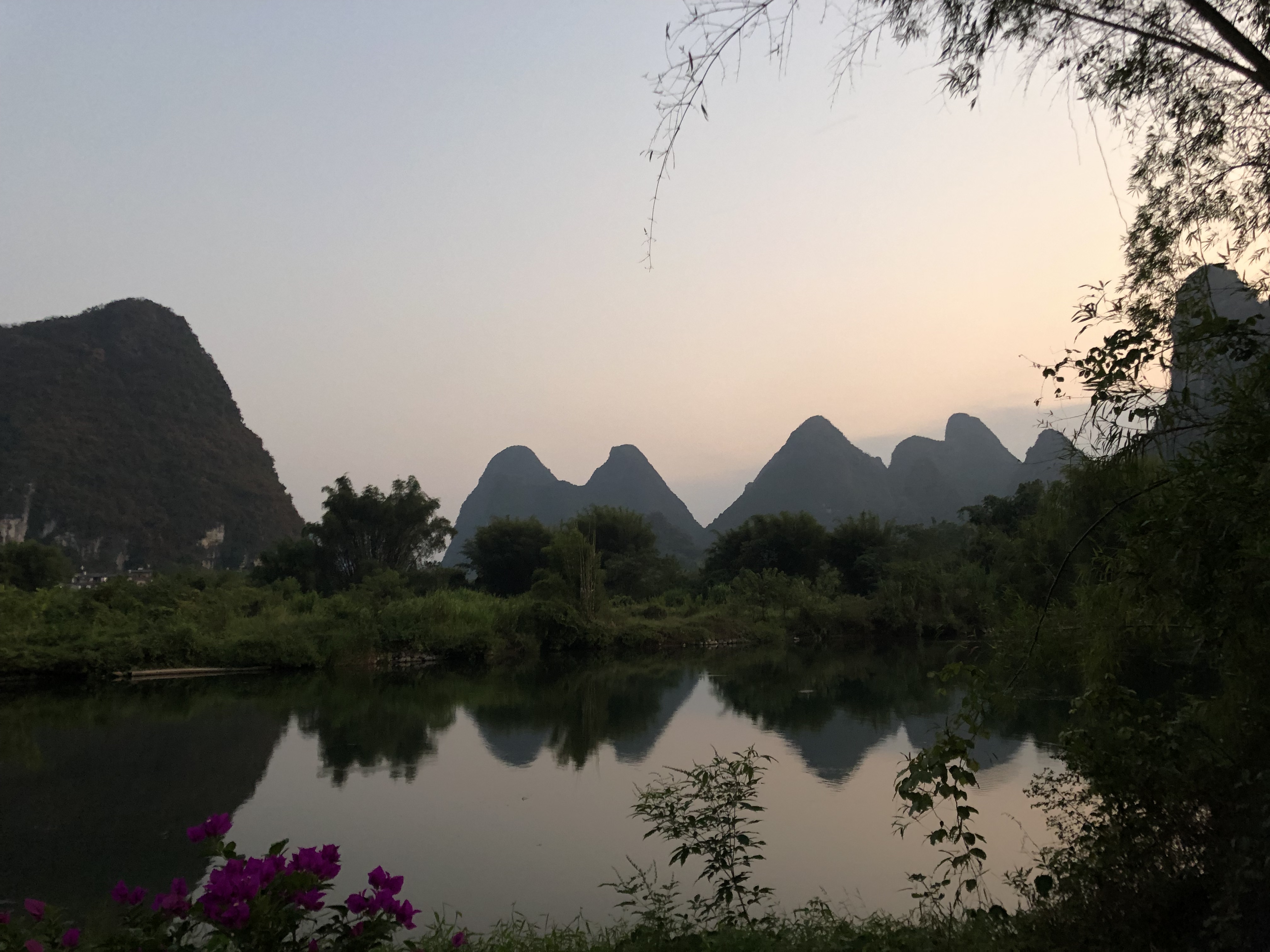
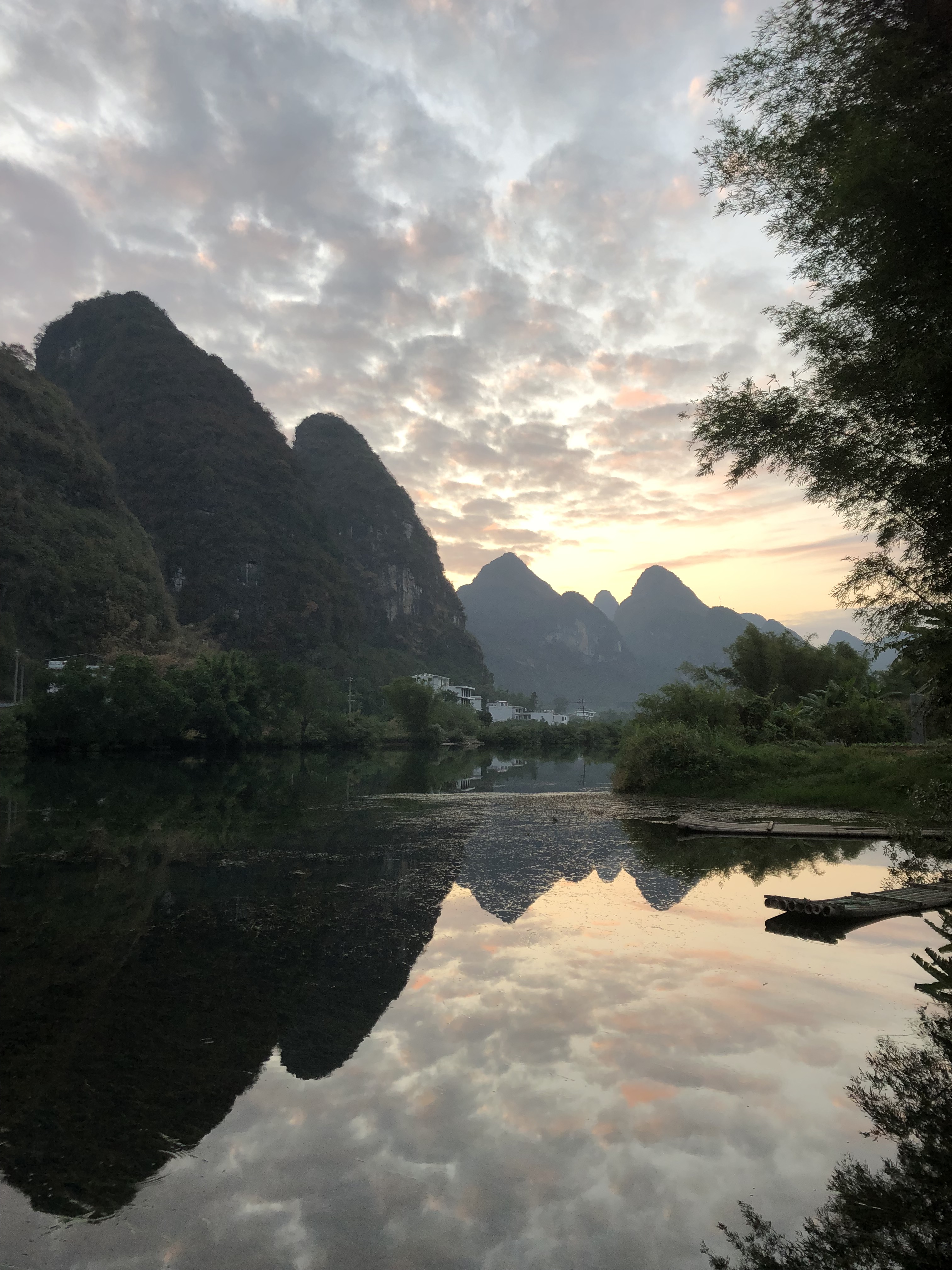
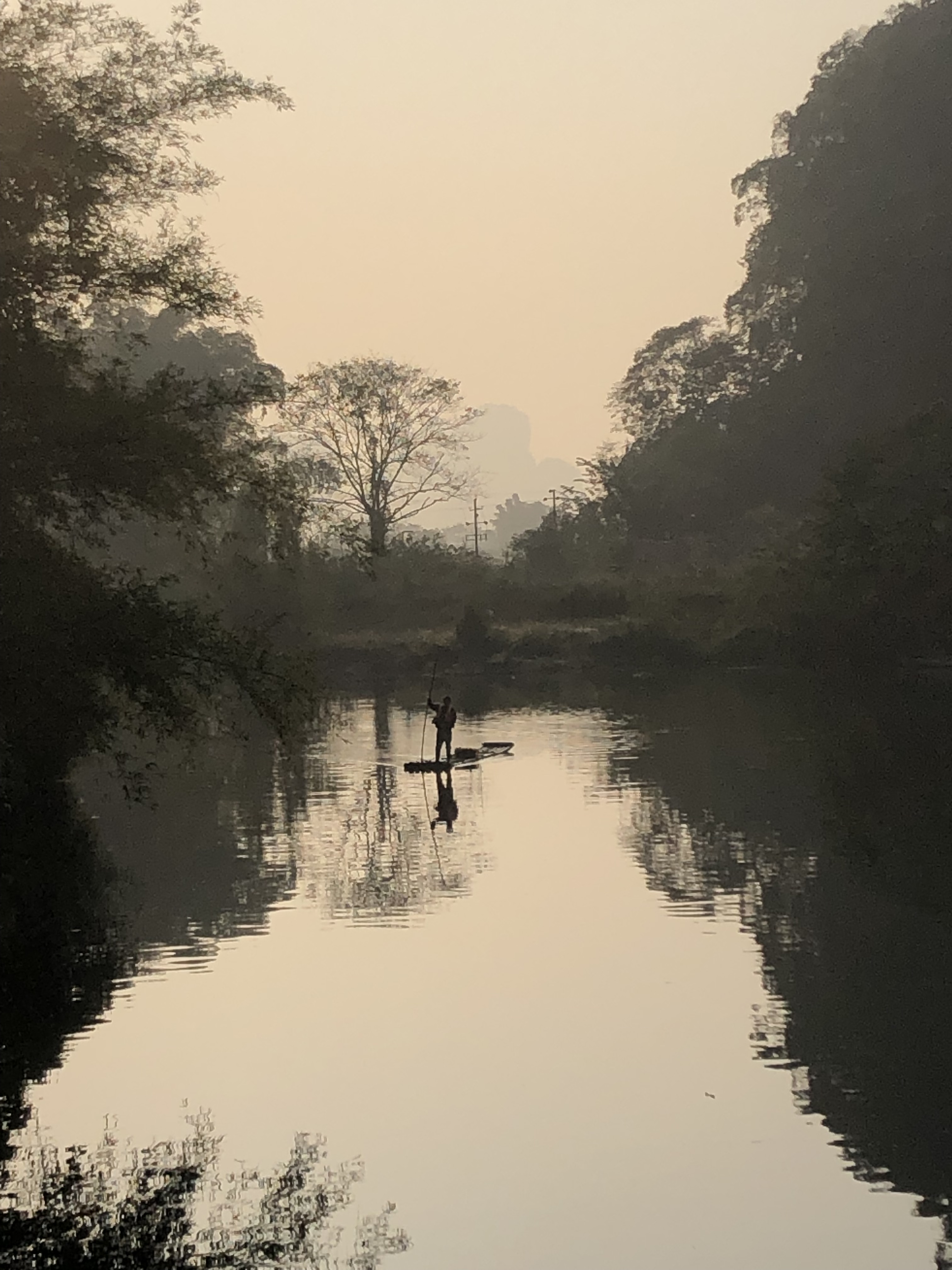
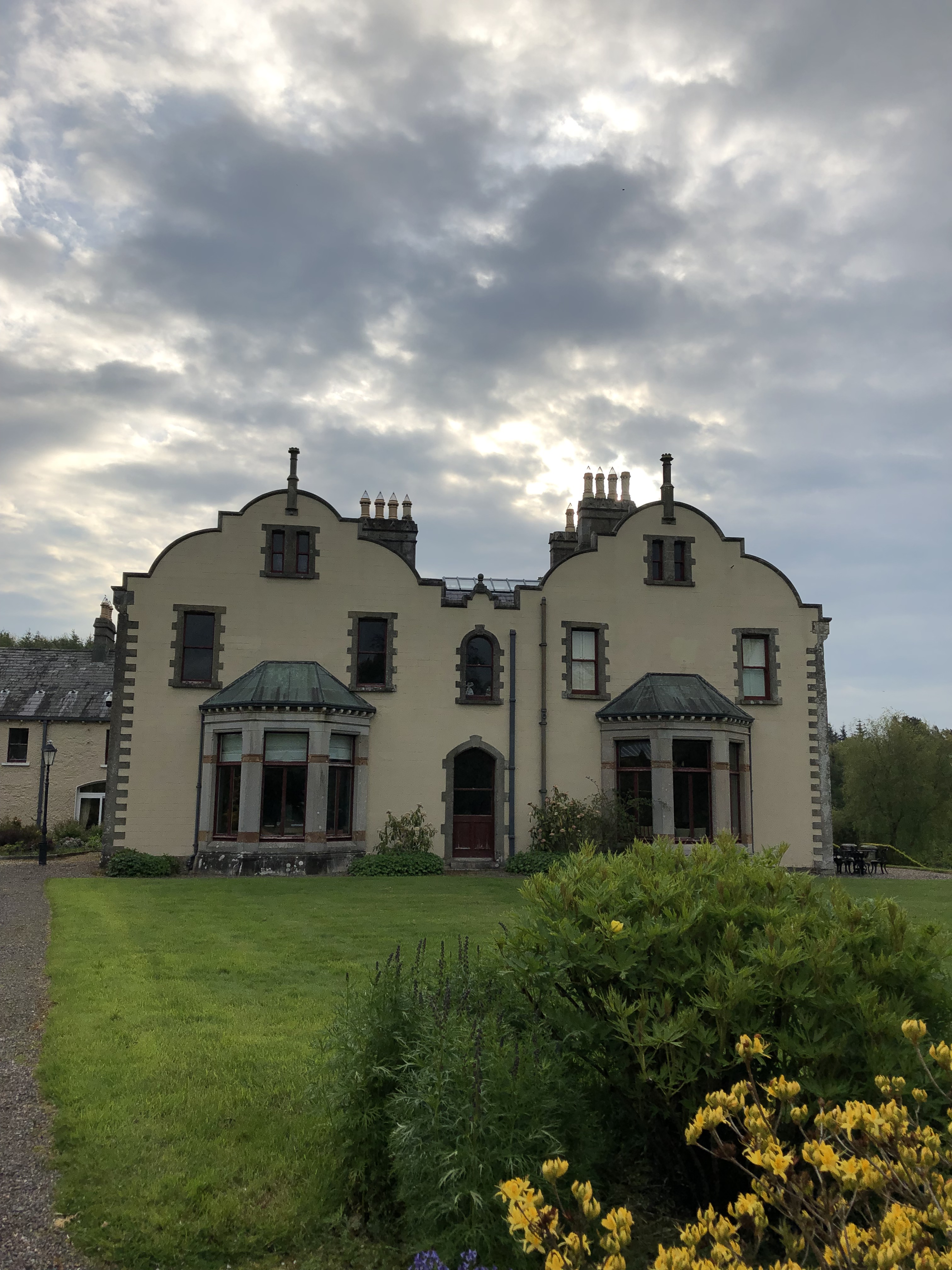
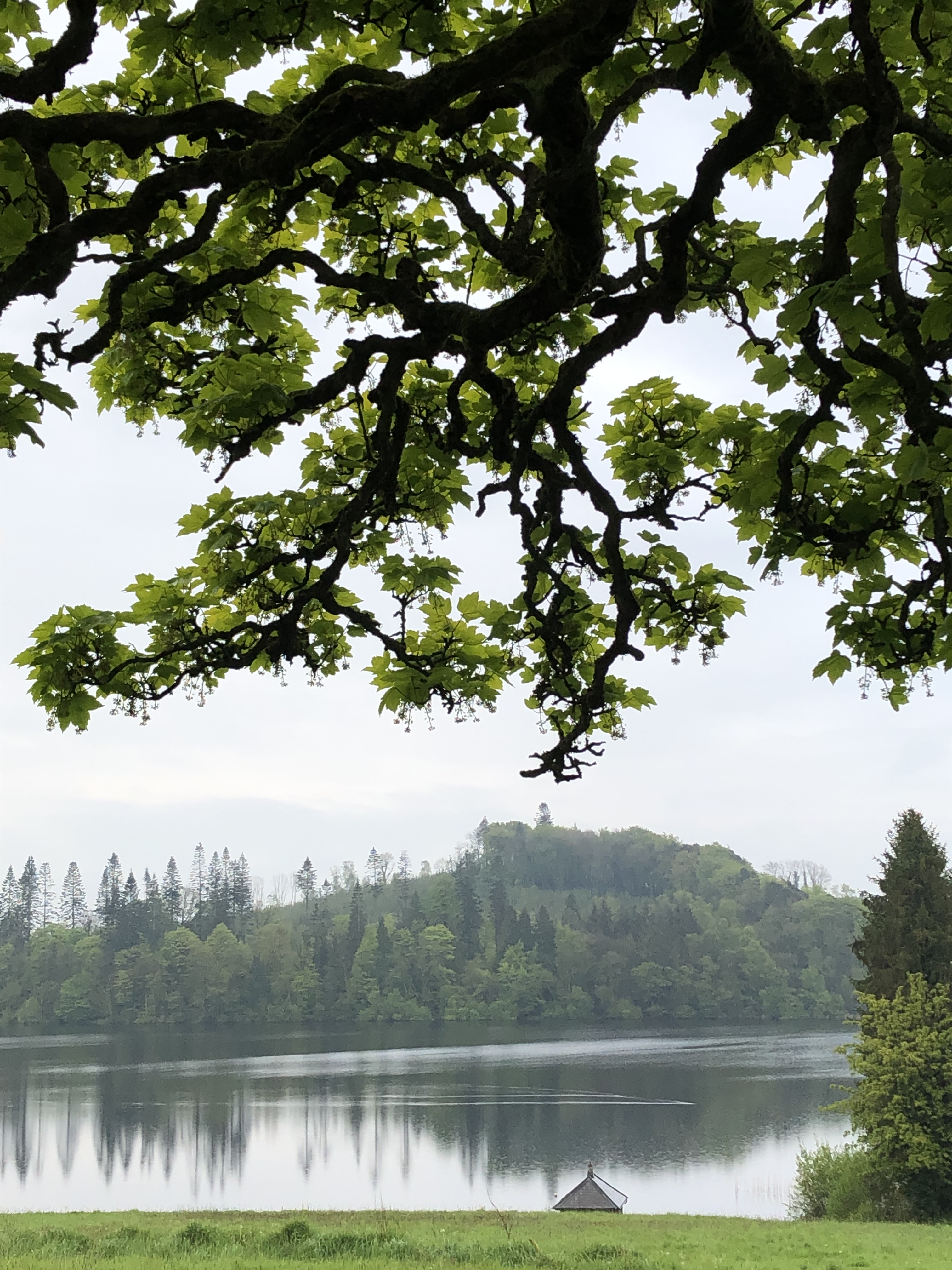
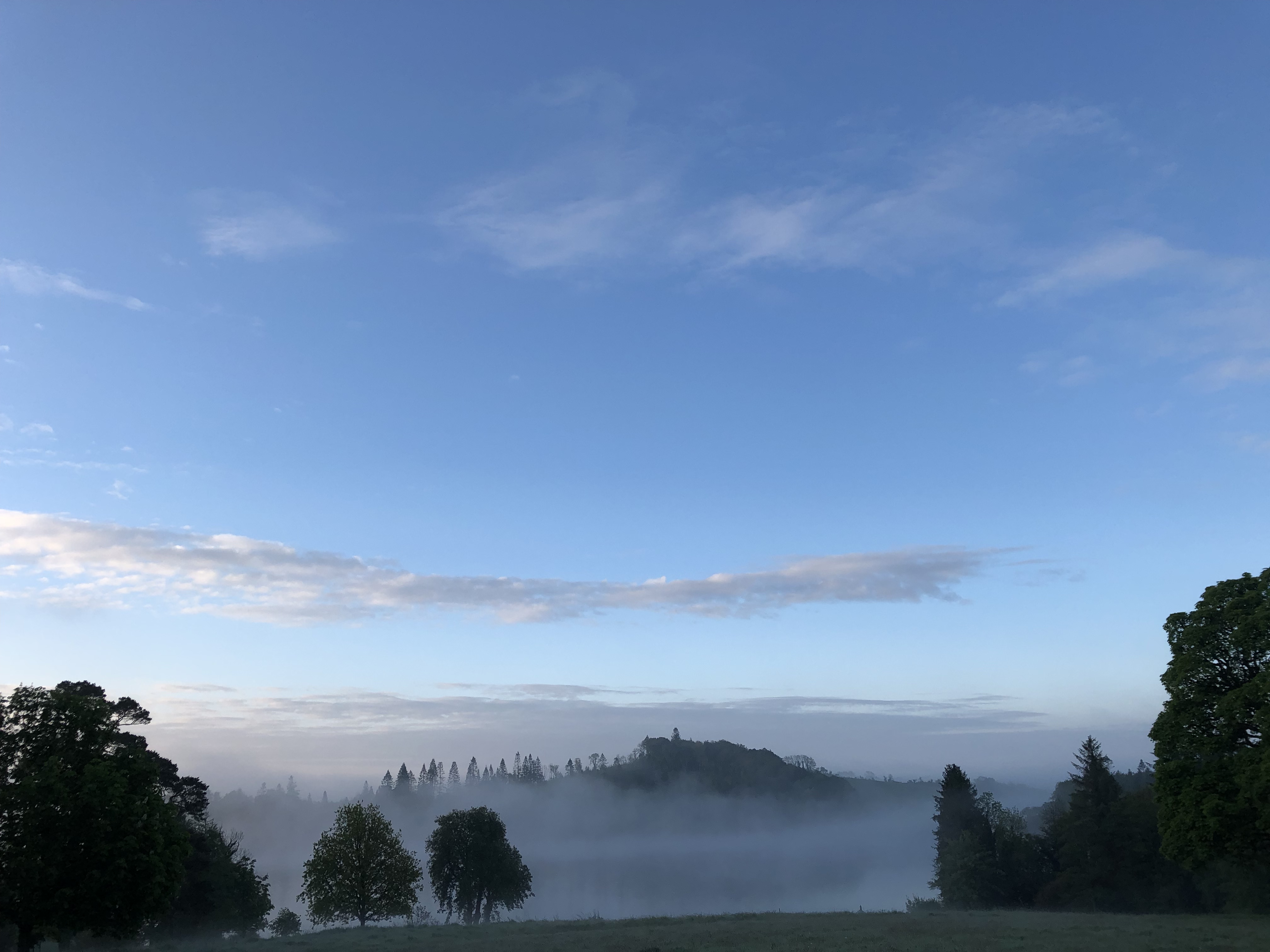
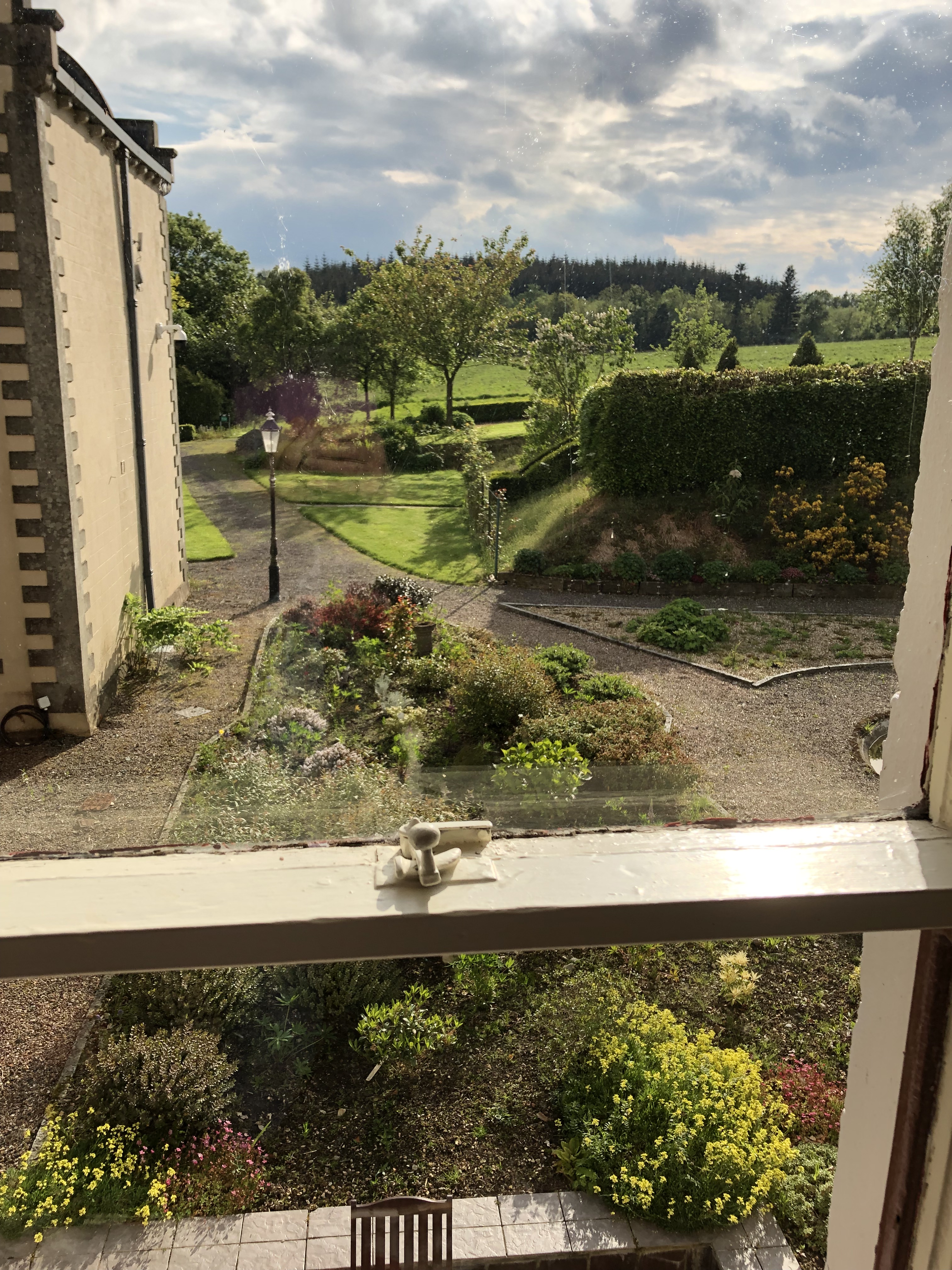
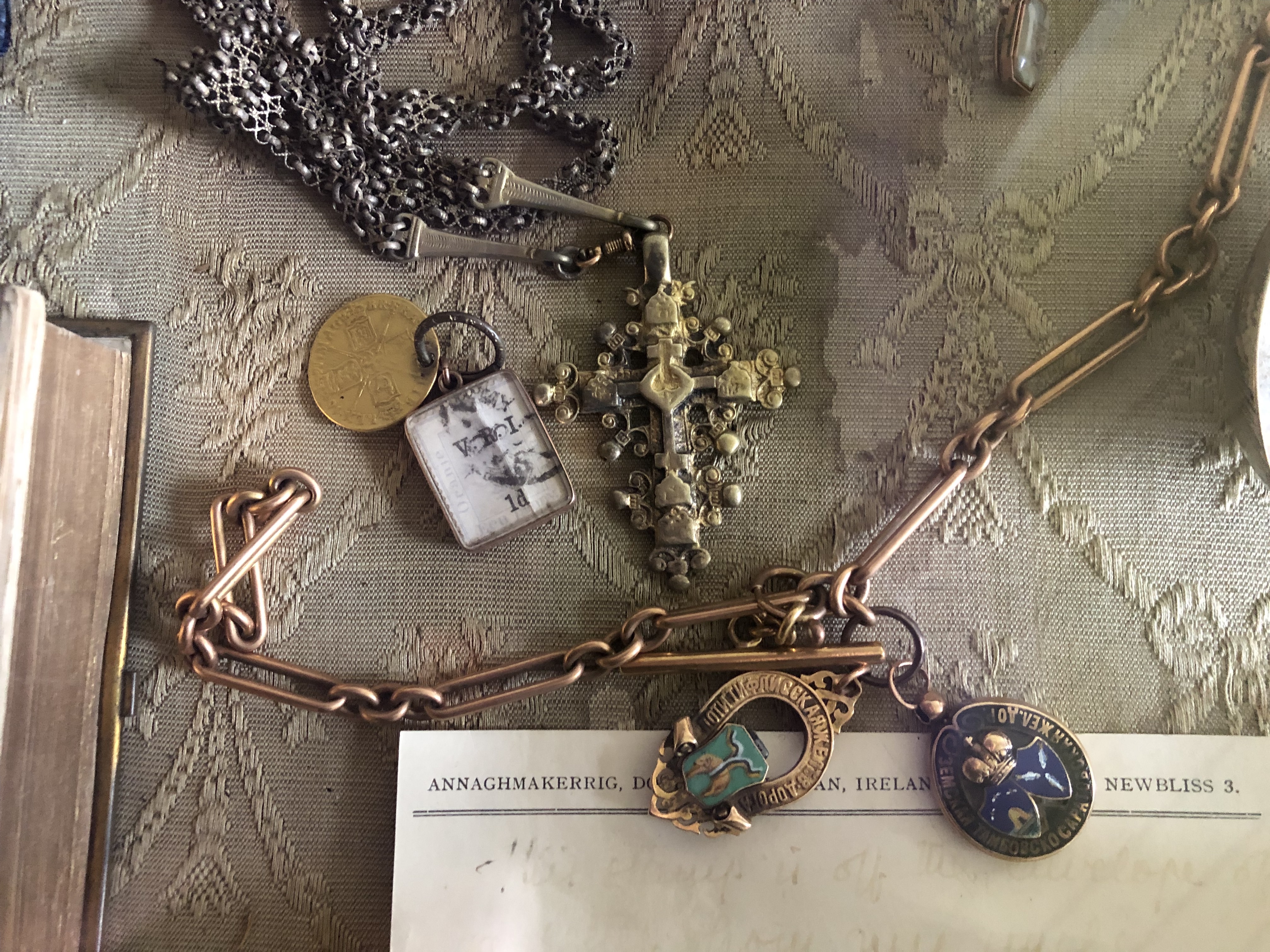
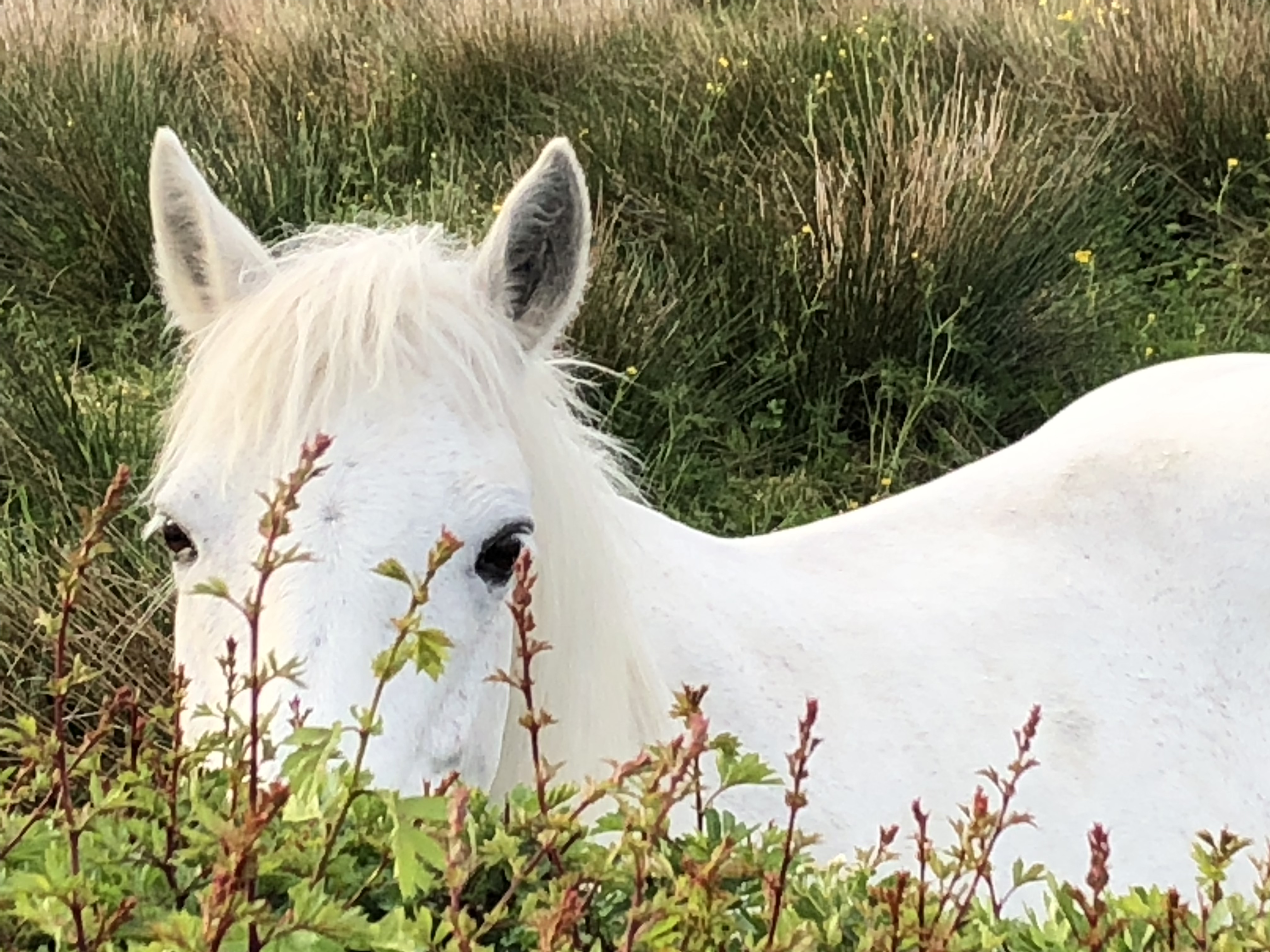
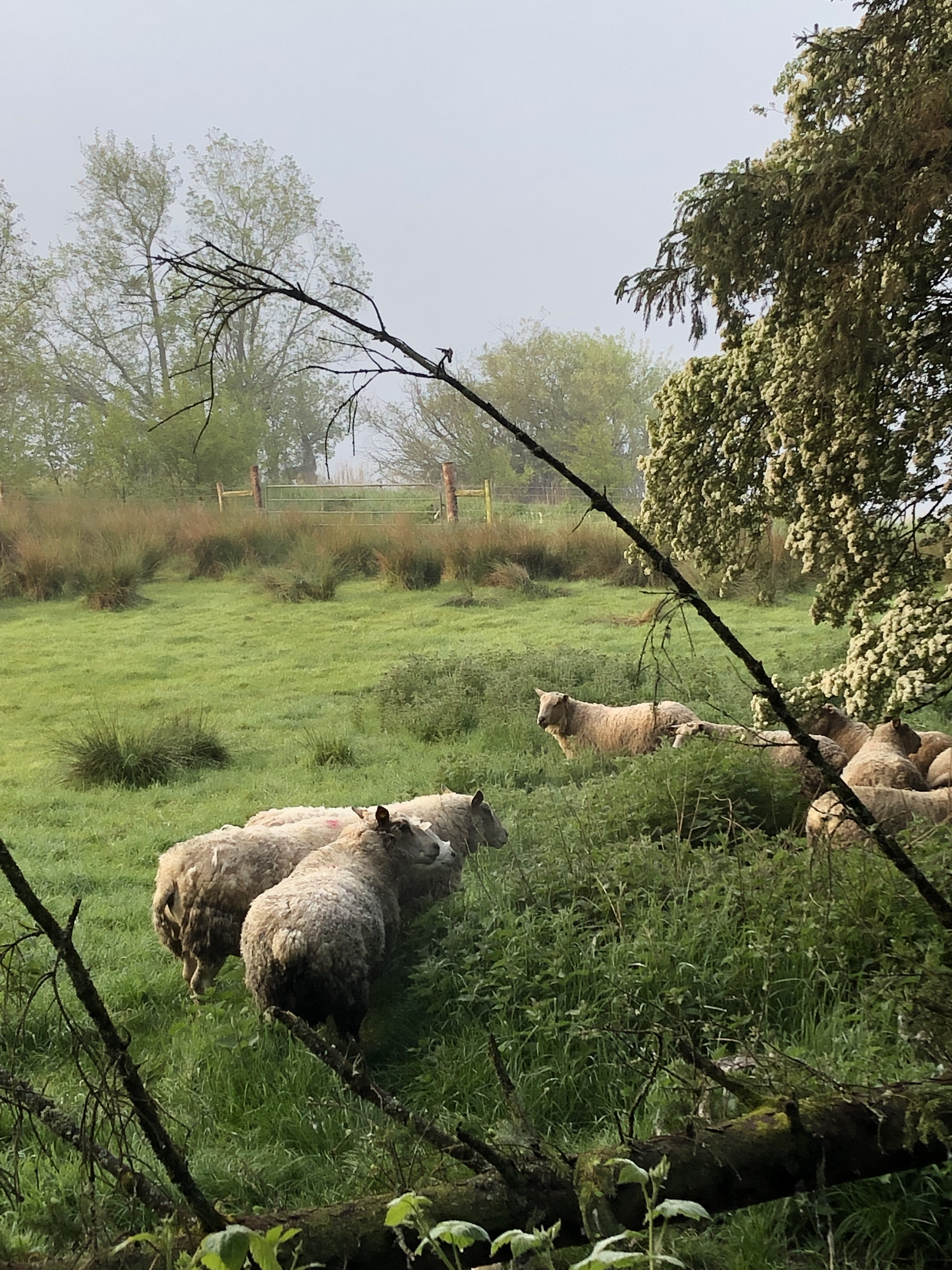
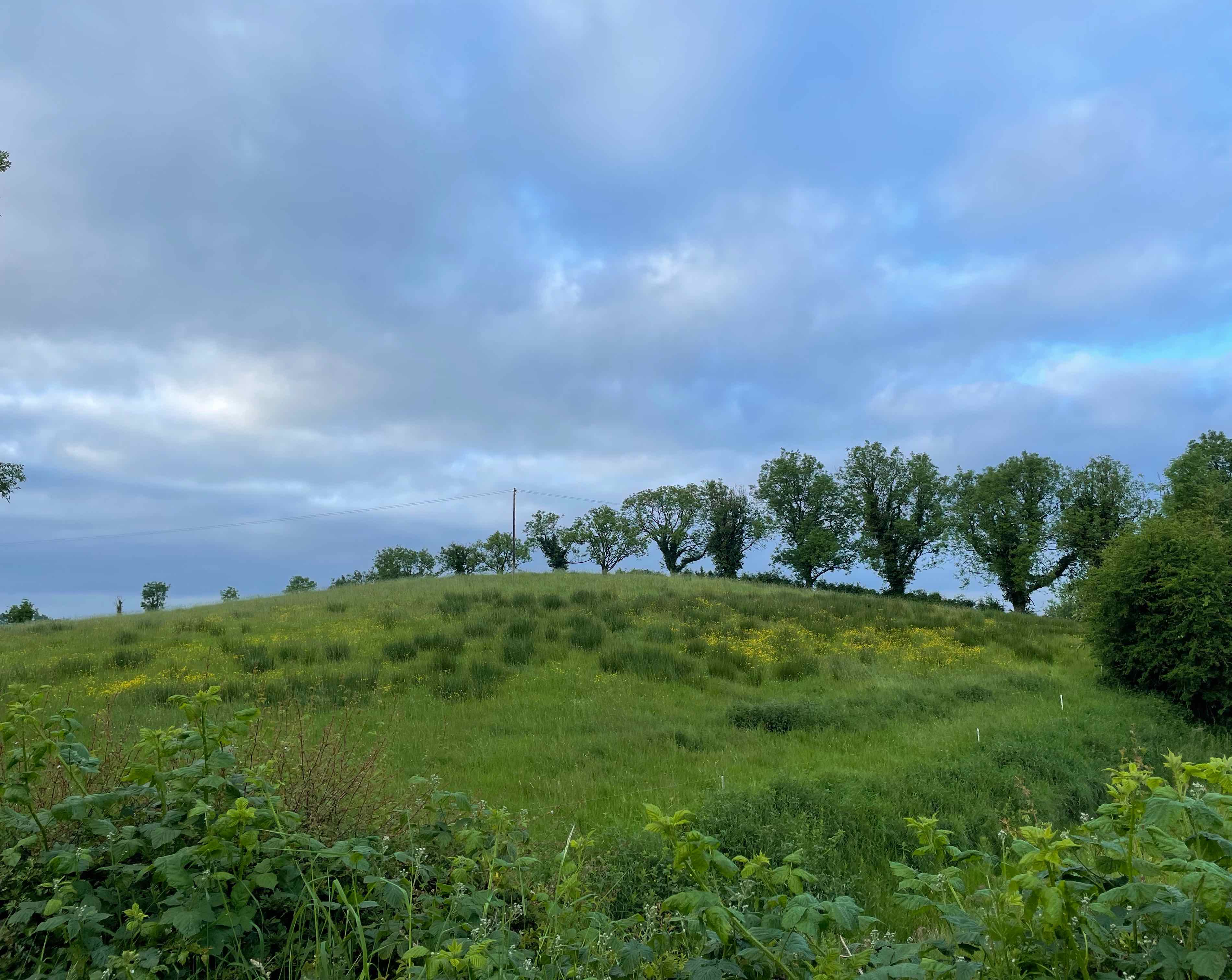
I also recently travelled to Ireland (really, the traditional way, by plane!) for research and a highly productive, many-times-delayed residency at the Tyrone Guthrie Centre—often called Annaghmakerrig, the original name of the house and also the name of the lake it sits beside. There are so many things I love about this place, not least the fact that it is a multi-arts residency, and the many brilliant arts practitioners I’ve met over the four times I’ve been there have included painters, sculptors and other visual artists, dancers, musicians and theatre directors, along with poets, novelists, playwrights and translators. See below for some of my photo highlights of Annaghmakerrig and its surrounds, and the drumlins of County Monaghan.

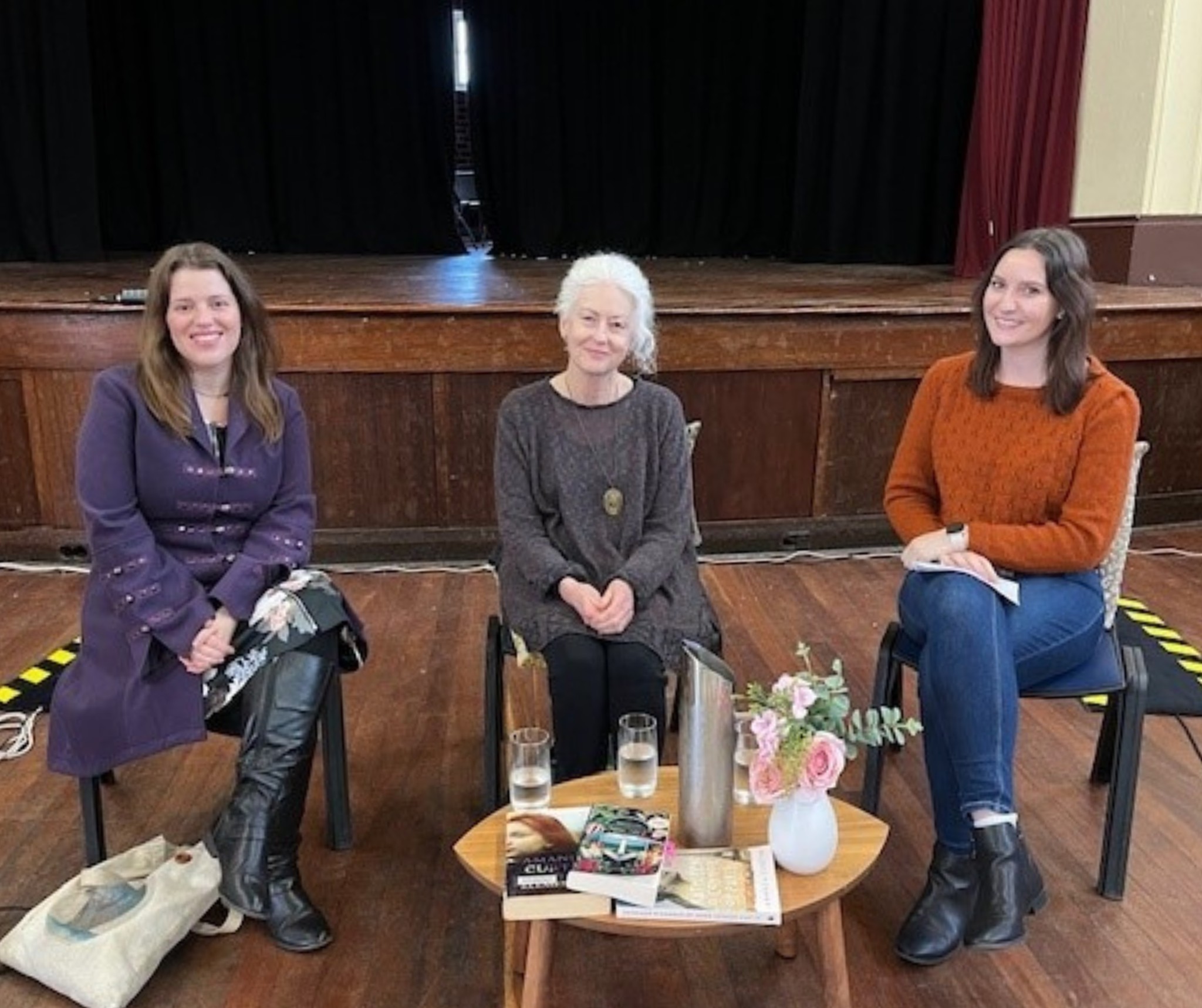
Events during the year so far have included talks on Kathleen O’Connor of Paris for the WA Society of Artists and the Perth Women in Petroleum book club—two organisations that have been in existence for years measured in decades. And I loved being part of a panel event on ‘Story and Place’ for Love to Read Local Week at Guildford Library, with fellow writer Rebecca Higgie and chair Bianca Breen.
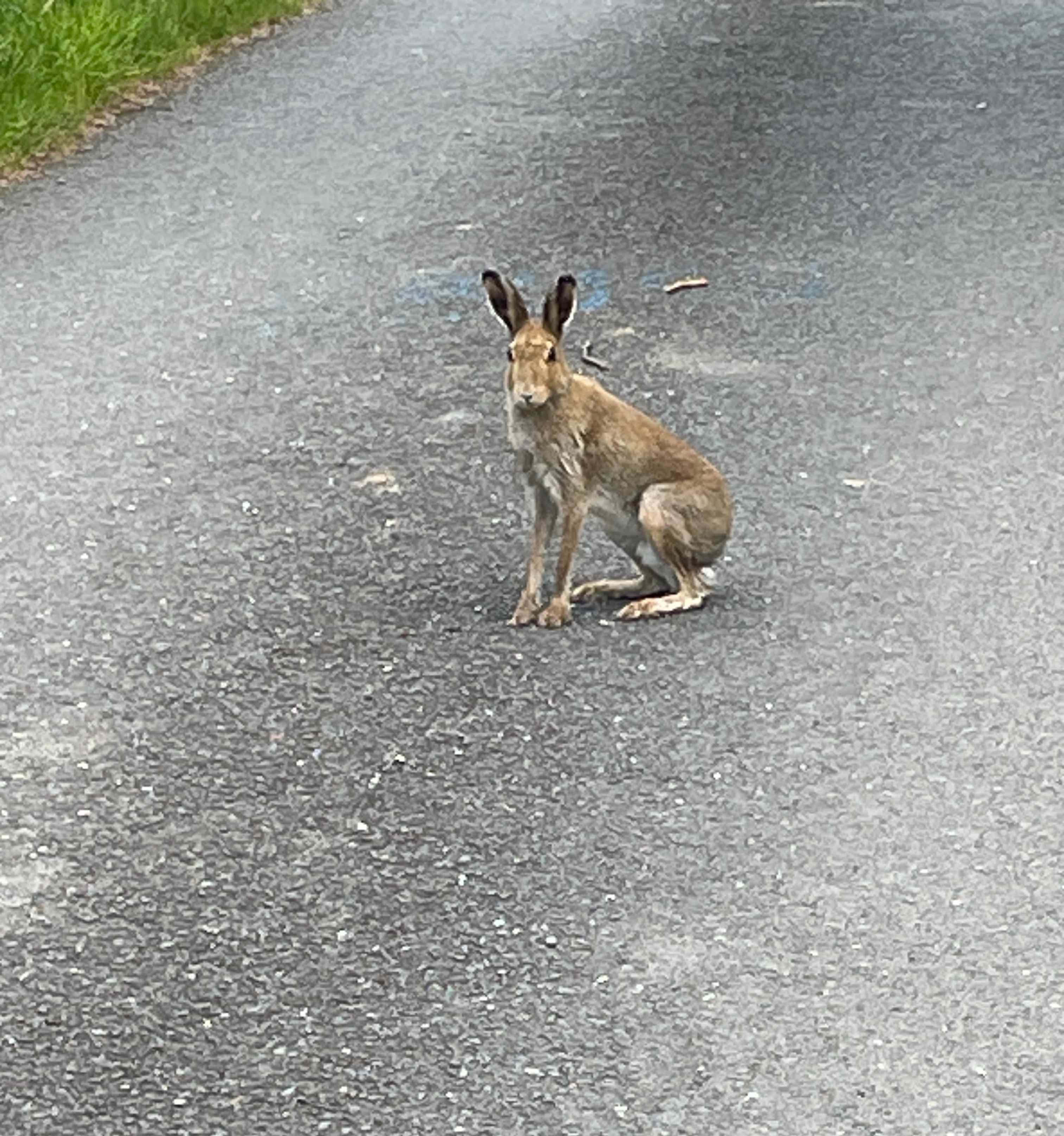
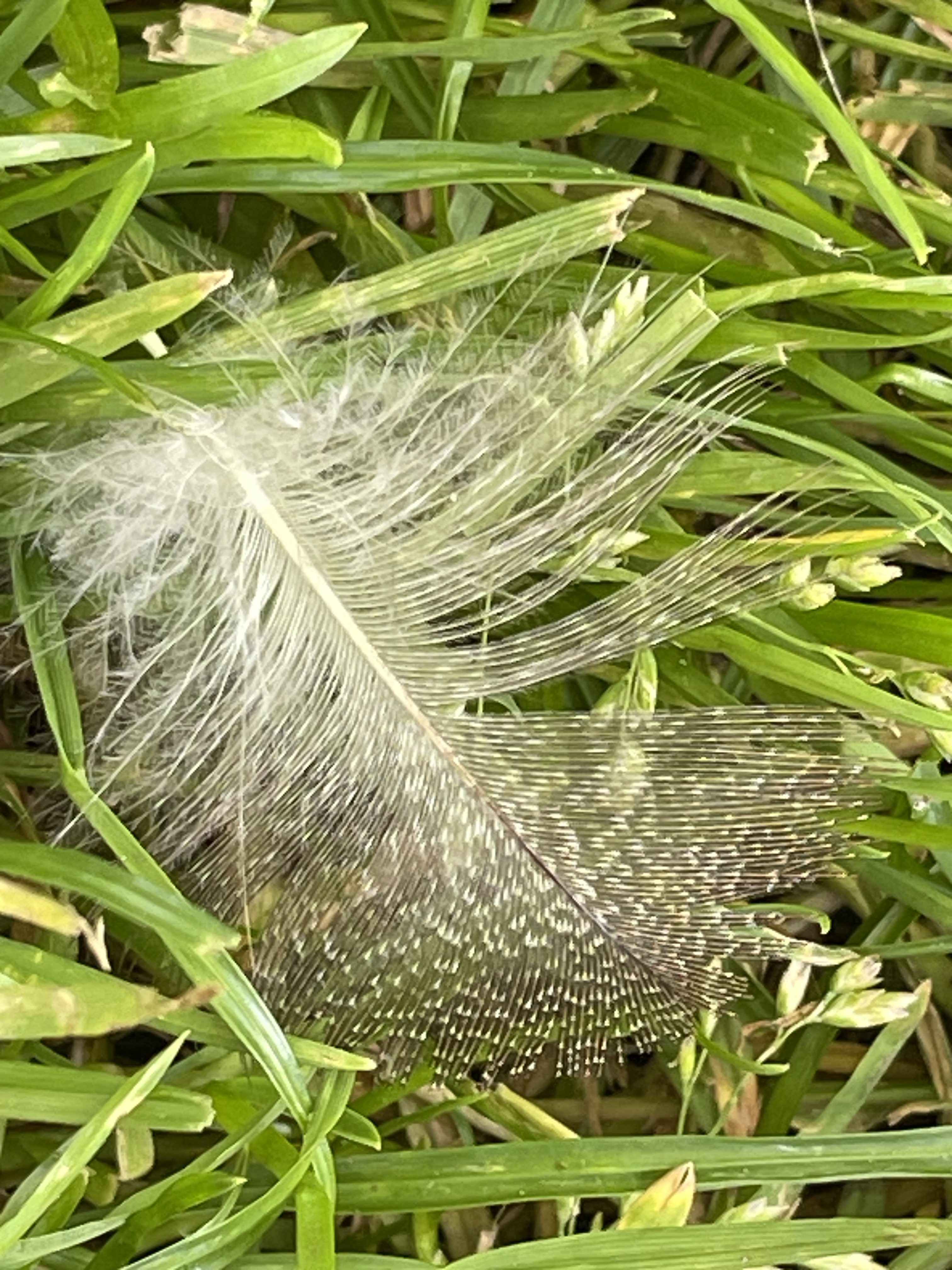
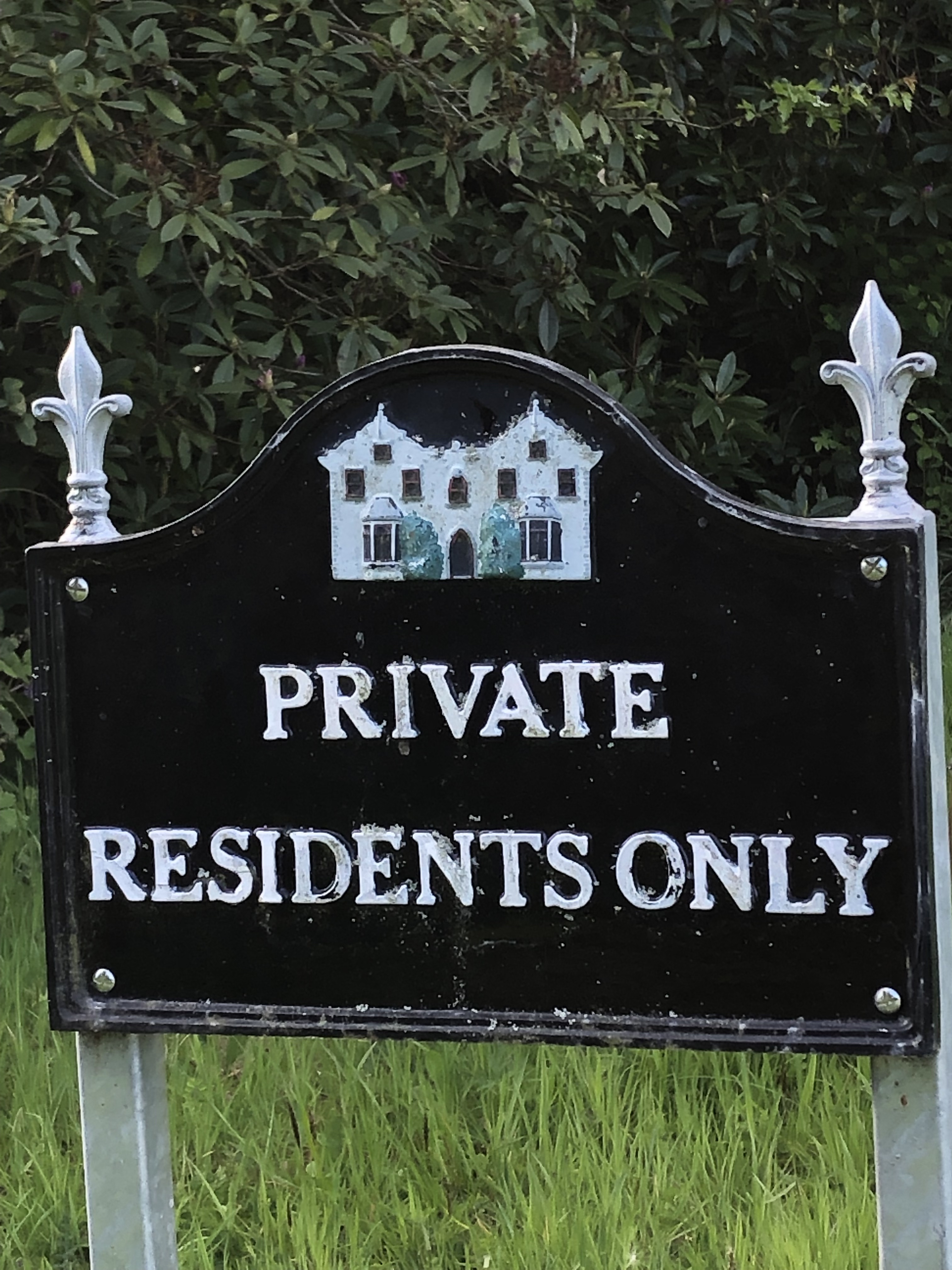
Irish scenes, brought to you by my iPhone and my dual senses of awe and affection…
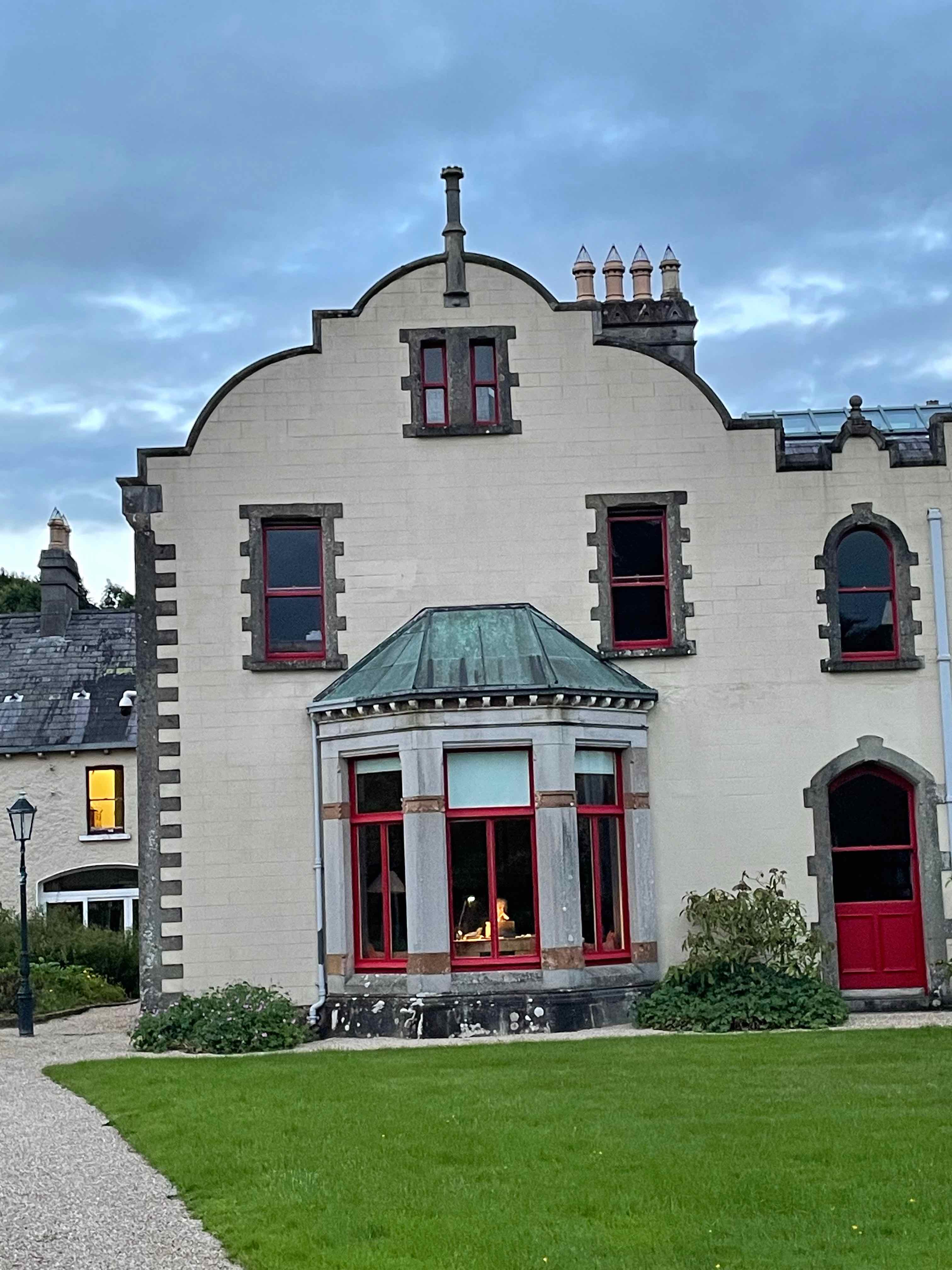
Happy reading, happy writing, happy travelling, and whatever you’re doing, don’t forget also to look up/look down.
4 Comments

Filed under Events, Favourite books, Writing

Coming up: masterclass series at Centre for Stories

If you’re an emerging or established writer in the Perth metropolitan area, you might be interested in a series of six masterclasses being presented over April and May at the Centre for Stories in Northbridge. The series consists of the following three-hour masterclasses presented by six award-winning writers:

17 April  The Narrative Landscape with Portland Jones

24 April  The Hybrid (Decolonised) Narrative with Rashida Murphy

1 May Science in Story and Imagination with Vivienne Glance

8 May Politics and Creative Writing with Susan Midalia

22 May The Researched Imagination with Annamaria Weldon

29 May Editing Your Own Work with Amanda Curtin

You can book individual sessions, but there is a great offer available for those interested in attending all six.

I’m delighted to be taking part in this series alongside writers whose work I love and respect, and I might even book a few sessions myself.

The editing masterclass I’m presenting is designed to assist writers look at their manuscript objectively, examine the prose, architecture and effects of the work, and polish it to the highest level within their capability prior to submission. If that sounds like something for you, there are more details on the link above.
I’d love to see you there!

The Centre for Stories is located at 100 Aberdeen Street, Northbridge,
and each masterclass is run on a Saturday afternoon, 1–4pm.

Leave a comment

Filed under Editing, Events, Writing

Well, scrape me down from the sky…

It’s been nearly three days. You’d think I would have managed to post the news before now. But it took me by surprise, and it’s taken a while to come down to earth.

Ee0GkqeUcAEhaxo

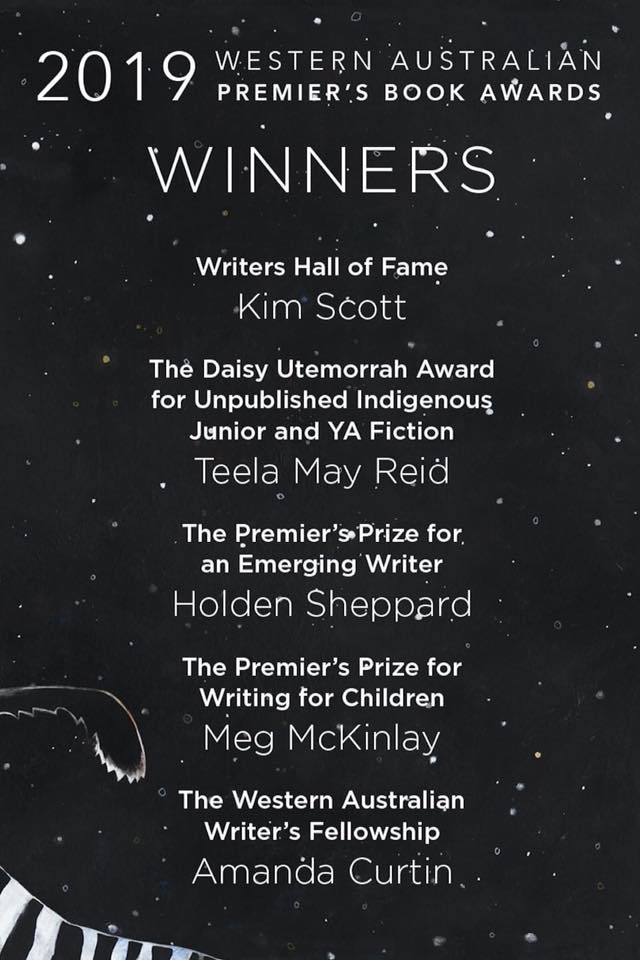
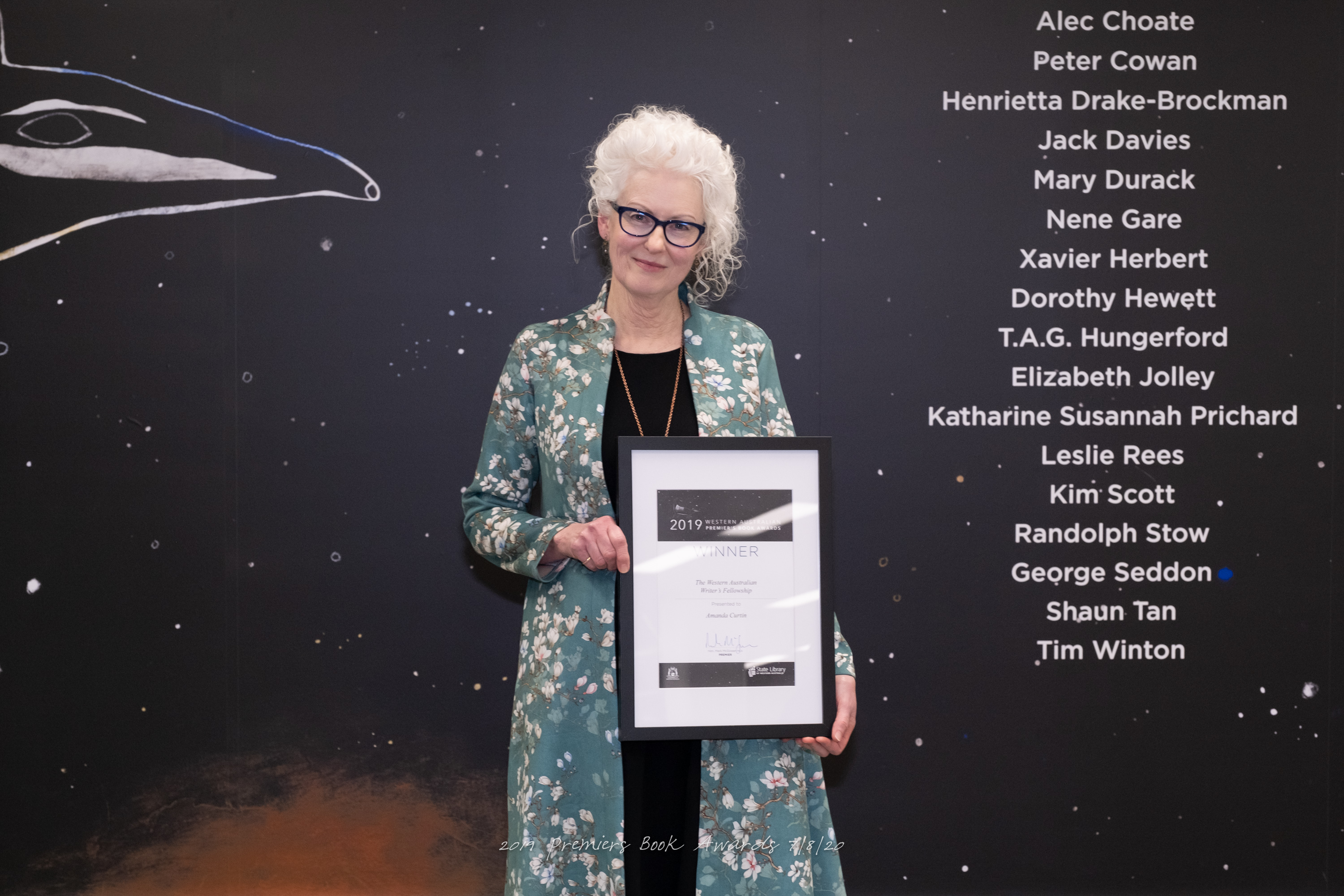
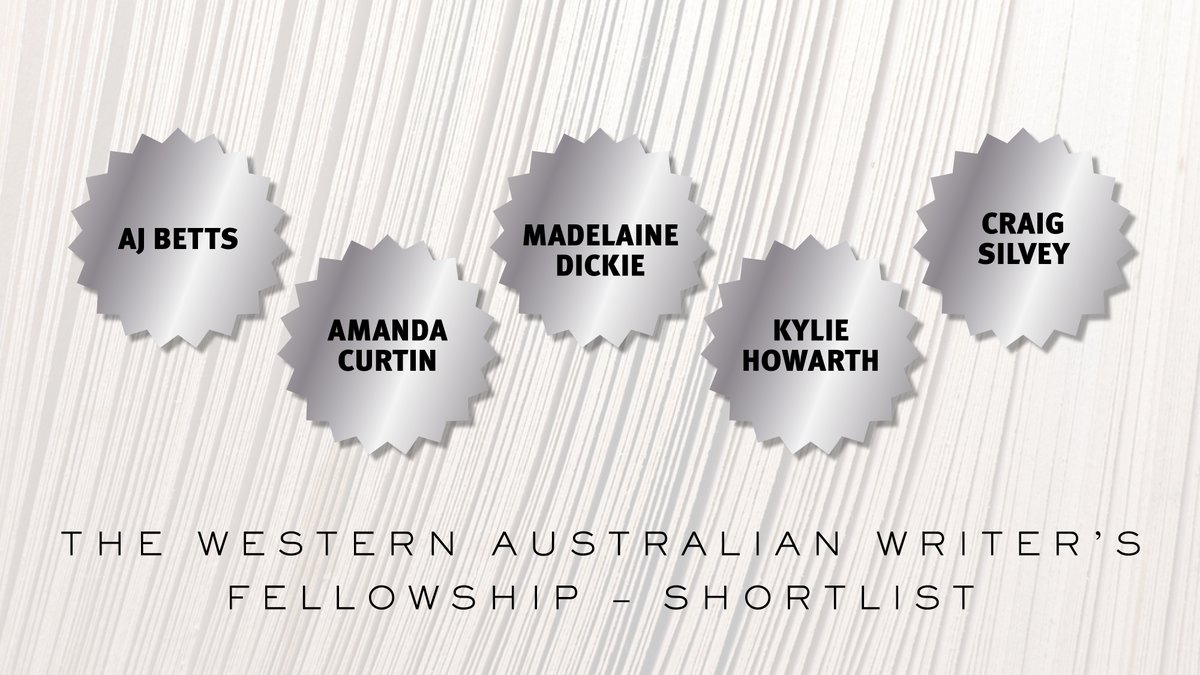
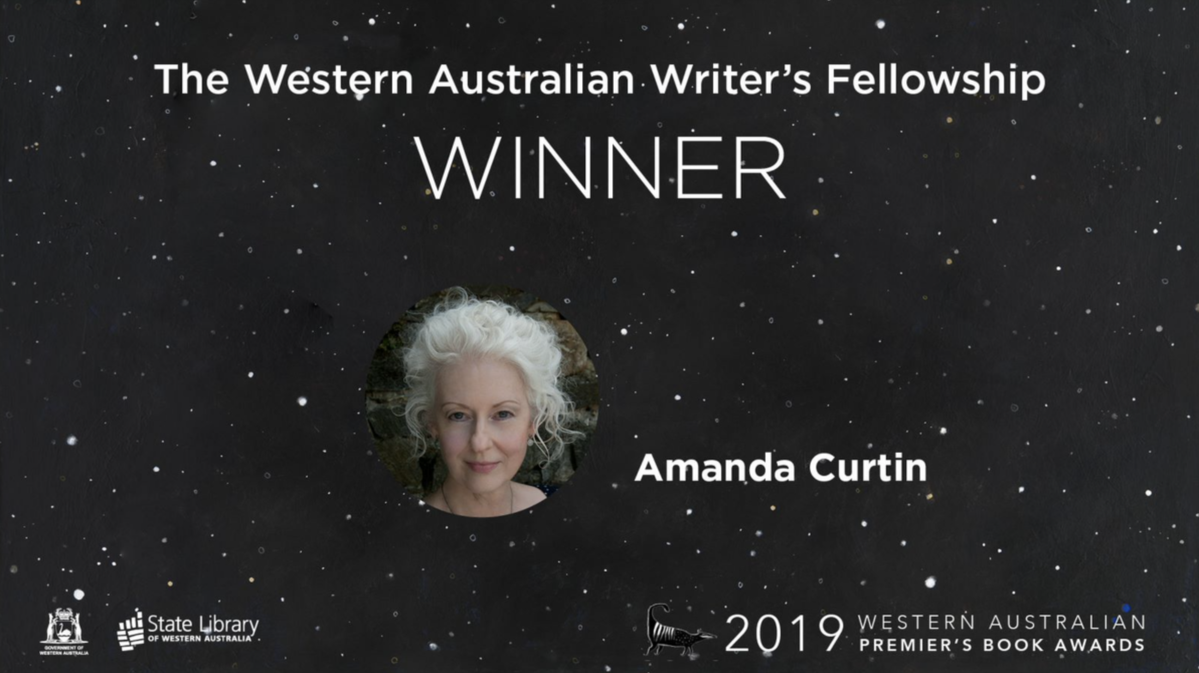
Last Friday, at the announcement of the WA Premier’s Book Awards,* I was awarded this year’s Western Australian Writer’s Fellowship. My fellow shortlistees were Lucy Dougan, Caitlin Maling, Rafeif Ismail and Carl Merrison, and it was a privilege to be in the company of these wonderful writers.

Congratulations to all the WA Premier’s Book Awards winners and shortlisted authors:

117086874_3123681204345951_6992681009280803038_n

Unlike an award given for a published book, a fellowship is not a prize; it’s a contract. It comes with expectations and responsibilities, and I’m so excited about the work ahead. The fellowship will enable me to make substantial progress on the new novel I’m working on, set in Perth and Coolgardie during the 1890s—a story of emigration and racism and extraordinary social change.

My thanks to the WA Government, the State Library of WA and the judging panel for this unparalleled opportunity.

*The event was live-streamed on YouTube (the feed begins at around 6 minutes).

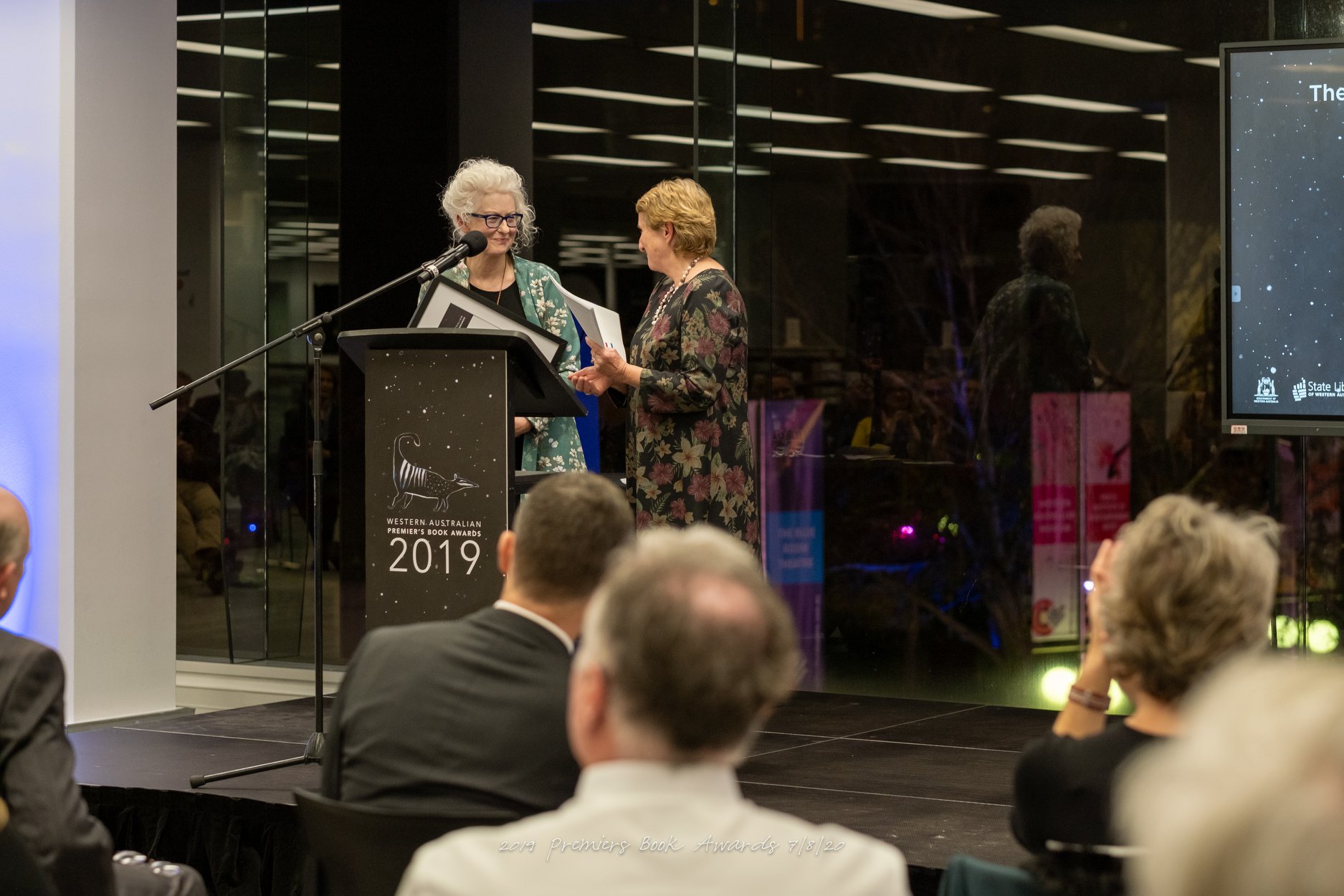
A few photos, courtesy of the State Library of Western Australia…


09D6260E-26DC-4E37-A52B-1F3364F2B5D1

Susan Midalia, Jo Taylor, Amanda Curtin, Francine Nababan, Jan Nicholls

Premier's Book Awards night Friday 7 August 2020

81860CBA-19A9-40AA-9452-0C4A8497C73A

AF7CE8E4-4D87-49EC-A090-74AD8CF0929B

Premier's Book Awards night Friday 7 August 2020

Premier's Book Awards night Friday 7 August 2020

Holden Sheppard

Premier's Book Awards night Friday 7 August 2020

Meg McKinlay

Premier's Book Awards night Friday 7 August 2020

Kim Scott

Premier's Book Awards night Friday 7 August 2020

Premier's Book Awards night Friday 7 August 2020


28 Comments

Filed under Events, Writing

A podcast and some good news…

I was delighted when Will Yeoman, from The West Australian, invited me to talk about Scotland in this episode of ‘The Pod Well Travelled. It was hard to choose one place among the many in Scotland I love, but in the end it had to be Shetland, where part 2 of Elemental is set. You can also listen to discussions about Finland and Arles in this episode.

A3A7441C-C521-414B-B0AB-ABDE143165BD_1_201_a

And for the good news…

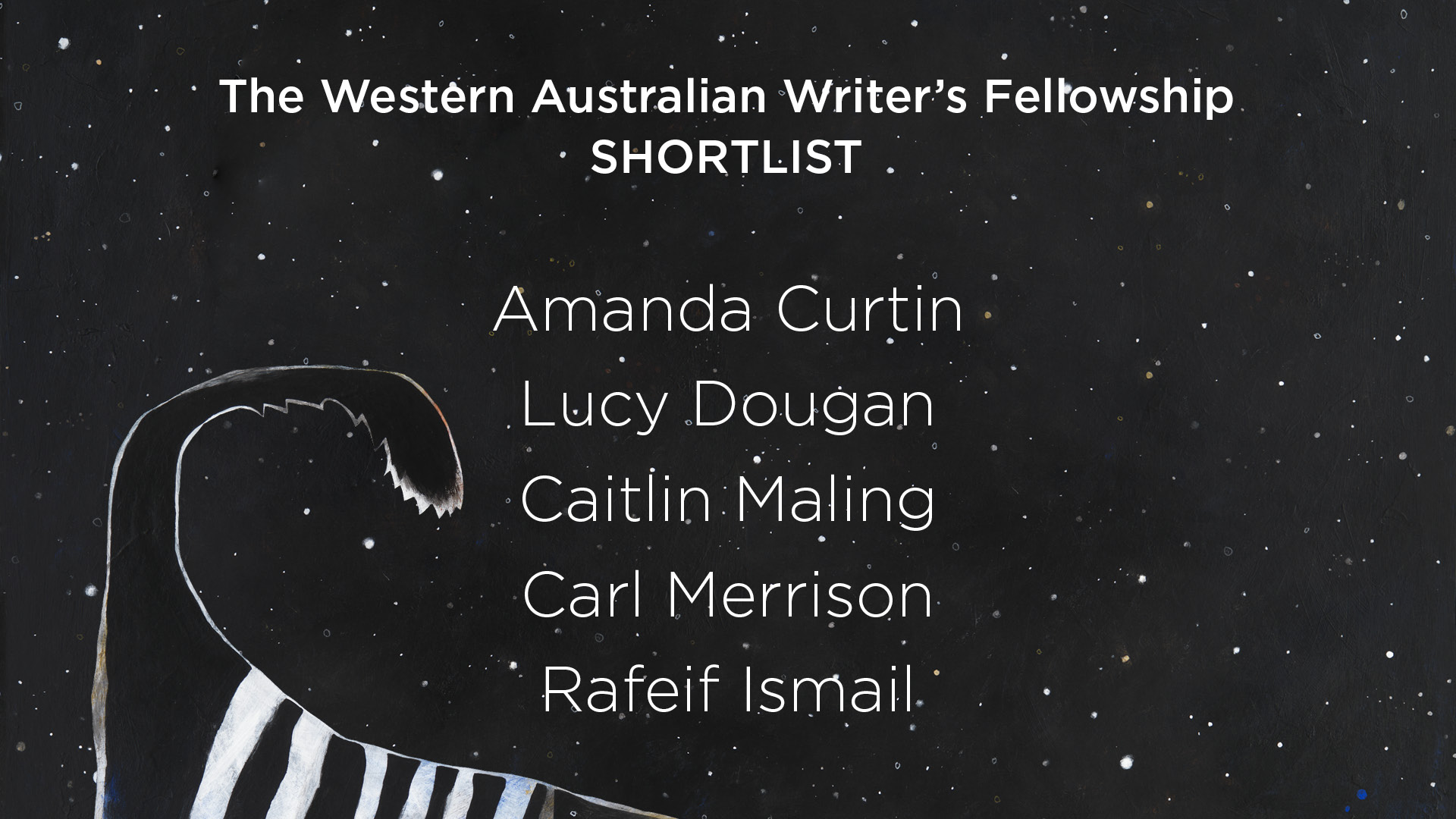
In a year that has been, and continues to be, so difficult and unnerving, it is a singular pleasure to be shortlisted for the WA Writer’s Fellowship, part of the WA Premier’s Book Awards.

EbudJg9WkAMLKsH

The full shortlists are here. Congratulations and good luck to everyone!

Leave a comment

Filed under Elemental, research, Writing

China sojourn…

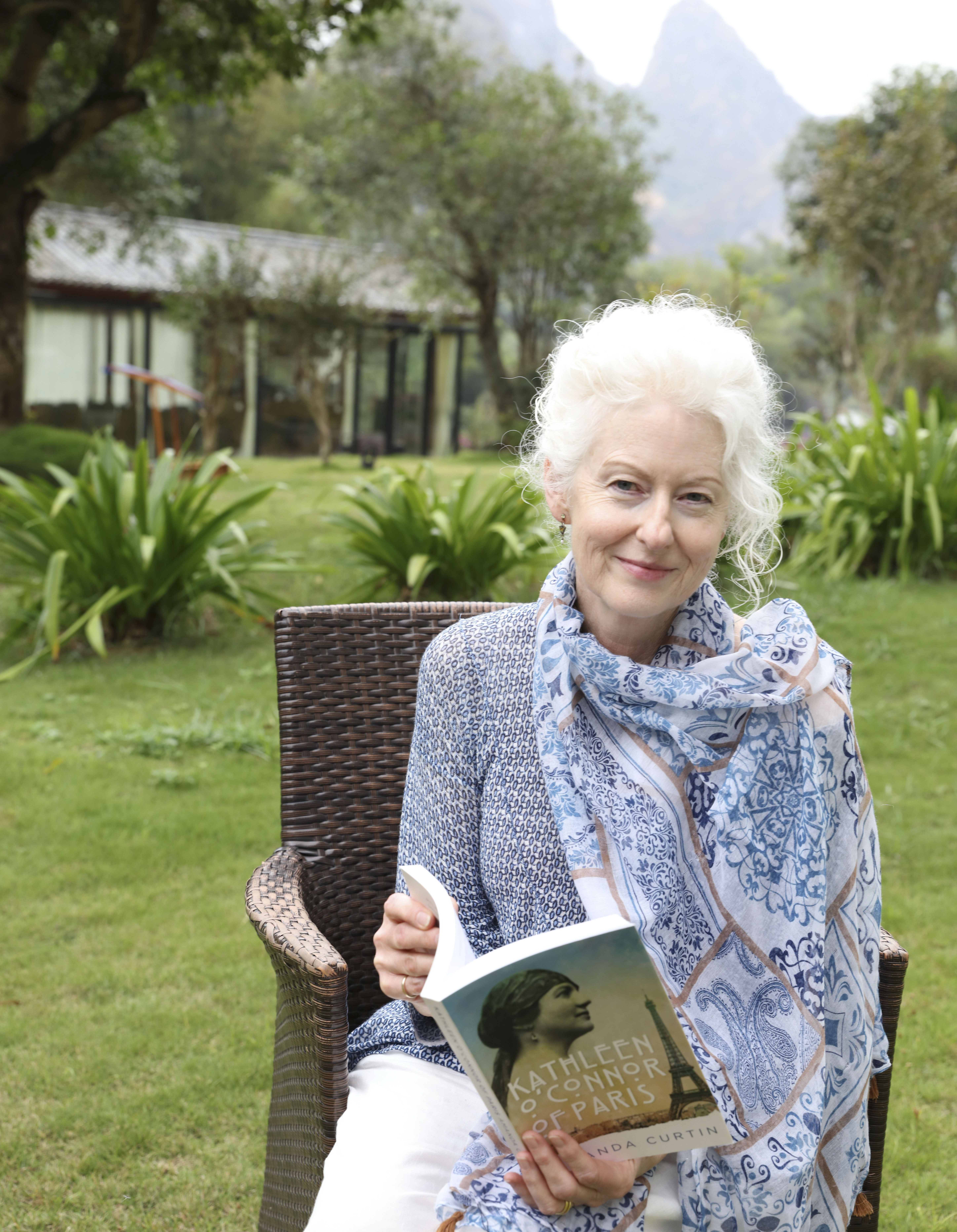
Amanda Curtin(photo by WEI Donghua)

Photo courtesy Wei Donghua

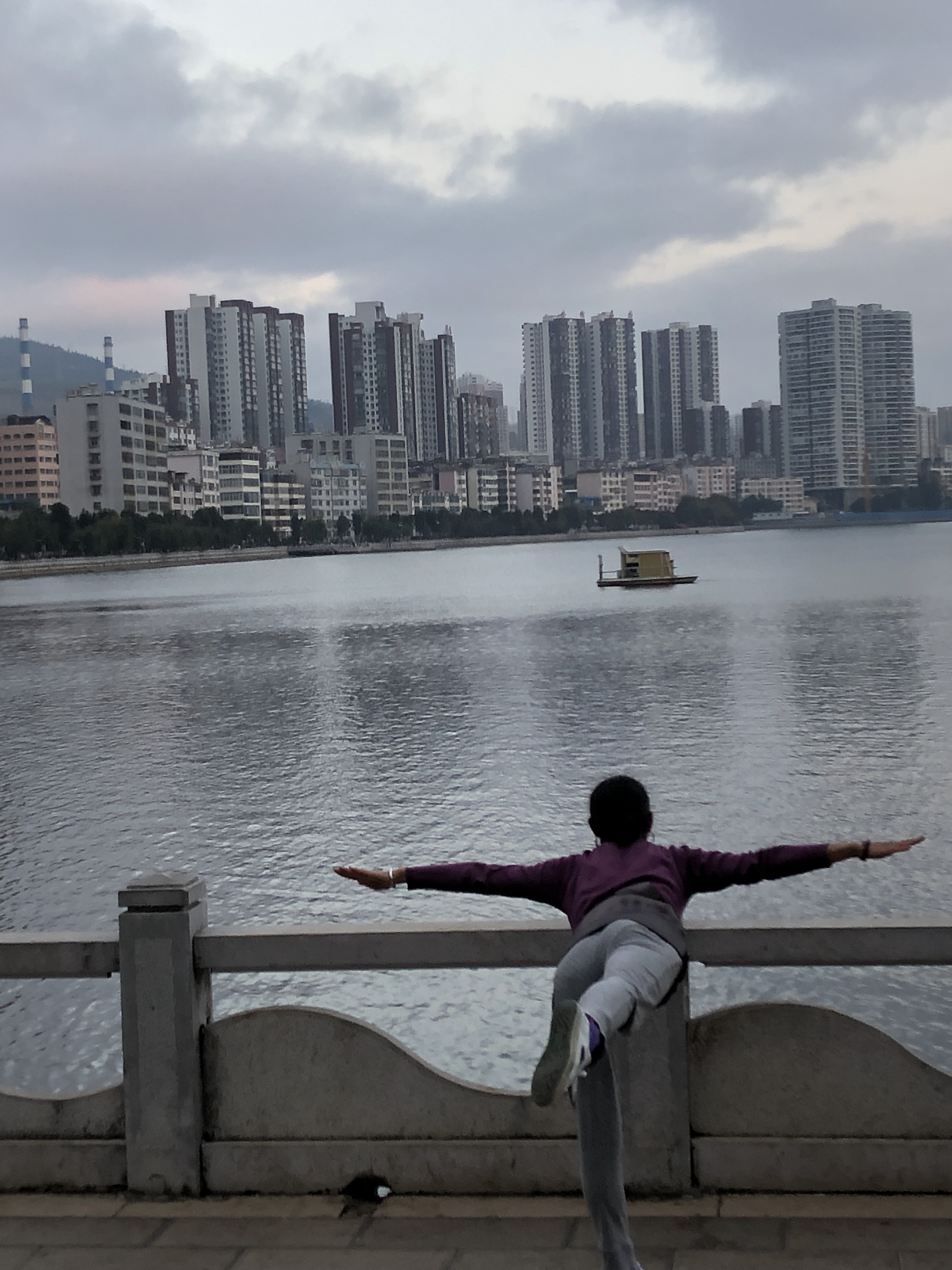
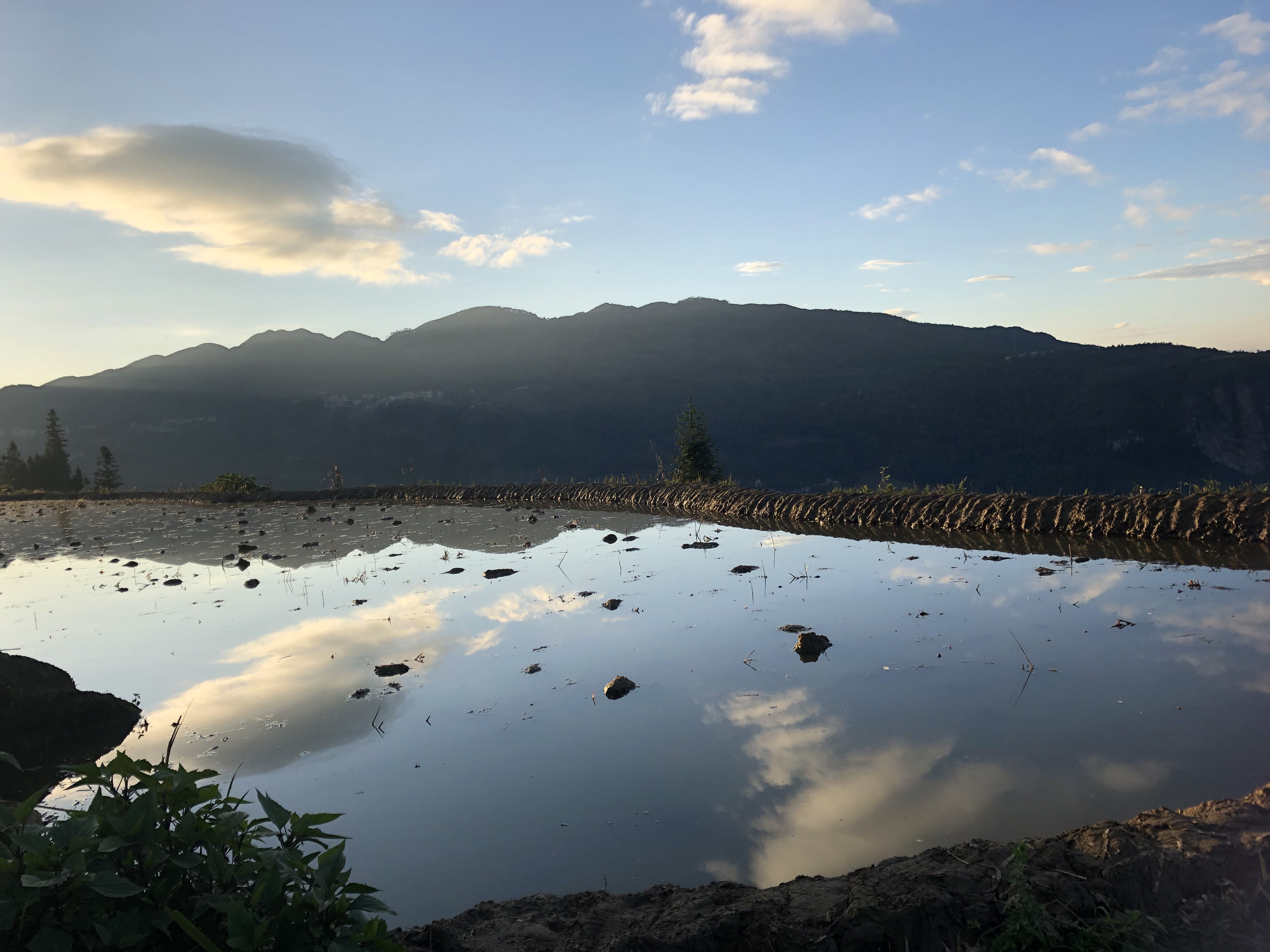
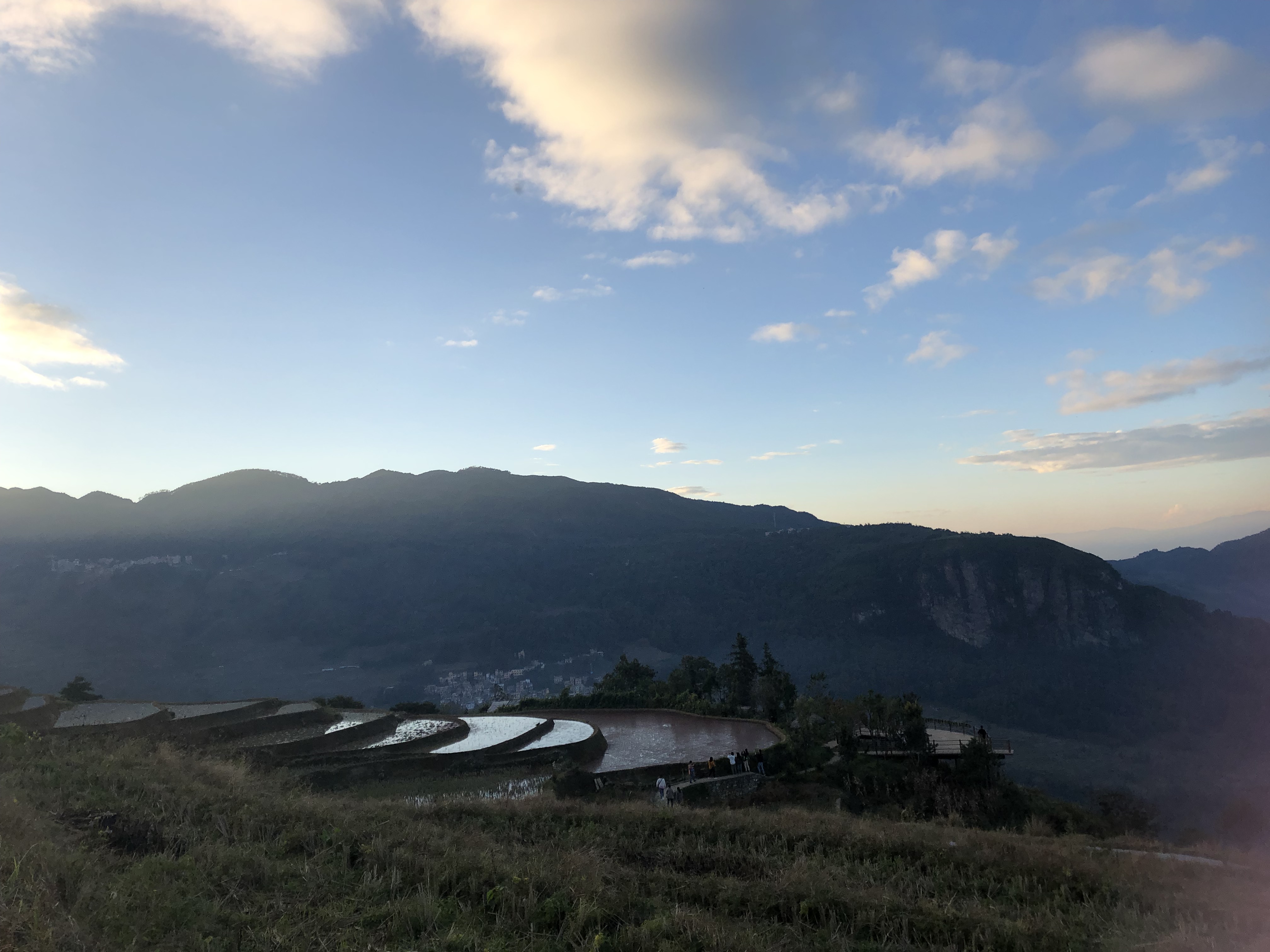
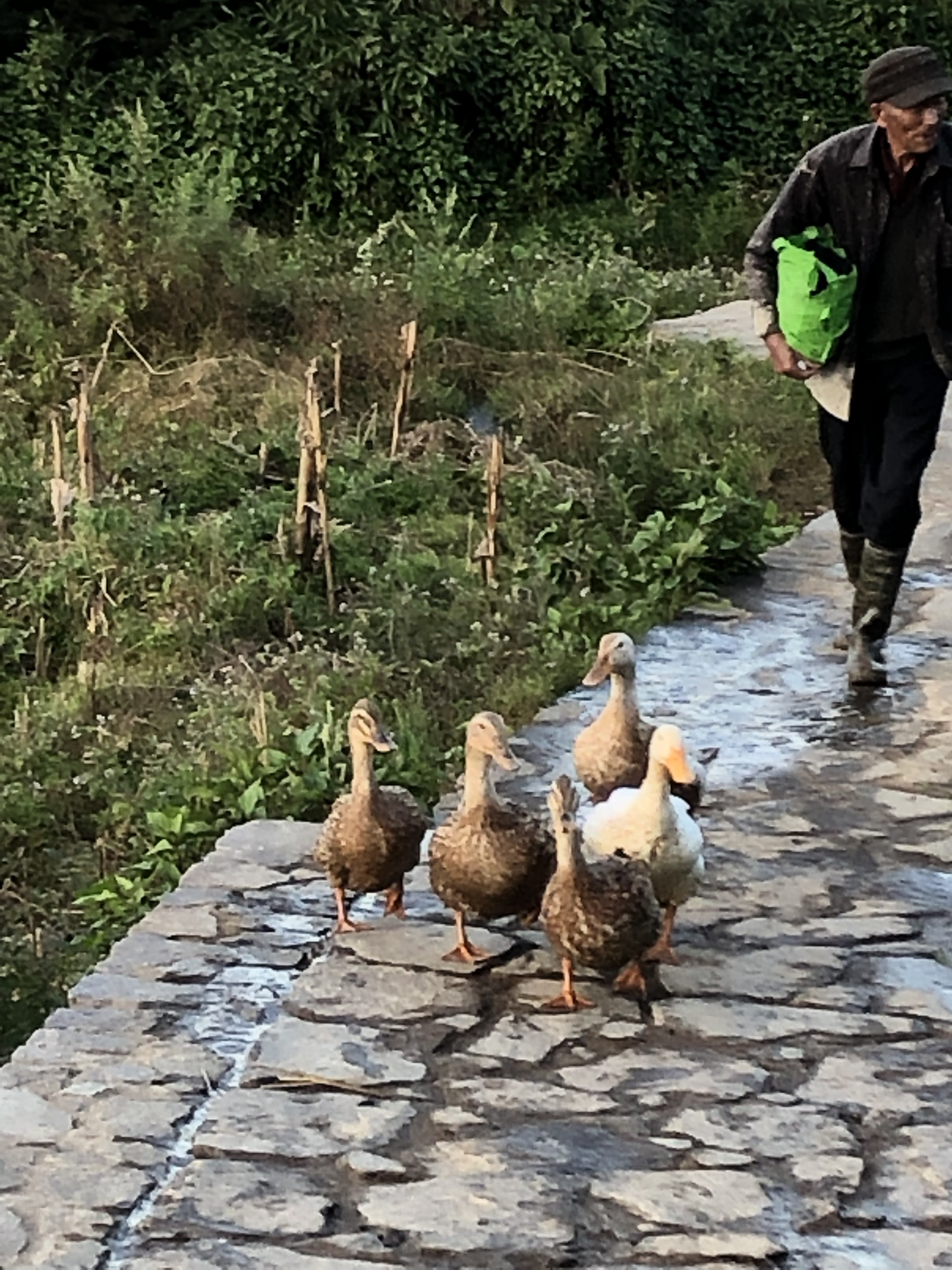
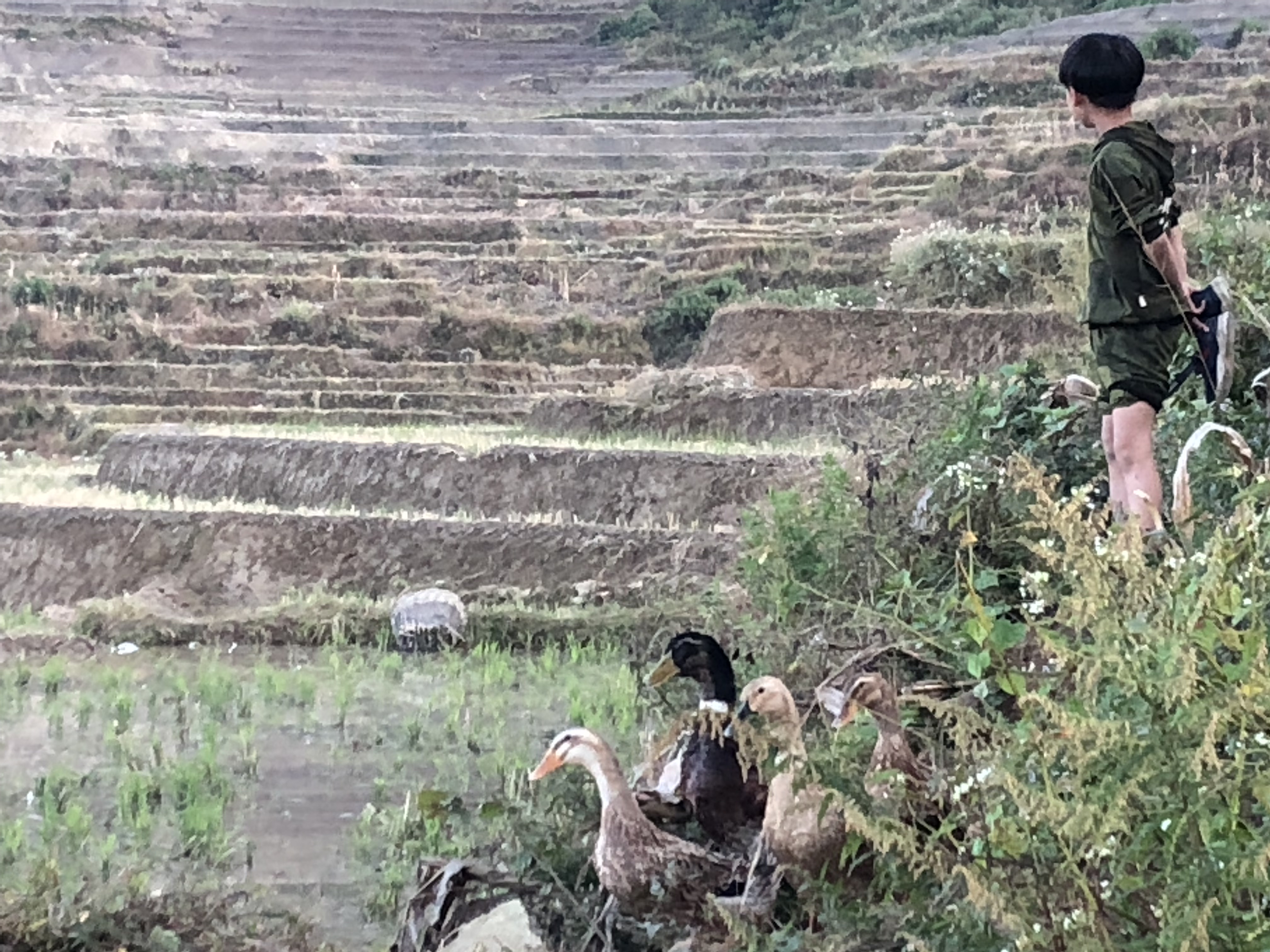
I recently took a four-week break from the blog—from all social media, in fact—when I joined the 2019 Sun Yat-sen Writers’ Residency in China. The residency promotes the reading and writing of world literature by providing the space for international writers to engage with Chinese literature, culture and people.

I had the privilege of sharing these four unforgettable weeks with seven other writers—Damien Wilkins, New Zealand; Abigail Parry, United Kingdom; Geoffrey Nutter, United States; Alecia McKenzie, Jamaica; Ignacio Vleming, Spain; Helmuth A. Niederle, Austria; Irene Santori, Italy—as well as the residency creator and director, Professor Dai Fan, her colleagues from Sun Yat-sen University, and three groups of translation students.

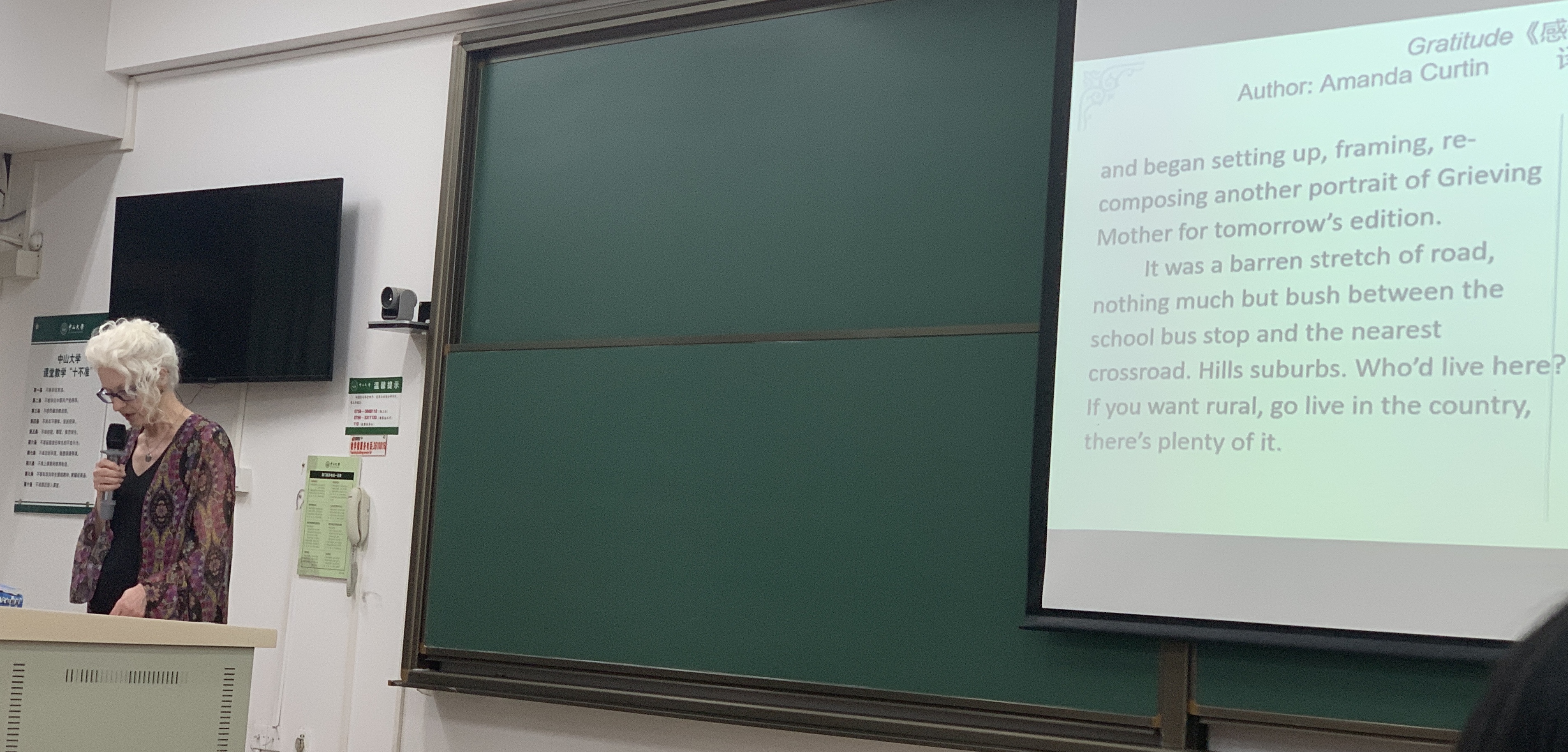
During the residency, writers each had a piece of work (mine, the short story ‘Gratitude’, from Inherited) translated into Mandarin, and I found the process of working with student translators Junhai Yang and Yueyie Kong fascinating, rewarding, and occasionally confronting. I learned that some words in English have no literal equivalent in Mandarin, and a common question from the students—Does this mean…?—required stepping back in time, into the genesis of the story, to find ways of explaining overall intention as well as words and sentences. It gave me an appreciation of the collaborative art that translation is—or can be—and of the students’ sensitive, careful work. During the residency, each writer gave a reading of the work translated, with both the English and Mandarin versions projected on screen.

Version 2

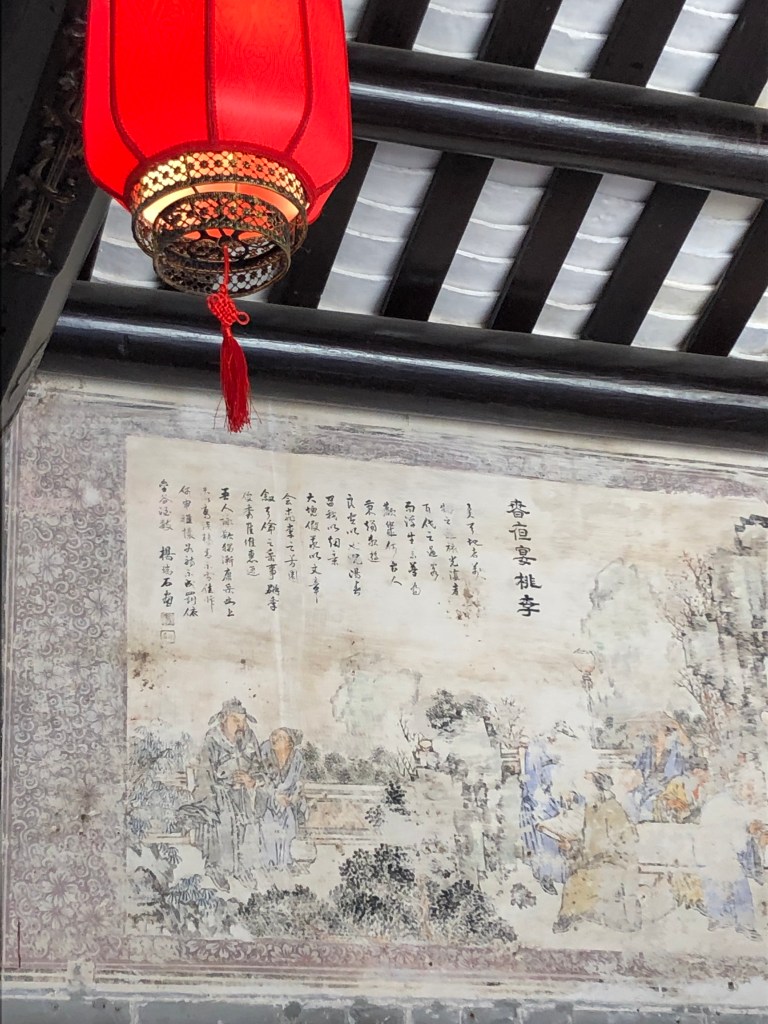
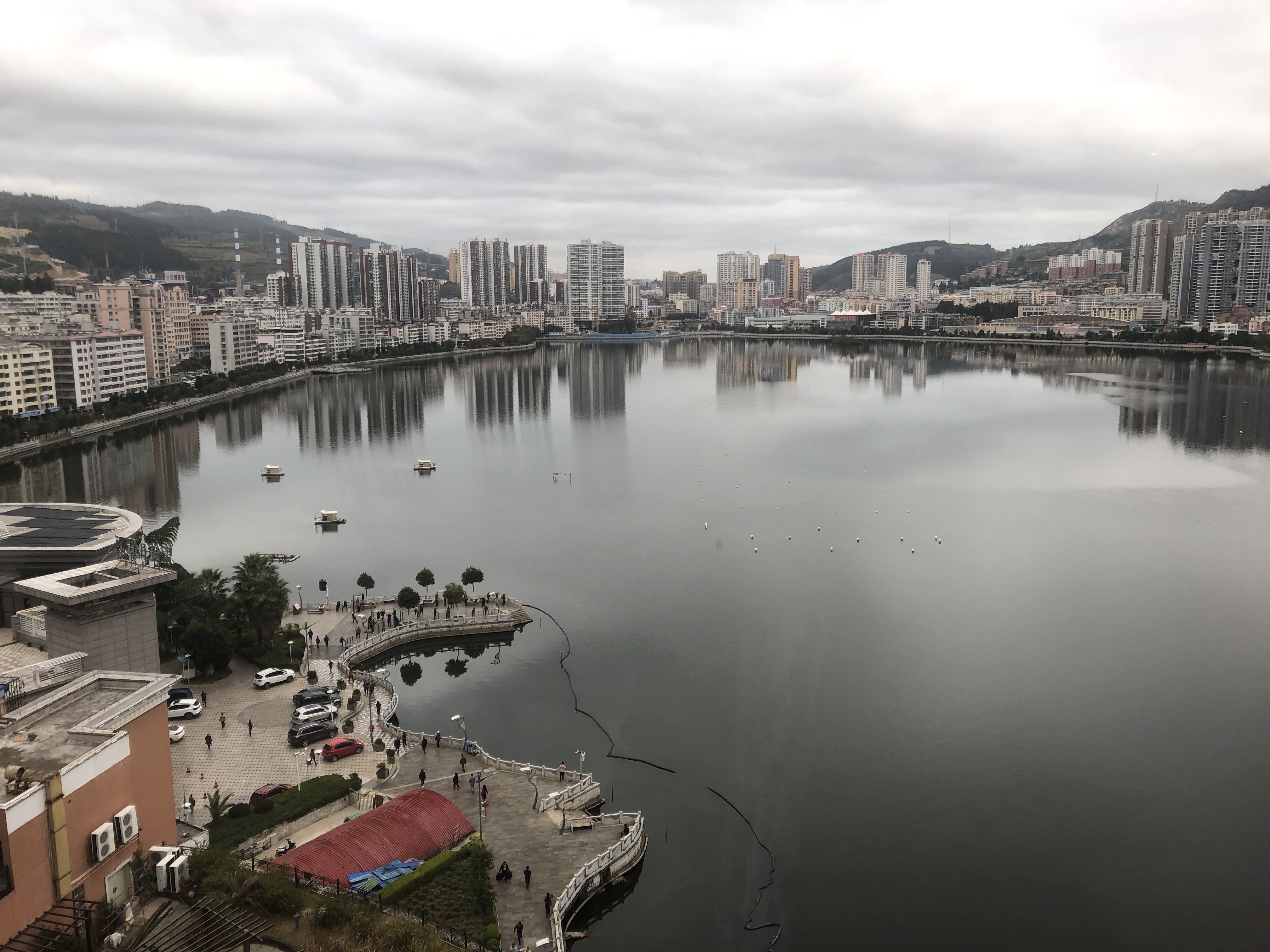
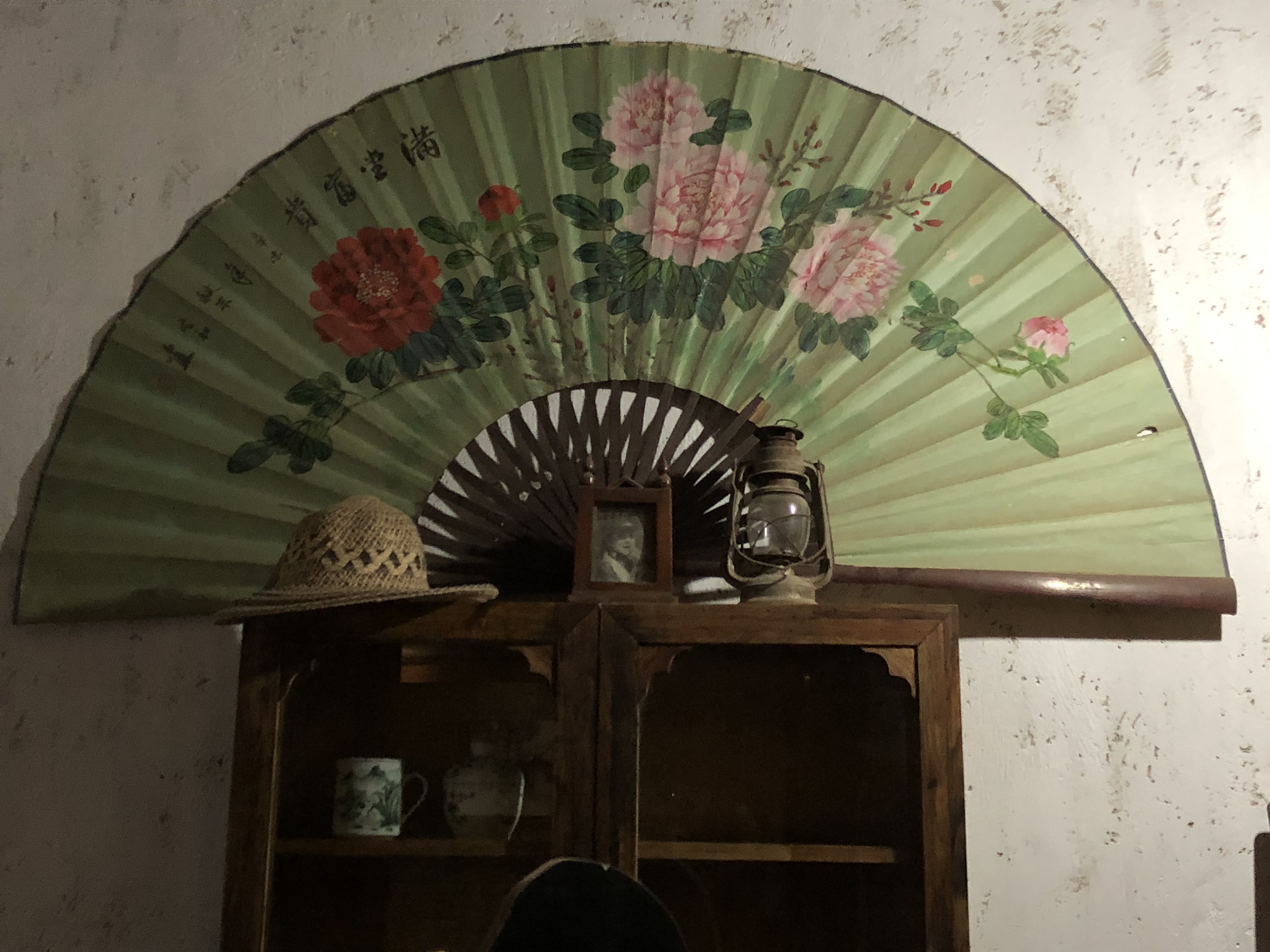
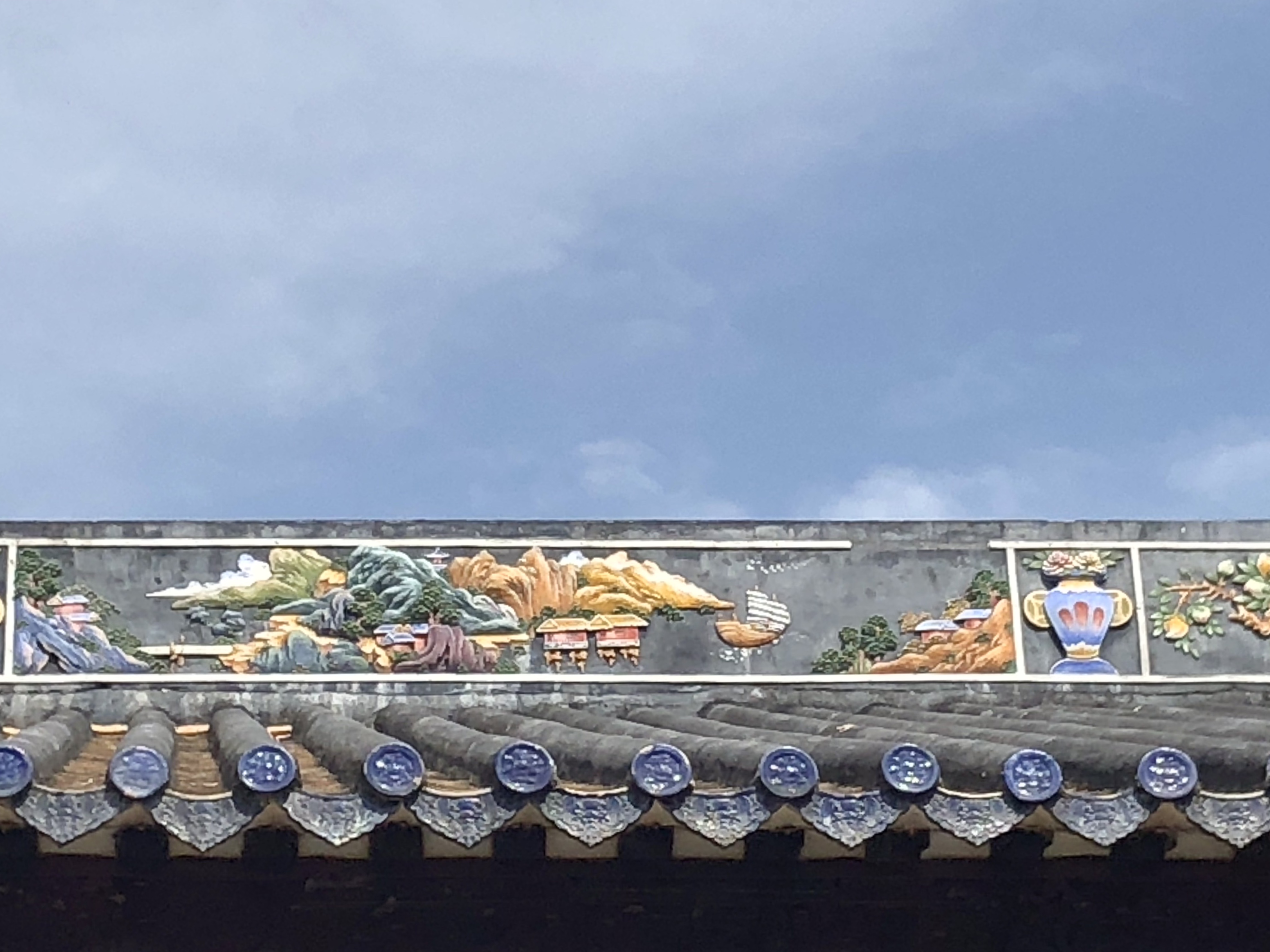
Aside from providing time to write—and reflect—the residency gave us an outstanding opportunity to experience aspects of Chinese culture and history, life in cities and villages, and some of China’s amazing landscapes. We spent time in Yangshuo (Guanxi Autonomous Region), Gejiu City (Yunnan Province) and the Guangzhou and Zhuhai campuses of Sun Yat-sen University (Guangdong Province), and I gained a sense of just how vast China is on the day we spent eight hours on a high-speed train, covering more than a thousand kilometres.

Here are a few visual highlights.

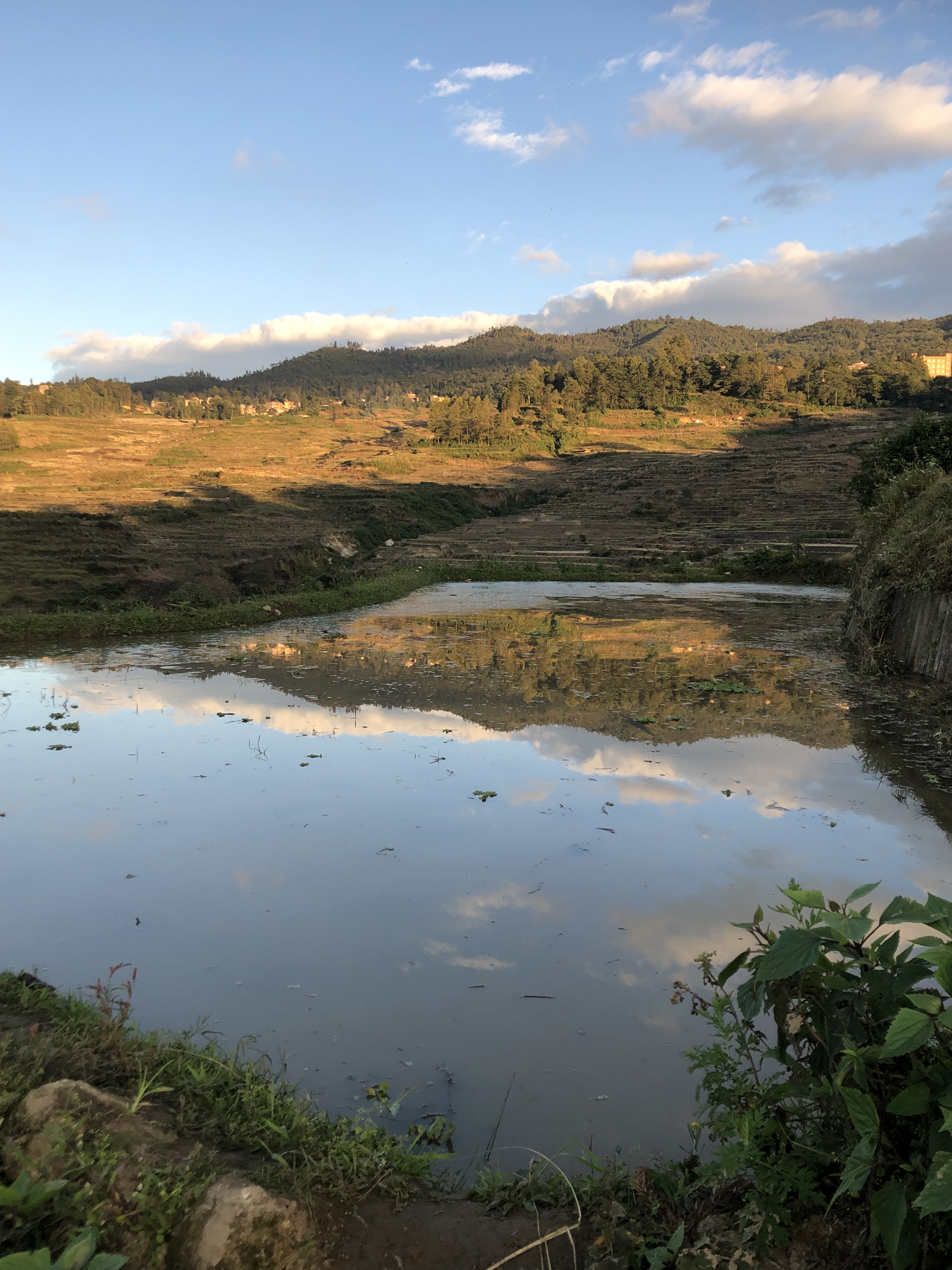
Yulong riverside, surrounded by karst mountain formations, Yangshuo…

IMG_0305

IMG_0518

IMG_0639

View from Green Dragon Bridge

Flora…

Mountain Song, Yangshuo…

IMG_0341 IMG_0334

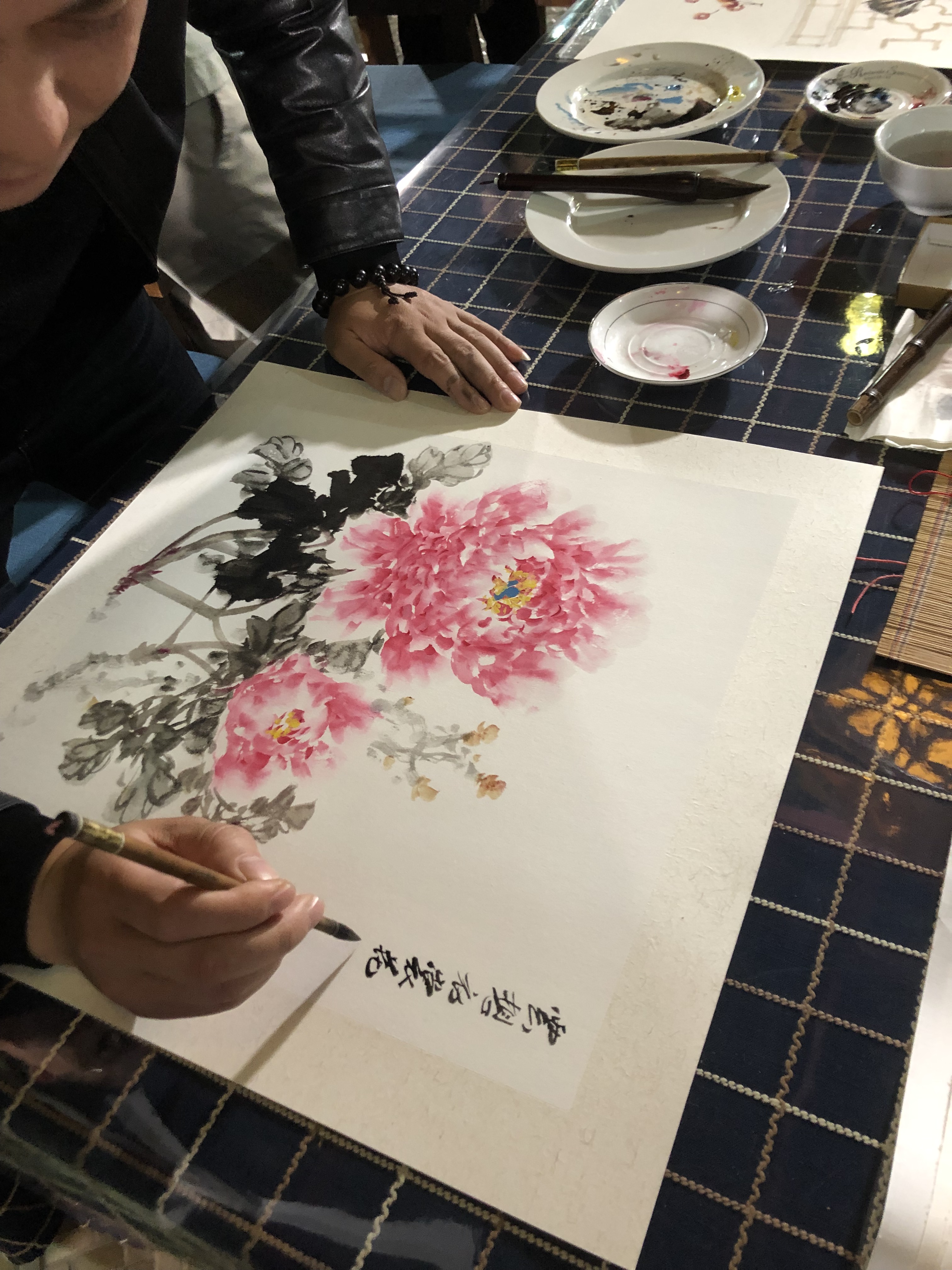
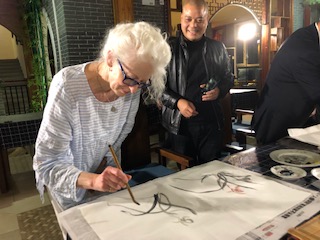
Artists and calligraphers, Yangshuo…


IMG_0838

IMG_0862

Not a very good student!

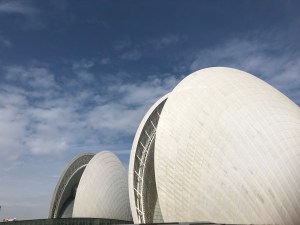
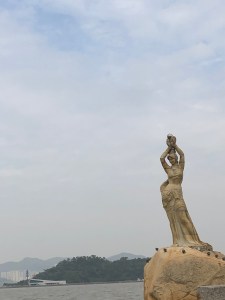
The coastal city of Zhuhai…

IMG_1019

IMG_1044

IMG_1071

IMG_1075

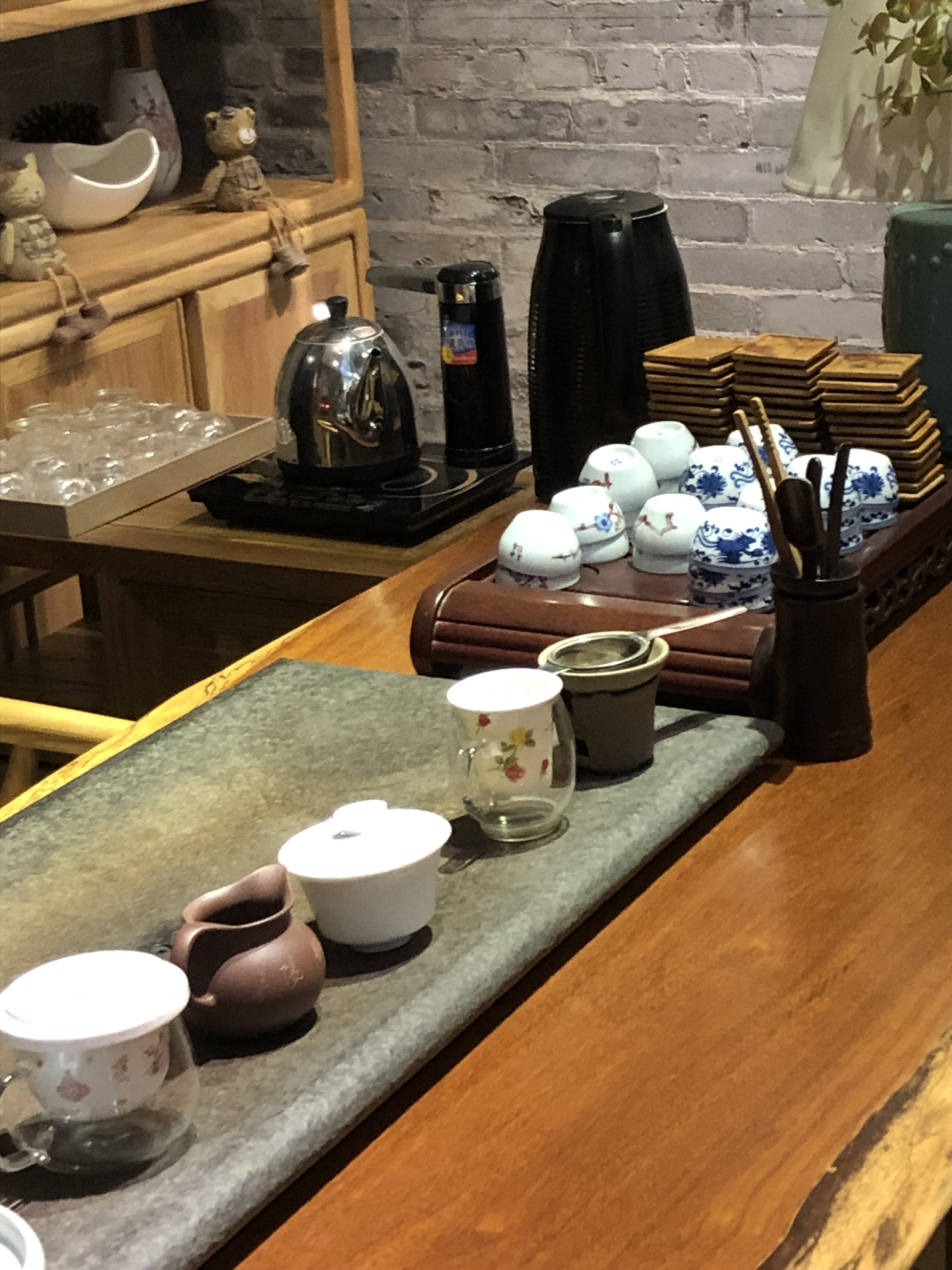
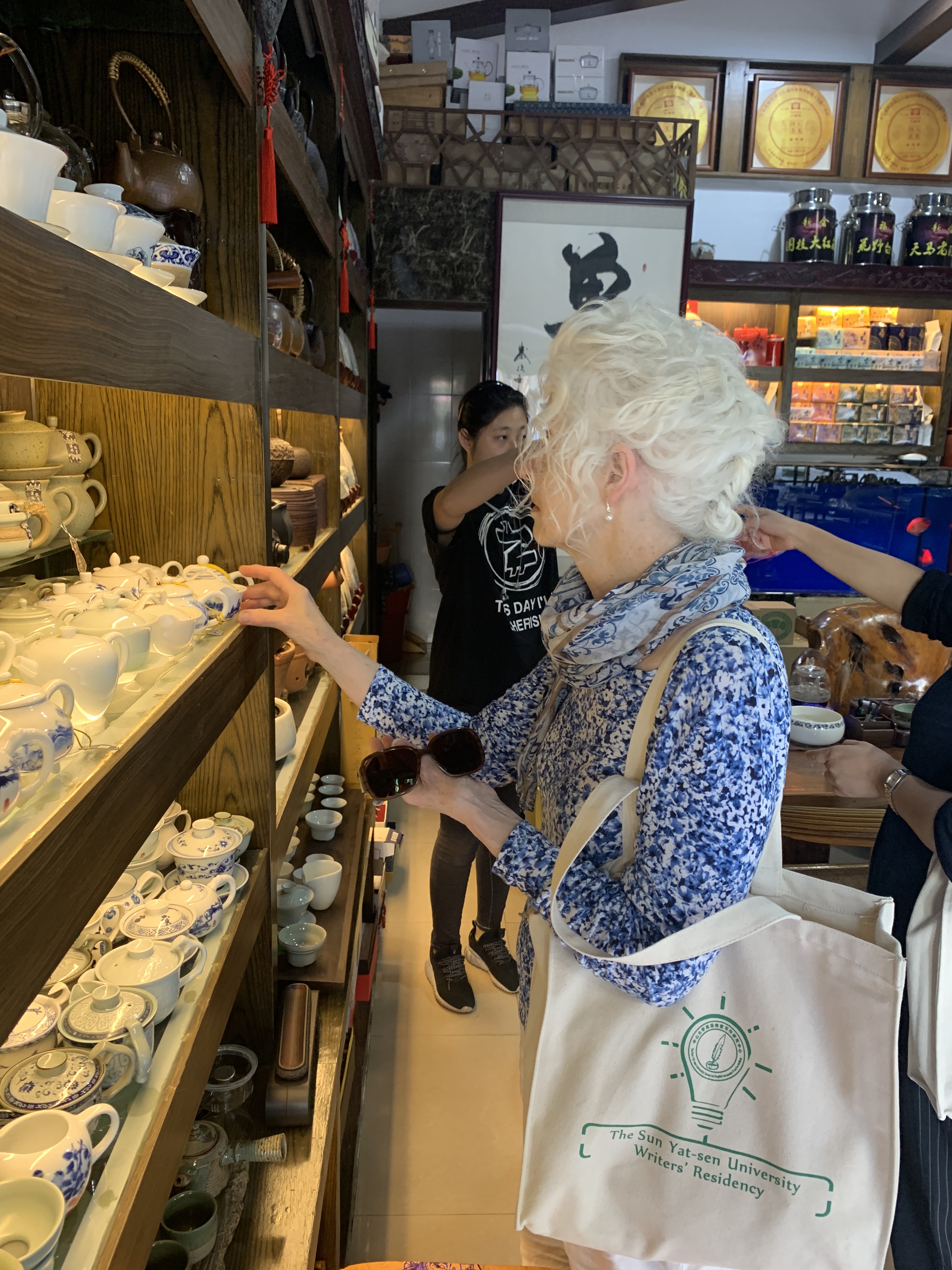
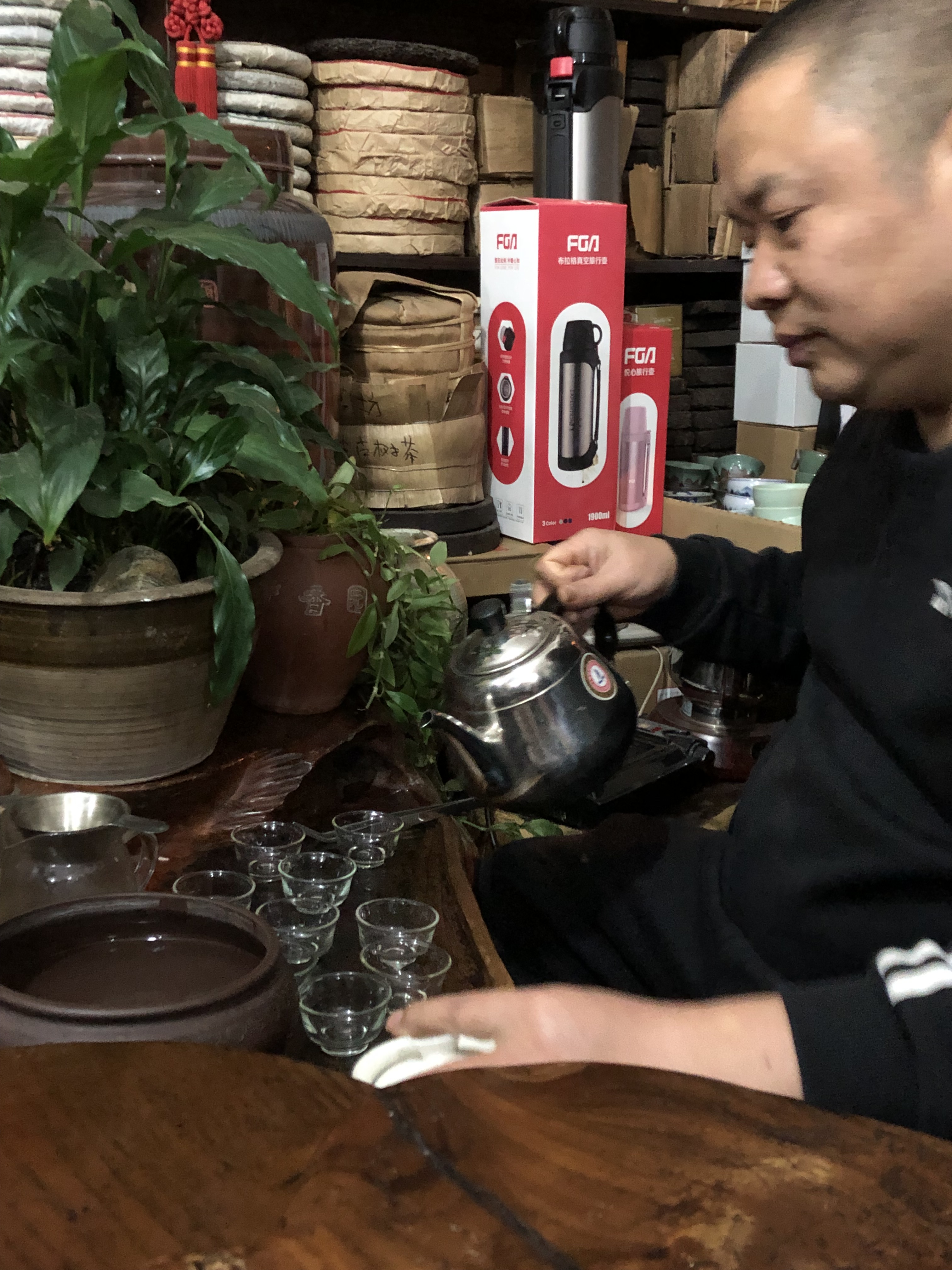
The art of tea…

IMG_1474

IMG_1099

IMG_1346

Gejiu City…

IMG_1530

IMG_1125

IMG_1145

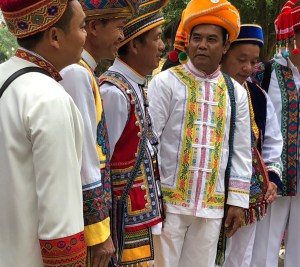
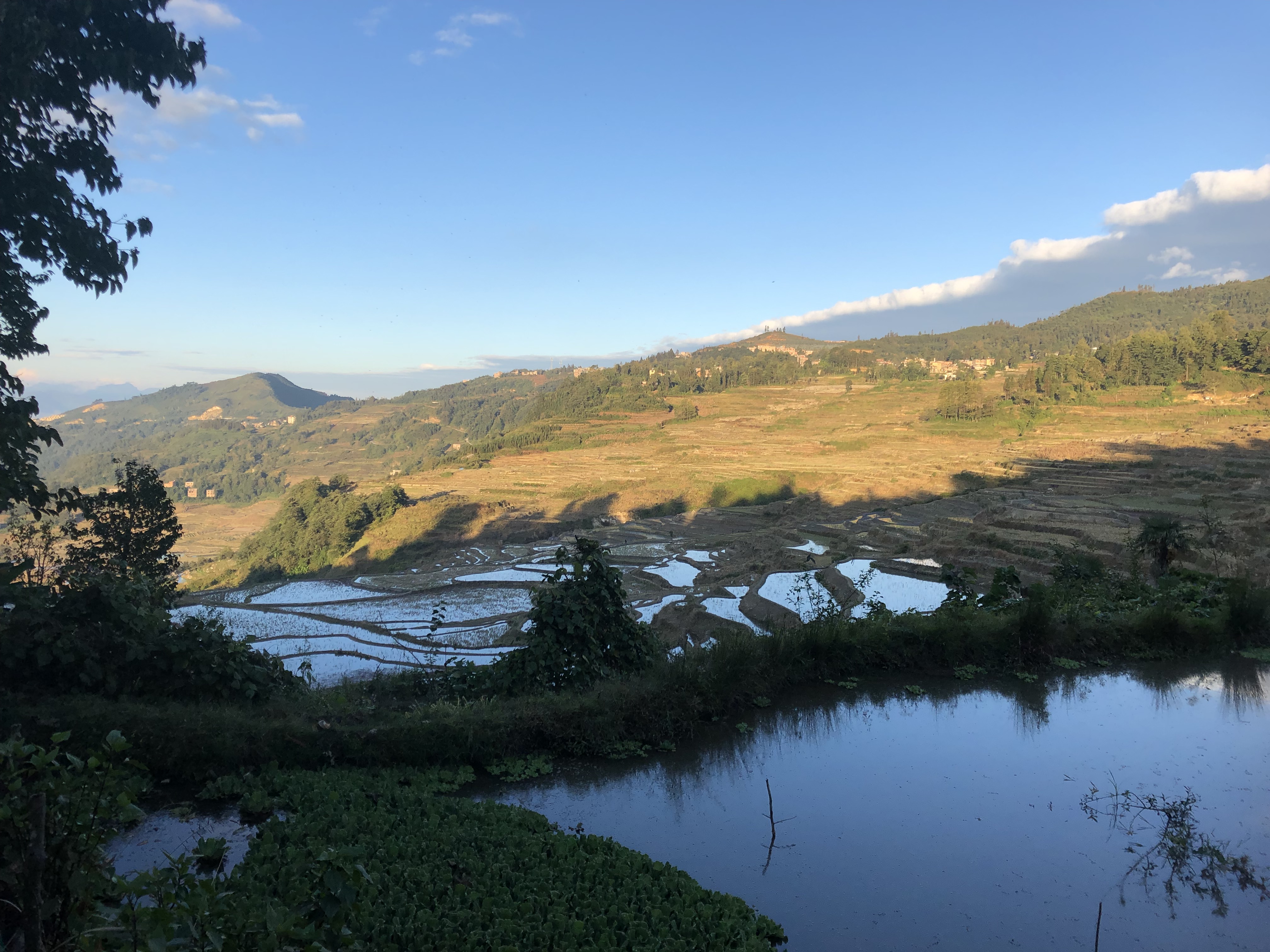
Azheke Village, Yuanyang Prefecture…

IMG_1271

IMG_1277

IMG_1290

IMG_1292

IMG_1284

IMG_1296

Visits to schools and colleges…

IMG_1469

IMG_1451

IMG_0783

16 Comments

Filed under Events, Writing

WA Premier’s shortlists…

Earlier this month, the Western Australian Minister for Culture and the Arts announced the shortlists for the 2019 WA Premier’s Book Awards, and I couldn’t have been more delighted, or surprised, to find myself shortlisted for the inaugural Western Australian Writer’s Fellowship.

D8MzW7HUEAAmWEg

It’s an honour to be in the company of this stellar group of writers. Thanks to the judges for making my year!

Shortlists for the three other awards being presented are as follows:

Emerging Writer

  • Alicia Tuckerman, If I Tell You (novel, YA; Pantera Press)
  • Dervla McTiernan, The Rúin (novel; HarperCollins Publishers)
  • Renée Pettitt-Schipp, The Sky Runs Right Through Us (poetry; UWA Publishing)
  • Gus Henderson, The Wounded Sinner (novel; Magabala Books)
  • Laurie Steed, You Belong Here (novel; Margaret River Press)

Writing for Children

  • Sally Morgan, illust. Craig Smith, Grandpa, Me and Poetry (Scholastic Australia)
  • Mark Greenwood, illust. Andrew McLean, The Happiness Box (Walker Books Australia)
  • Kelly Canby, The Hole Story (Fremantle Press)
  • Barry Marshall & Lorna Hendry, illust. Bernard Caleo), How to Win a Nobel Prize (Piccolo Nero, Schwartz Publishing Pty Ltd)
  • Kirsty Murray, illust. Karen Blair, Puddle Hunters (Allen & Unwin)

Daisy Utemorrah  Award for Unpublished Indigenous Junior and YA Writing

  • Paul Callaghan, ‘Coincidence’
  • Kirli Saunders, ‘Mother Speaks’
  • Karl Merrison & Hakea Hustler, ‘Tracks of the Missing’

Congratulations and good luck to all!

12 Comments

Filed under Writing

Thinking time…

I spent most of May at one of my favourite places in the world, the Tyrone Guthrie Centre at Annaghmakerrig, in County Monaghan, Ireland, among an always-changing, always-inspiring household of writers, visual artists, composers, filmmakers, translators, photographers.

This beautiful place, opened in 1981, was the home of renowned theatre director Tyrone Guthrie, who bequeathed it to the Irish State as a retreat for artists. That act of vision and generosity has since touched the lives of thousands of artists who have become Annaghmakerrig residents for a few days or a few weeks.

For me, it was a productive, regenerative time, with quiet days (and often late nights) of work and reflection framed by glorious early-morning walks and warm, convivial evenings.

Here are a few visual highlights…

IMG_7916


IMG_7939

IMG_8170

IMG_8307

IMG_8165

IMG_8237

IMG_8015

IMG_8284

IMG_8227

IMG_8143

IMG_7997


14 Comments

Filed under Writing

Quick tutorial: the semicolon

iStock_000018482964XSmallIt’s been a while since I posted a quick tutorial, but I was asked recently to explain when and how to use a semicolon. Some writers hate this innocuous little slip of a thing, mostly because they’re not sure what to do with it. Others seem to like the idea of it but use it indiscriminately, hoping they’ll get it right.
Here’s a quick and easy guide.

Holding things together

The semicolon can be used to join two parts of a sentence that are closely linked in meaning and are independent clauses.

For example:

Charlene ate all the chocolates; she should have felt guilty.

Charlene ate all the chocolates and she should have felt guilty are linked in meaning and are independent clauses—that is, each could stand as a separate sentence:

Charlene ate all the chocolates. She should have felt guilty.

Whether you join them with a semicolon or cast them as two separate sentences is a matter of choice and nuance. Joining them perhaps confers a greater sense of judgment on the greedy Charlene!

Note that independent clauses can also be linked with a coordinating conjunction—for example:

Charlene ate all the chocolates and she should have felt guilty.

Charlene at all the chocolates so she should have felt guilty.

Each of these also gives a different nuance to the sentence.

But a comma should not be used to join two independent clauses. The following example, known as a ‘comma splice’, is incorrect:*

Charlene ate all the chocolates, she should have felt guilty.

Pushing things apart

The semicolon can also be used to separate items in a narrative list that contain internal commas.

Take, for example, this list of items:

  • three bags of coconut rough, one weighing 600 grams and the others, 400 grams
  • six bars of dark chocolate, two of them 85% cocoa
  • a silver-embossed, ribbon-tied foil carton of truffles

If this list were to be used in narrative in the usual way—that is, by separating each item with a comma—the sentence would look clumsy and be confusing to read, so semicolons are used instead of commas between the items:

That greedy Charlene ate three bags of coconut rough, one weighing 600 grams and the others, 400 grams; six bars of dark chocolate, two of them 85% cocoa; and a silver-embossed, ribbon-tied foil carton of truffles.

(OK, I confess: Charlene is me.)

I hope that helps!

*This ‘rule’ is often intentionally broken for creative purposes—for example, for rhythm, or to achieve a particular effect.

9 Comments

Filed under Editing, Tips for writers, Writing

Not the paperless office

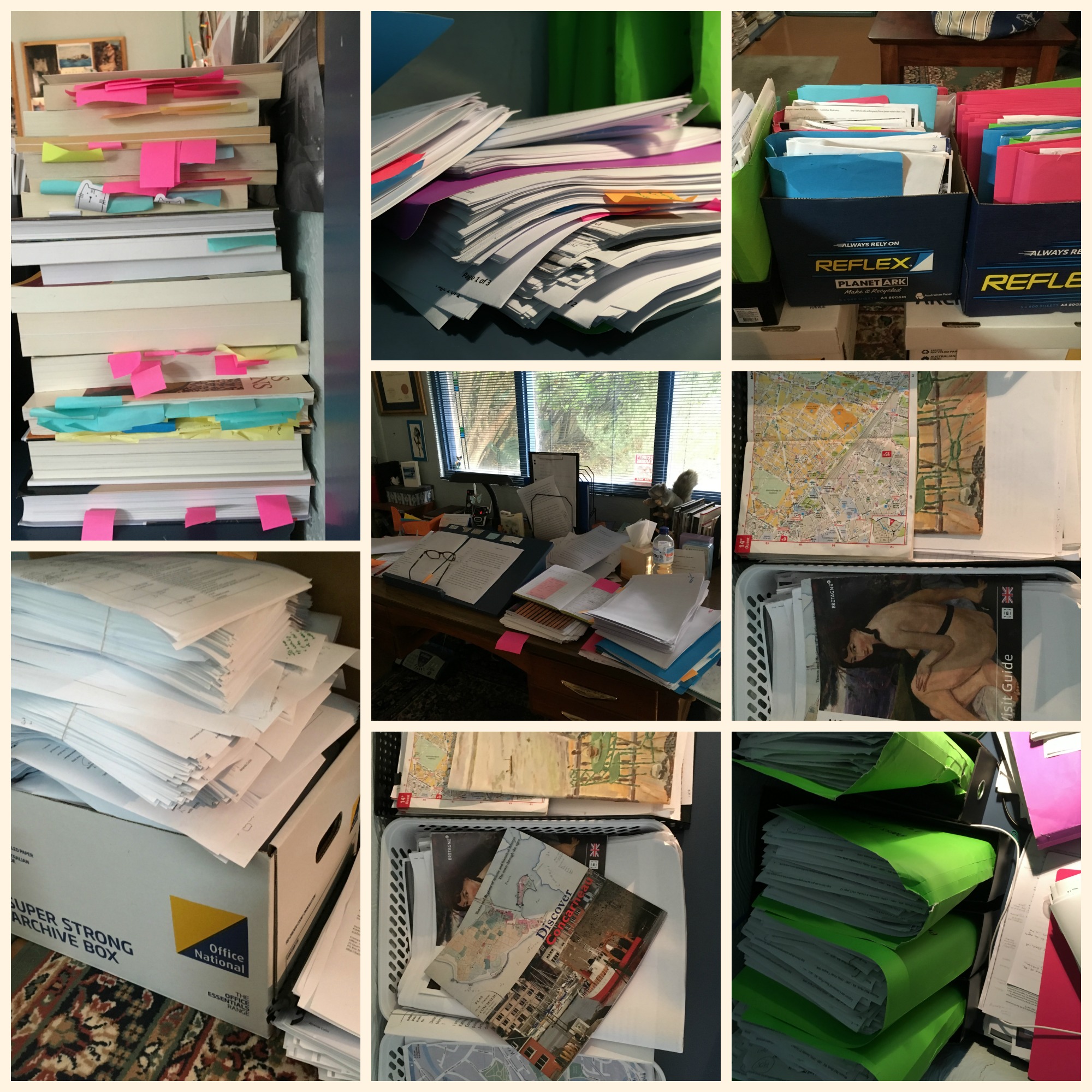
I’m nearing the end of a project I’ve been working on for several years, and the tracks of my research have colonised the studio. This is only a fraction of it…

studio

There are other ways to store and gather. Possibly easier. Definitely more environmentally sound. And I use many of those, too. But I’ve come to realise that the core of my research is constructed from paper and post-it notes, photographs and photocopies, books and boxes and manila folders. Well-worn maps. Talismans.

It will be time, soon, to pack it all away, to make space for other things, to de-clutter (a word I don’t particularly like, because what is clutter if not history?).

But not yet.

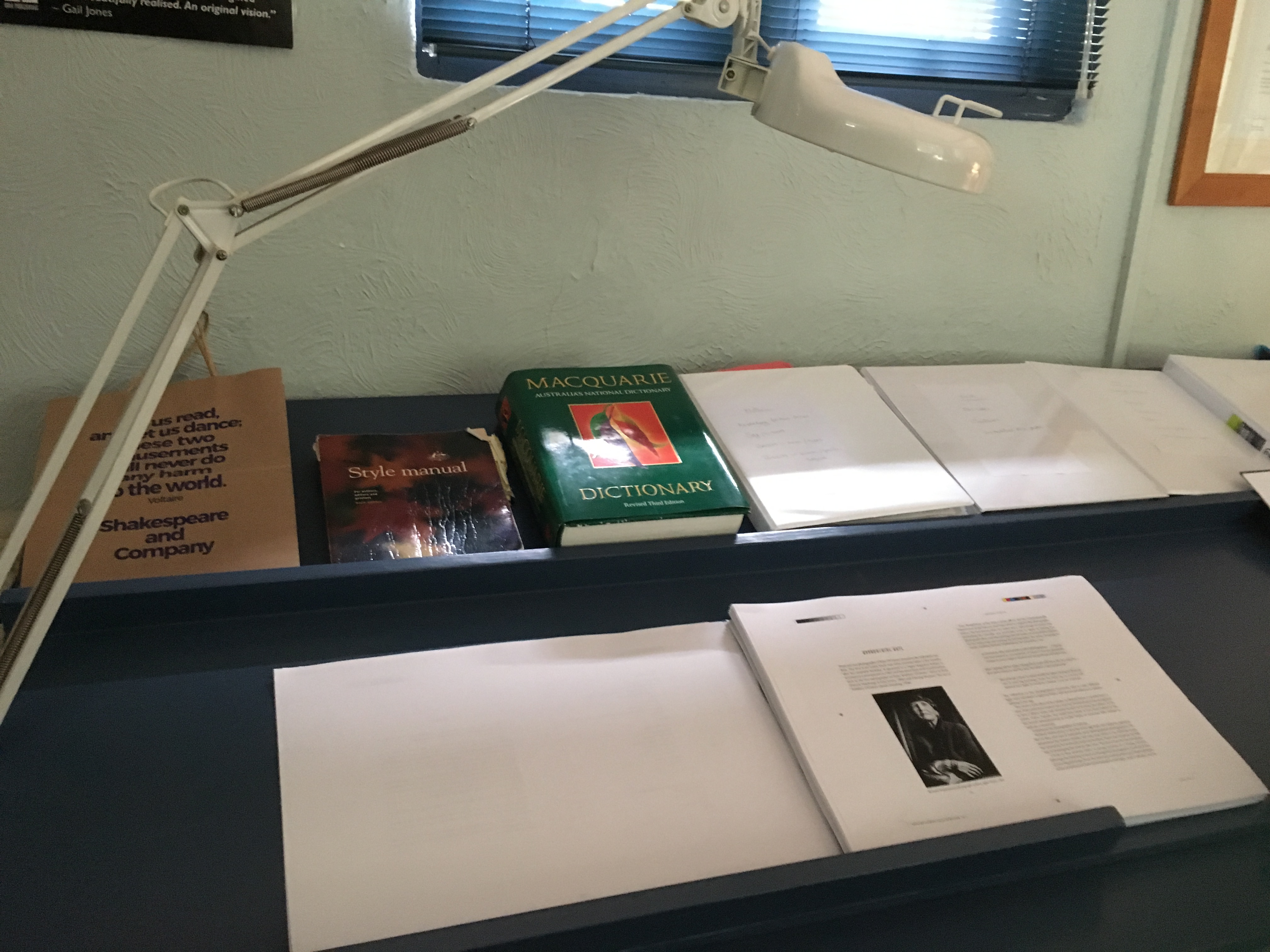
For now, the proofing begins…

IMG_4224

26 Comments

Filed under research, Writing

In praise of the ordinary…

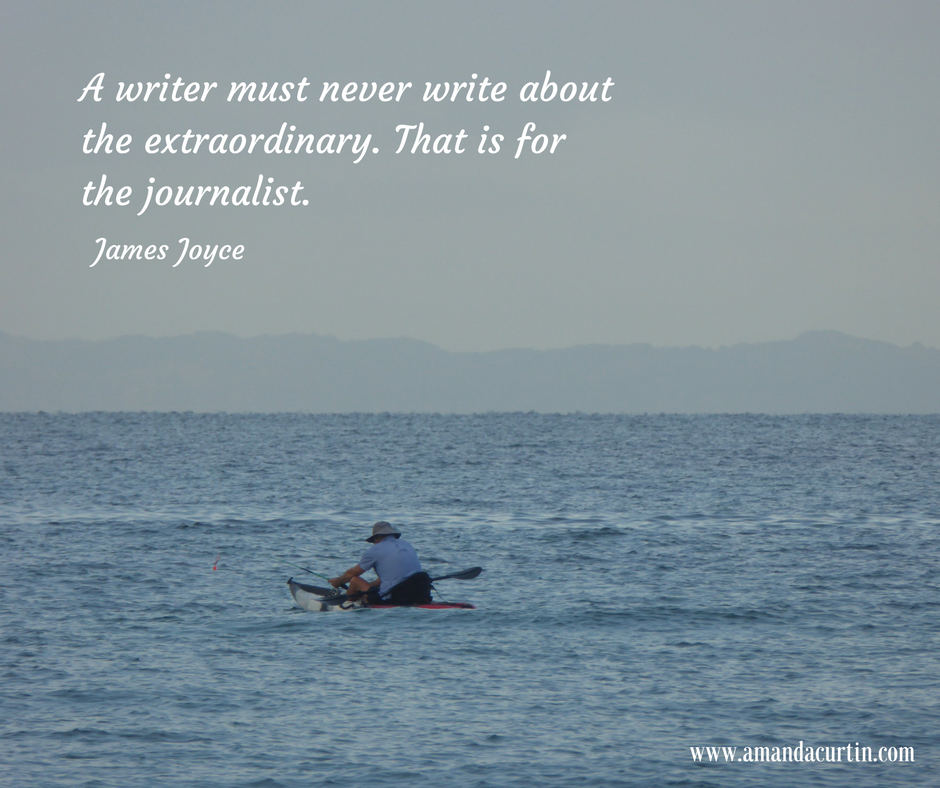
This week’s research reading unearthed a quote from James Joyce that I reacted to strongly in positive and negative ways.

I dislike the opposition it sets up. Joyce apparently did not accord much respect to journalists, and it’s clear here that he had an elitist view of who and what ‘writers’ were and were not.

Also, it’s a lofty, arrogant piece of ‘advice’—perhaps no surprise that Joyce was giving it to a female writer, Djuna Barnes. It made me wonder about who Joyce’s cosy little of club of ‘writers’ might actually be. I suspect that it would not include too many women.

And yet, and yet…Joyce’s words express something I believe about fiction, although not in the absolute and exclusive way Joyce seems to have intended it. They acknowledge the unremarkable, the quotidian, the minutiae of life as fundamental subjects of fiction.

A writer must never write about the extraordinary. That is for the journalist.

8 Comments

Filed under Writing