Tag Archives: 2 2 and 2

2, 2 and 2: S.A. Jones talks about Isabelle of the Moon and Stars

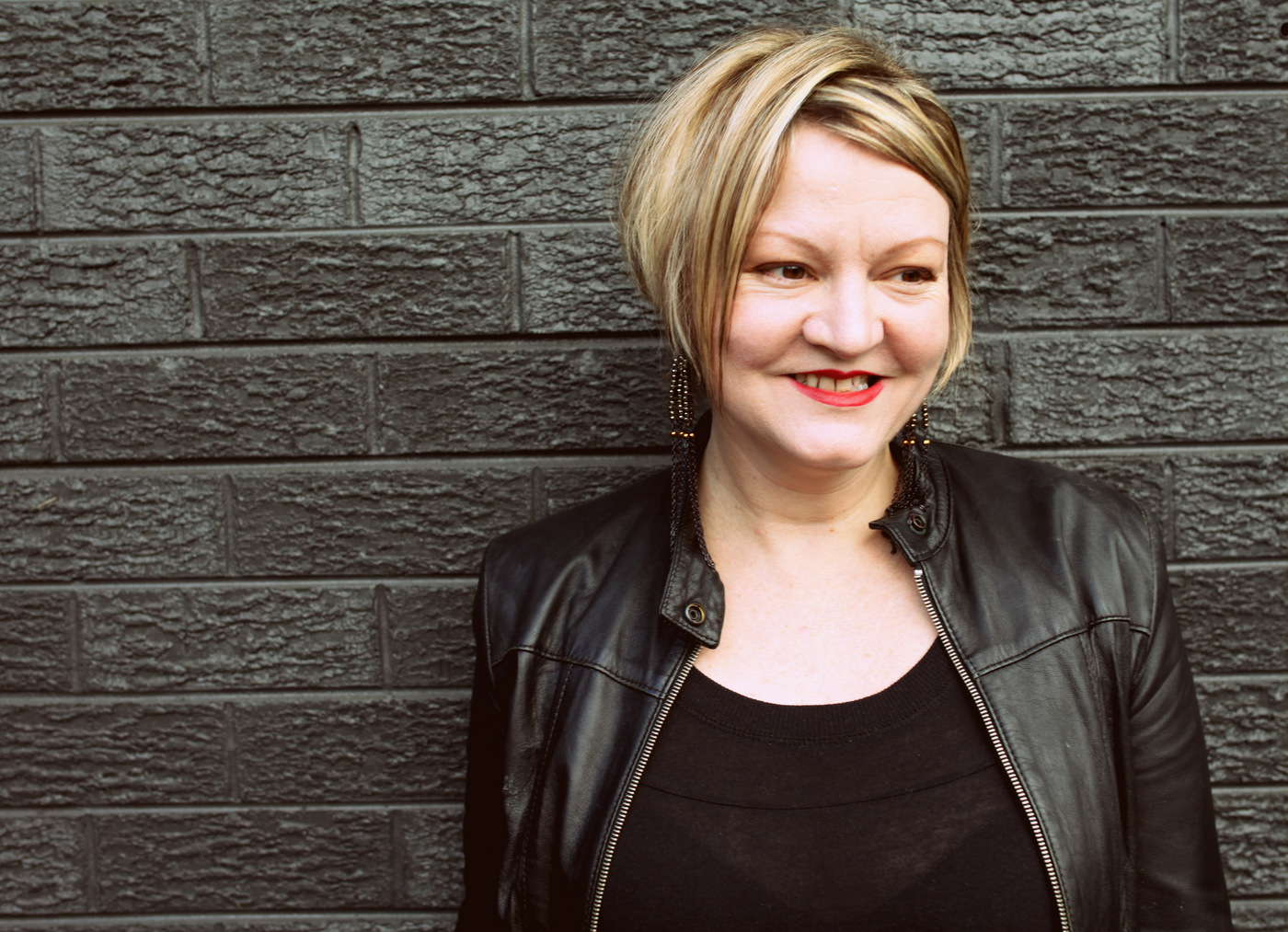
IMG_6337-001Today’s 2, 2, and 2 guest is S.A. Jones, whom I know as Serje, and the new book being featured is her second novel, Isabelle of the Moon and Stars (UWA Publishing).

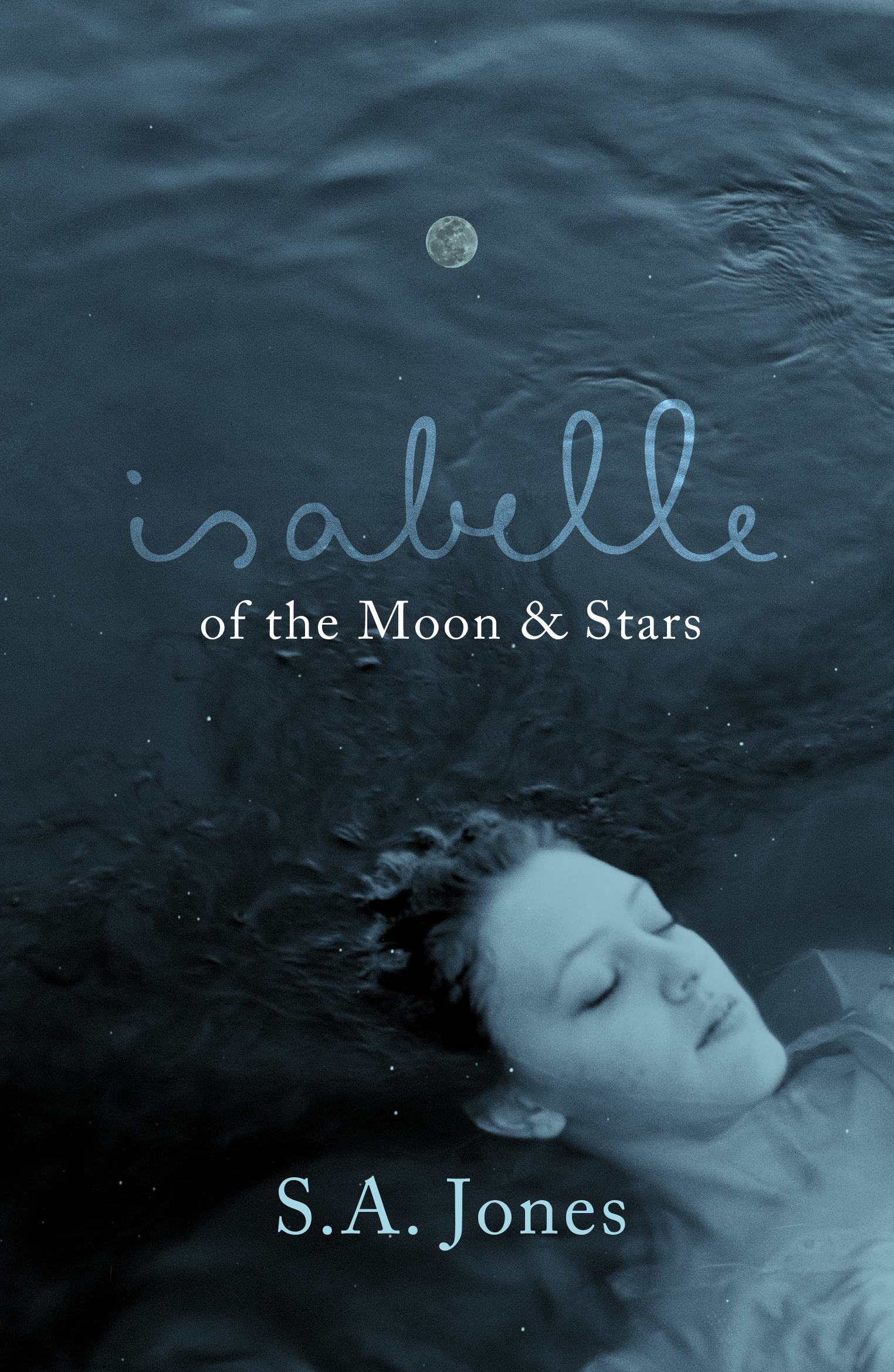
I have been among Serje’s fans since reading her first novel, Red Dress Walking (Allen & Unwin, 2008), and I’ve also enjoyed her essays and reviews in publications like The Guardian, The Age, The Drum, Crikey, Overland and Kill Your Darlings. I had the privilege of reading an impressive early draft of Isabelle of the Moon and Stars and can’t wait to read it in its final form, clothed as it is in one of the most evocative covers I’ve seen for a long time (congratulations to designer Anna Maley-Fadgyas, who also produced the cover of Elemental).

A few interesting facts about the always-interesting Serje:

  • she was born in England and raised on a remote island off the West Australian coast
  • she holds a PhD in History from The University of Western Australia
  • she now lives and works in Melbourne as an executive in the heavy transport industry
  • she was named one of Australia’s 100 Women of Influence in 2013
  • she is, and I quote, ‘mad-keen on reading, theology, history, trucks and chardonnay’
  • she knows more about Wuthering Heights than anyone I know

And now, to Isabelle of the Moon and Stars. Here is the book blurb:

Ever since ‘the incident’ two years ago, Isabelle has been stuck in a dead-end job, trying desperately to keep it together and ward off ‘The Black Place’.

Her best friend Evan is her safe place. They laugh at each other’s jokes, share the same interests and take the piss out of each other with the ruthless efficiency of long acquaintance. Sex isn’t an issue because Evan has made a bargain with God to keep it in his pants and Isabelle is still recovering from being deserted by her fiancé Karl. Then just as Evan reconsiders his vow, Isabelle contrives a bizarre passion for her boss, Jack.

Everything implodes one suffocatingly hot Australia Day. Escaping the resulting chaos, Isabelle flees to Prague where she must finally confront her fears.

A provocative and funny novel about the dark places, both personal and historical, from one of Australia’s brightest new voices.

Over to Serje…
isabelle_cover

2 things that inspired my book

Isabelle of the Moon and Stars was born out of a very specific set of circumstances. My marriage had collapsed, I had no fixed address and I was in poor health. Writing was a way of maintaining focus and connecting my nascent ‘new’ self with the old one.

I was also inspired by a dissatisfaction with the way mental illness is often portrayed in popular culture. I wanted to see if it was possible to write about anxiety and depression in a way that was realistic, while conforming to the genre demands of the novel. It’s challenging because the reality of the illness—the repetition, the hyper vigilance, the self-absorption—is oppositional to the light and shade and change that make for good narrative.

2 places connected with the book

As a child, my heroine Isabelle developed a compulsive fascination with the city of Prague. I based her obsession on my own childhood experience of Russophilia. I went through a phase where I read only Russian literature, devoured everything I could on Russian history and collected hammer and sickle memorabilia. In fact, my childhood identification with all things Russian is to thank or blame for my nickname. A girlfriend started calling me ‘Serge’ in my early teens, figuring it was a Russian name, and it stuck so comprehensively that I simply adapted the spelling to the Finnish girl’s name ‘Serje’.

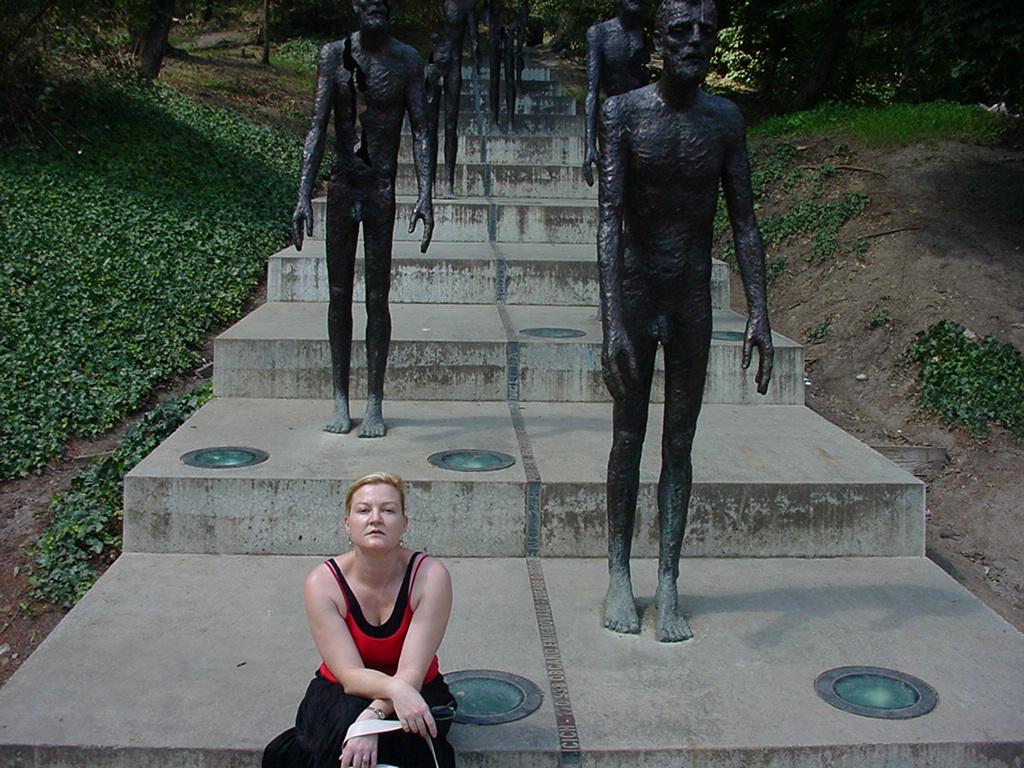
I went to Prague in 2008 to conduct my research. Below is a photo of me sitting in front of the memorial to the victims of communism. The memorial consists of a series of humanoid figures that progressively put on flesh and detail as they endure and evolve. That was pretty much how I felt at the time too.
kidsholiday193

2 favourites

One of my favourite associations with this book is the research trip I took to the Czech Republic and Germany in 2008. My sister accompanied me and it was a formative experience for both of us. It confirmed that old cliché that opportunity is the close cousin of crisis.

I’d be lying if I didn’t confess to some dark enjoyment at having invented my own management strategy for the book. As anyone who has spent time in the workforce knows, initiatives for better performance or efficiency or alignment are often as facile as they are absurd. I really hope my strategy—called P3—takes off.

Isabelle of the Moon and Stars is in bookshops now.
You can read more at:
UWA Publishing
S.A. Jones
Interview with William Yeoman, The West Australian

16 Comments

Filed under 2 2 and 2 (writers + new books)

2, 2 and 2: Richard Rossiter talks about Thicker Than Water

rr-1Richard Rossiter was once my lecturer, became my academic supervisor, and continues to be my mentor and friend—and for all these things I often wonder whatever it was I did to be so fortunate. Whenever I’m asked to name the most significant influences on my writing career, I always think of Richard, and in Edith Cowan University’s Celebration of the Book exhibition catalogue five other writers (Robyn Mundy, Danielle Wood, Annabel Smith, Julia Lawrinson and Terry Whitebeach) similarly acknowledge the importance of his contribution.

Following on from his career as an academic and supervisor, Richard has worked as an editor, writer, board member of a small publisher, and frequent judge of writing competitions. He says that in these latter roles, he is enormously impressed by the standard of writing that is submitted and realises it is a privilege to be published in a very competitive market.

Richard lives, for most of the time, in North Fremantle, Western Australia, at the narrowest point between ocean and river. Otherwise he is ‘down south’ in a cottage surrounded by trees within hearing distance of the ocean, north of Gracetown.

His short fiction has been published widely, and a collection, Arrhythmia: Stories of Desire (UWA Publishing), was published in 2009. His new book, Thicker Than Water (UWA Publishing), is a novella, and I’m delighted to be featuring it in the 2, 2 and 2 series.

Here is the book blurb:

When Marie D’Anger saw that look in Edy Baudin’s eye, she knew it was time to go home.

Marie D’Anger returns to the family home in south-west Australia after years of living in England, to a father whose destructive impulses have been curbed by a stroke, and a mother whose passivity she never understood.

Behind her is Edy Baudin and the deep love they shared before he left, suddenly and without explanation. Further back still is her father and his fraught relationships with his mother, brother and step-father. But when Edy follows Marie to Australia, her father’s shocking revelation brings hidden things to the surface.

This is quintessential Rossiter: an intense, poetic, family drama and psychological tragedy.

Over now to Richard…

Thicker_than_water_large

2 things that inspired the book

At a micro level, one prompt for the book was a photograph sent by a friend from England. It was a selfie in black and white: two faces close up with remarkably similar eyes and nose and mouth and I began to wonder (yet again) about attraction between couples.

More removed and abstract is an ongoing interest in how identities are formed: what shapes our lives in terms of immediate circumstances, but also the larger forces at work—social, cultural, political, historical—and the fact that these (often tangential) forces are represented by the stories that we tell, and those that we hear, those told to us in myth and fiction and contemporary media.

2 places connected with the book

Integral to the story is the southwest coast of Western Australia, specifically between Gracetown and Margaret River. It is important not just in a physical sense, but also in terms of the stories that embody and surround it. So it’s the trees, the granite, the limestone, the coastal heath, the ever changing ocean and the people who have carved out a life there—especially at Ellensbrook and the mouth of the Margaret River.

OLYMPUS DIGITAL CAMERA

There is a place that exists in my mind (and of course does exist in various known and unknown places) that is encapsulated in a sentence that has stuck with me for a number of years, in a letter from Fanny Bussell to her cousin Capel Carter. She is describing the house at the property ‘Cattle Chosen’ (built 1832) and its surrounds. She writes: ‘The windows command on one side a pleasant view of the river, with the country in its unredeemed state…This side of the prospect is full of beauty, and yet I dwell with more interest and delight on the opposite scene…It is more essentially English and bears the marks of our daily improvements.’ She talks of the ‘improving hand of the European’ and clearly sees the need for nature to be redeemed from its natural state, from wilderness.

There is a brief reference to such a garden on page 52 of Thicker Than Water. For me, it works as an image of all sorts of divisions within our society; it reflects our uncertainty about identity and our history.

2 favourite passages in the book

There are two rather different passages in the book that I have some special affection for, probably because they are, very loosely, based on my own experience. The first describes the character Kenneth as a young boy on his way home from boarding school for a long weekend. He is on a train and has been furtively glancing at a girl nearby and adjusting his clothing, loosening his tie and removing his cap, so he looks more casual—like her. She gets off at the station before his, but he is still thinking about her when he hops off, hoping his mother will be there to meet him.

As the train slowed down, he stood up, looking out of the window at the lights and the few people standing around. There she was. He opened the door and stepped out before the train had stopped. He’d seen older men do this; they took a neat step forward and walked swiftly away from the carriage. It seemed grown up and sophisticated. He stepped out and lost his balance because the train was going too fast and his bag made him clumsy. He staggered and fell forward, grazing his arms. Then his mother was at his side, helping him up like a child. His eyes smarted with the sting. Sweetheart, are you alright? Why did you do that? He couldn’t answer her. He picked up his bag and walked towards the exit, his mother following and still asking him questions. He was glad Andrew was not with her. Then he thought of the girl, and kicked at the gravel on the path. (41)

The second passage concerns a description of the house that Marie, a key character in the novel (daughter of Kenneth), moves into. She is unused to the sound and feel of it, especially during storms at night. Hetty, who has died, was her grandmother.

On most mornings she was organised with a little pile of wood in a box beside the stove, so she didn’t have to venture outside to the woodheap. But not this one. Last night she was home late; it was dark and wet and cold, so now she didn’t have any kindling and it was still raining. She knew it had started up about 3am because she’d been woken by the sound of the rain, at first an insistent pattering on the tin roof. And then the wind came in massive gusts that shook the whole house. Somewhere there was a gap in the cladding, or the lining, and she could feel a thin draft of cold wind on her face as she lay in bed, in her grandmother’s bed. Hetty must have felt this draught, she thought, and she too must have lain awake on nights like this. Every so often there would be a roar that you could hear starting down the valley and she would lie there, her whole body tense and listening and waiting for it to strike the house. Everything rattled and shook. She could hear objects flying off the veranda, and imagined the roof lifted a little before settling back down. On edge for the next gust, she wondered whether the whole structure, the corrugated iron and timber beams, would rise up like a giant prehistoric bird and fly off into the darkness. (78–79)


Thicker Than Water is in bookshops now, and you can find out more at:
UWA Publishing

7 Comments

Filed under 2 2 and 2 (writers + new books)

2, 2 and 2: Annabel Smith talks about The Ark

My fourth guest in the 2, 2 and 2 series, which features writers with new books, is Annabel Smith, and it’s a huge pleasure and very exciting to be showcasing her new novel, The Ark.

Unknown-1

Annabel and I have been sharing work—one way or another—for fifteen years. I edited her first novel, A New Map of the Universe, for UWA Publishing. As part of a writing group with Annabel and Robyn Mundy, I watched the evolution of her second, Whisky Charlie Foxtrot (Fremantle Press), as we read and reviewed chapter by chapter. Similarly, I have seen The Ark grow from its beginnings, and cheered for Annabel when she was the recipient of a two-year Creative Australia Fellowship from the Australia Council, for emerging artists working on interdisciplinary projects, to enable her to develop The Ark as an interactive work.

The Ark is unlike Annabel’s first two books—not only in its digital form but also in its style and genre. It is a work of dystopian speculative fiction, and its story is told in documents (read more about that here). Here is the book’s blurb, and you can also browse the book’s fabulous interactive website:

Wool meets Super Sad True Love Story

The year is 2041. As rapidly dwindling oil supplies wreak havoc worldwide a team of scientists and their families abandon their homes and retreat into a bunker known as The Ark, alongside five billion plant seeds that hold the key to the future of life on Earth. But The Ark’s sanctuary comes at a price.

When their charismatic leader’s hidden agenda is revealed it becomes impossible to know who to trust. Those locked out of The Ark become increasingly desperate to enter, while those within begin to yearn for escape.

The Ark delves into the fears and concerns raised by the environmental predicament facing the world today, exploring human nature in desperate times. At its heart it asks: can our moral compass ever return to true north after a period in which every decision might be a matter of life and death and the only imperative is survival?

Over to Annabel…

Unknown

Super Sad True Love Story meets Wool

The year is 2041. As rapidly dwindling oil supplies wreak havoc worldwide, a team of scientists and their families abandon their homes and retreat into a bunker known as The Ark, alongside five billion plant seeds that hold the key to the future of life on Earth. But The Ark’s sanctuary comes at a price. 

When their charismatic leader’s hidden agenda is revealed it becomes impossible to know who to trust. Those locked out of The Ark become increasingly desperate to enter, while those within begin to yearn for escape.

The Ark delves into the fears and concerns raised by the environmental predicament facing the world today, exploring human nature in desperate times. At its heart it asks: can our moral compass ever return to true north after a period in which every decision might be a matter of life and death and the only imperative is survival?

– See more at: http://annabelsmith.com/?page_id=51#sthash.uQG57e6c.dpuf

Super Sad True Love Story meets Wool

The year is 2041. As rapidly dwindling oil supplies wreak havoc worldwide, a team of scientists and their families abandon their homes and retreat into a bunker known as The Ark, alongside five billion plant seeds that hold the key to the future of life on Earth. But The Ark’s sanctuary comes at a price. 

When their charismatic leader’s hidden agenda is revealed it becomes impossible to know who to trust. Those locked out of The Ark become increasingly desperate to enter, while those within begin to yearn for escape.

The Ark delves into the fears and concerns raised by the environmental predicament facing the world today, exploring human nature in desperate times. At its heart it asks: can our moral compass ever return to true north after a period in which every decision might be a matter of life and death and the only imperative is survival?

– See more at: http://annabelsmith.com/?page_id=51#sthash.uQG57e6c.dpuf

Super Sad True Love Story meets Wool

The year is 2041. As rapidly dwindling oil supplies wreak havoc worldwide, a team of scientists and their families abandon their homes and retreat into a bunker known as The Ark, alongside five billion plant seeds that hold the key to the future of life on Earth. But The Ark’s sanctuary comes at a price. 

When their charismatic leader’s hidden agenda is revealed it becomes impossible to know who to trust. Those locked out of The Ark become increasingly desperate to enter, while those within begin to yearn for escape.

The Ark delves into the fears and concerns raised by the environmental predicament facing the world today, exploring human nature in desperate times. At its heart it asks: can our moral compass ever return to true north after a period in which every decision might be a matter of life and death and the only imperative is survival?

– See more at: http://annabelsmith.com/?page_id=51#sthash.uQG57e6c.dpu

2 things that inspired The Ark

A few years ago I read Adrian Atkinson’s foreboding essay ‘Cities After Oil’, about the likely collapse of society as we know it, in a period of chaos following post-peak oil. I couldn’t stop thinking about it. Then, in the ‘environmental lifestyle’ magazine G, I saw a snippet about the Svalbard Global Seed Bank, also known as the Doomsday vault. These two ideas came together in my mind and The Ark was born.

2 places connected with The Ark

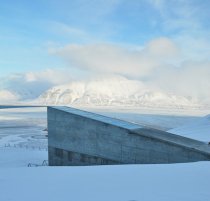
Svalbard Global Seed Vault (Global Crop Diversity Trust)

Svalbard Global Seed Vault (Global Crop Diversity Trust)

Since the Svalbard seed vault was the inspiration for my book, I’ll never be able to think about The Ark without picturing Svalbard. Tunnelled into a mountain on the Norwegian island of Spitsbergen, it can protect its seeds from nuclear war, asteroid strikes and climate change. Even if the power fails, the seeds will be preserved at or below zero by the mountain’s permafrost, and most seeds can survive at this temperature for two or more years.

However, I didn’t want to set my novel at Svalbard, for two reasons. Firstly, direct experience of the facility seemed essential for verisimilitude, but my son was only two years old when I began writing and it wasn’t practical for me to travel to the Arctic Circle. More importantly, I didn’t want my story to be constrained by reality. I decided to create my own seed bank. Research revealed that in the last ice age, there was a small glacier on Mount Kosciusko, and though it no longer has permafrost, this, if I wanted an Australian setting, was as close as I was going to get. Here I ‘built’ the National Arboreal Protection Facility, aka ‘The Ark’.

2 favourite methods of communication in The Ark

The Ark is a novel-in-documents. The story is revealed through blog posts, text messages, emails, memos and a variety of other forms. I really had fun coming up with some of these forms and inventing brand names for the software programs.

One of the document types I got a kick out of creating was a type of email called a Headless Horseman. Allegedly developed by the Yakuza, the program enables people to communicate in secret: The horseman cannot be detected by voyeur systems and can outride all known e-mercenaries.

Perhaps the most fun I had was with the voice recognition software program I invented, called Articulate. Articulate has the capacity to create transcripts of conversations, so it was a way to provide written evidence of some of the conversations (and arguments) which were essential to the novel’s action. Articulate also enables people to write the drafts of speeches, including notes to themselves for their delivery, which read as stage directions. One of the main characters, Aidan, loves to make speeches and has some particularly pompous stage directions in his draft transcripts.

You can follow Annabel on:
her website
Facebook
Twitter
You can buy The Ark here

24 Comments

Filed under 2 2 and 2 (writers + new books)

2, 2 and 2: Deb Fitzpatrick talks about The Break

UnknownToday’s 2, 2 and 2 guest, and her book, are dear to my heart, and it’s a singular pleasure to have this opportunity to introduce them. Deb Fitzpatrick is a friend, an editing colleague and a writer I admire, a novelist with great compassion for the characters she creates and the world they inhabit. It was my privilege to edit her two YA novels—90 Packets of Instant Noodles (2010) and Have You Seen Ally Queen? (2011)—and I was thrilled when Fremantle Press invited me to work with her on her first novel for adult readers, The Break.

Deb lives and works in Fremantle, Western Australia. She has a Master of Arts (Creative Writing) from The University of Western Australia and occasionally teaches professional writing and editing at Curtin University. Her two novels for young adults were both awarded Notable Books by the Children’s Book Council of Australia, and she has also published a novel for younger readers, The Amazing Spencer Gray (2013).

picisto-20140803233014-399214Here is the blurb for The Break:

The south-west coast is the kind of place people escape to. Unless you have lived there all your life, in which case you long to get away. Rosie and Cray chuck in their city jobs to move to Margaret River, while Liza, Ferg and Sam have been there forever, working their lives away on the family farm. Under pressure from developers, the two families come together in the community’s efforts against unwanted change. But a natural disaster on the coastline they love opens deep wounds, and the true nature of community is revealed.

And now, over to Deb…

Unknown-1

2 things that inspired your book

Living in Margaret River and Gracetown in 1994. I served beers at the Margaret River Hotel in the evenings and then would go home to Gracetown through the forest to hear the swell crashing on the rocks at north and south points. The entire community of Gracetown engaged in the morning ritual of checking out the surf from the balconies perched above the ocean. You could see the cars in the limestone carparks at each point and knew pretty well who was out in the water and where. Margaret River was beginning to really boom but it was still pretty hippy, with shops selling crystals and dreamcatchers and the smell of incense wafting about and people sleeping in cars. On the other hand, there were real estate agents and developers making a fortune and there was a sense of conflict about that. Everyone wanted a piece of the action, but not many people living there had more than two cents to rub together.

The Gracetown Cliff Collapse two years later, and how the community coped with that. Regional communities often have huge reservoirs of strength; Margaret River and Gracetown are wonderful examples of that, and it was incredible, and very moving, to witness those communities make their way through that tragedy. This was brought back to me when fires destroyed 39 homes in Margaret River in November 2011.

2 places connected with your book

The night sky. This was a big one for me in my childhood—my brother was a self-taught student of astronomy and we would regularly go out to our back patio on clear nights to see what constellations we could see. He knew all sorts of things about pointers and hot stars and I was in awe of him as much as I was of the sky itself.

Houses and all that they hold. For me, houses have had a huge impact on how I’ve felt, and how I’ve seen myself in the world. I had a wonderful few years in two houses in Fremantle in the 1990s, which I blended in the book for the Fremantle scenes. One was a sprawling, falling-down house in South Fremantle, with an outside laundry and rotting verandahs on two sides; the other was a two-bedroom semi-detached near Fremantle Hospital with a tiny sun-speckled back garden with a fig tree and grapevines and rats scampering about.

2 favourite sentences in the book

‘The great tree swings restless next to a wide weatherboard house, next to a dark and moving river, next to the blue fusion of two oceans.’ (p. 7)

‘He was sitting in the sag of an old single bed, and somewhere in the world was a woman he loved, who had once loved him, who had lain at night with her ear at his lips, listening to him, wanting his words, noticing the sliver of moon, its opaqueness, when life was clean, when he was clean, before he sullied it all with grubby need.’ (p. 189)

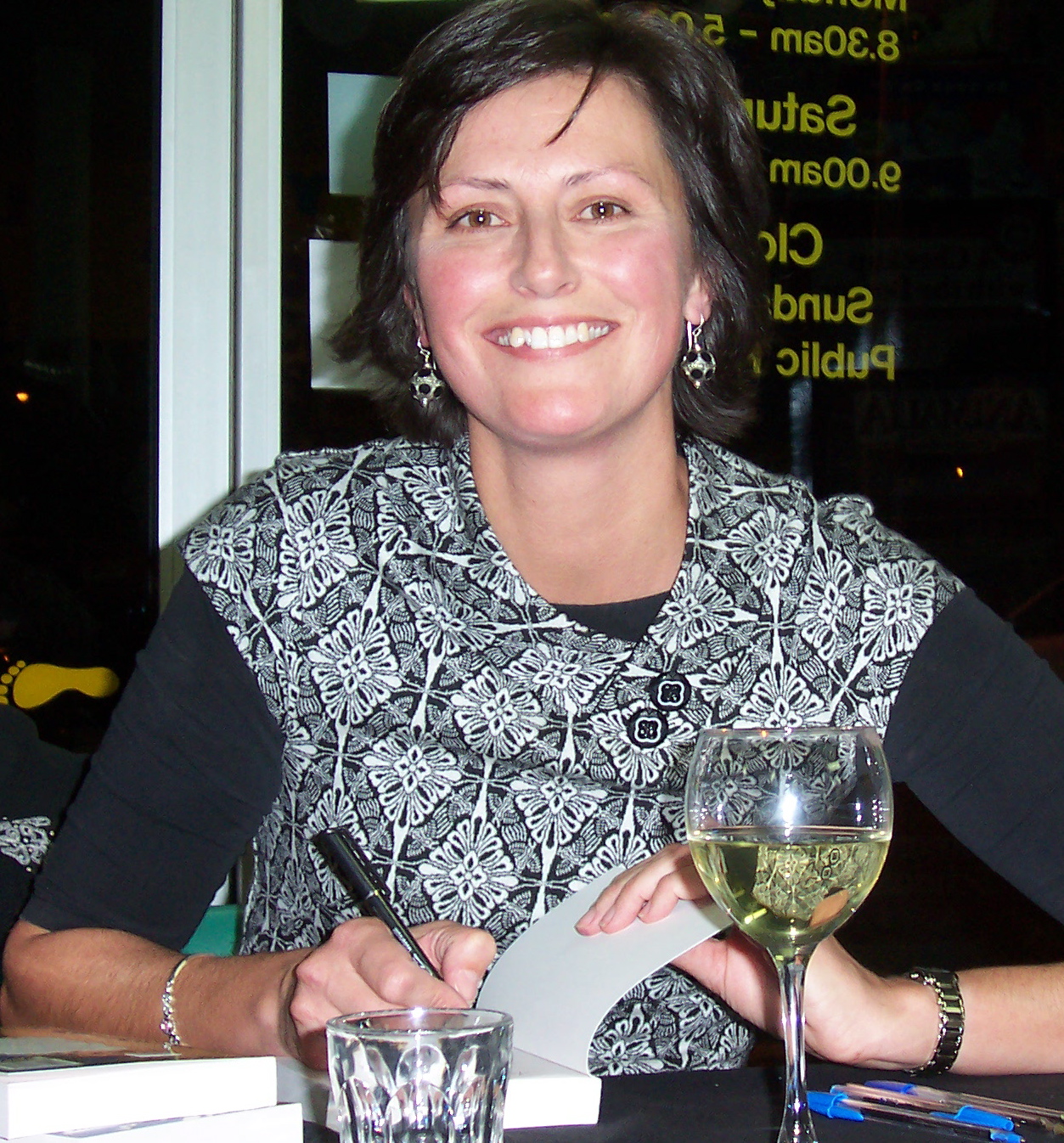
At the signing table

At the signing table

You can follow Deb on:
her website
Twitter: @DebFitzpatrick2
The Break is in bookshops now, and you can find out more at:
Fremantle Press

12 Comments

Filed under 2 2 and 2 (writers + new books)

2, 2 and 2: Brooke Davis talks about Lost & Found

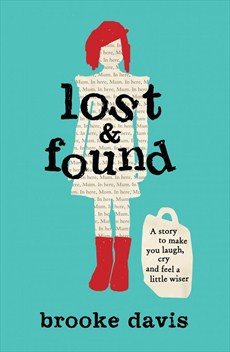
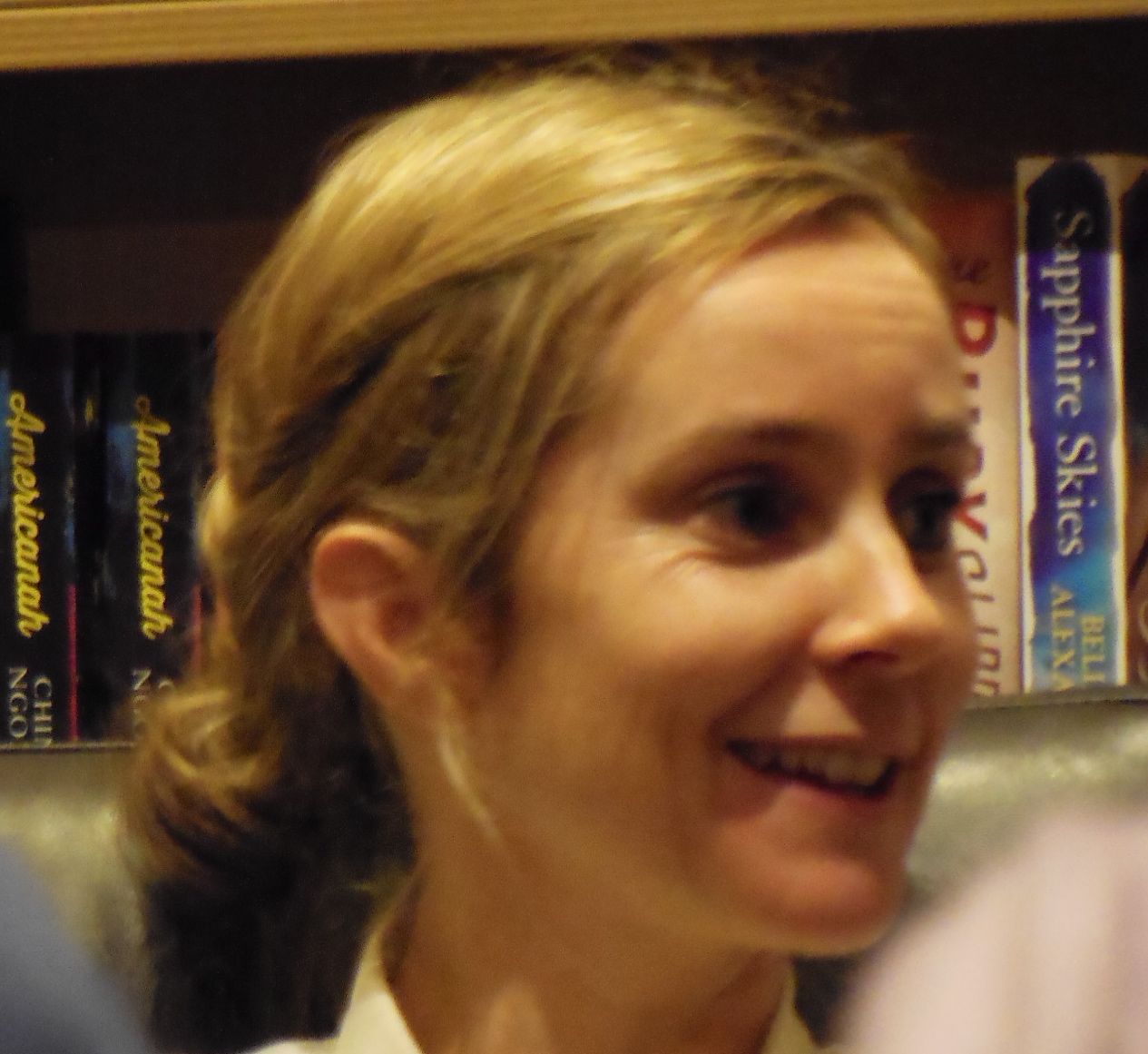
brooke! _114I met Brooke Davis some time ago at one of my favourite local indie bookshops, Beaufort Street Books. She was working there, and still is—but probably not for long, as Brooke’s debut novel, Lost & Found, has become a bestseller in Australia since its release last month and is to be published in twenty-five international territories in 2015.

Despite the common misconception that Brooke is a Perth girl (I think we’ve all been encouraging that!), she is from Bellbrae, Victoria, and moved to Western Australia to do her PhD in creative writing at Curtin University. While there, she was awarded the 2009 Bobbie Cullen Memorial Award for Women Writers, the 2009 AAWP Prize for Best Postgraduate Paper, and the 2011 Postgraduate Queensland Writing Prize. Before this, she had completed her Honours degree in writing at the University of Canberra, winning the Allen & Unwin Prize for Prose Fiction, the Verandah Prose Prize, and the University Medal. So her ‘overnight success’ comes on the heels of a substantial and distinguished apprenticeship.

Brooke doesn’t mind people knowing about the first novel she attempted to write, at the age of ten: a genre-busting foray into the inner-workings of a young teenage girl’s mind—Anne of Green Gables meets The Baby-sitters Club meets Are You There, God? It’s Me, Margaret. It was titled Summer Sadness. Fortunately, she says, it remains unfinished, as she quickly realised she didn’t know the first thing about sadness, or being a teenager!

Brooke was featured on a recent episode of Australian Story (ABC1), and you can view that here.

Here is the book blurb:

At seven years old, Millie Bird realises that everything is dying around her. She wasn’t to know that after she had recorded twenty-seven assorted creatures in her Book of Dead Things her dad would be a Dead Thing, too.

Agatha Pantha is eighty-two and has not left her house since her husband died. She sits behind her front window, hidden by the curtains and ivy, and shouts at passers-by, roaring her anger at complete strangers. Until the day Agatha spies a young girl across the street.

Karl the Touch Typist is eighty-seven when his son kisses him on the cheek before leaving him at the nursing home. As he watches his son leave, Karl has a moment of clarity. He escapes the home and takes off in search of something different.

Three lost people needing to be found. But they don’t know it yet. Millie, Agatha and Karl are about to break the rules and discover what living is all about.

Over to Brooke…

lost and found cover

2 things that inspired my book

Two major events in my life that inspired Lost & Found happened to the two most important women in my life: my mum and my nan. They’re both dark moments but they were moments when I was pushed to think deeply in ways I hadn’t before.

Mum died in a freak accident seven years ago, and before she died, I had never felt the kind of grief where you don’t know if you’re going to be okay or not. After she died, I was trying to understand how to live without her, and how to live with the knowledge that this was how life worked: that anyone I loved and depended on could die at any moment. The novel became my way of working through my own thoughts on that, and holding them up against how I saw these dark things being dealt with in society.

About two years into the writing of the novel, my nan was put into hospital after suffering a stroke. She was in hospital for a few weeks, and I flew home to Melbourne, and sat with her for a lot of that time. She was old, and sick, and when I spoke with her, you could tell she felt worthless because of that. And some of the staff at the hospital treated her like she should feel that way. That really bothered me, and it struck me as strange that they couldn’t see that one day, if they were lucky to live long enough, they too might be in this position. It made me think about the wider problem we have with our attitudes towards the elderly and ageing. It was around this time that my character Karl the Touch Typist found his way into Lost & Found. He wasn’t supposed to be there—I wanted a story with two female protagonists, and didn’t want a love story—but after Nan’s stroke, I felt an urgency to add this element to the narrative, to give Karl that feeling of invisibility that I could see my nan was enduring. It seemed natural to feed this into the novel, because I think our negative attitudes towards ageing have a lot to do with our fear of death and the silences we put on grief.

2 places connected with my book

The south-west coast of Western Australia is one of my very favourite parts of Australia—it reminds me so much of my home in Victoria, but is far less populated! I think I set my book there just so I could have an excuse to go visit.

Travelling by train has always been my favourite way to travel (as well as by bicycle!). I particularly adore really long train rides, like the trip from Melbourne to Perth. I find trains so relaxing—the rhythmic sound of them, and the way they force you to slow down a bit—and I love that you get to see parts of a country you might not see any other way.

2 favourite secondary characters from my book

Secondary characters are always a little difficult to nail, I think, because you as the author have to know them as well as you know your protagonists in order to present them as well-developed, three-dimensional characters, but they don’t get a lot of time on the page. So essentially you have to spend quite a bit of time with them for not much pay-off! Having said that, here are a couple of my favourite secondary characters in Lost & Found:

Jeremy Jones is a bit of a nod to one of my closest friends, also called Jeremy, who also kind of thinks he’s a super hero (the main difference between them being that Jeremy in Lost & Found is seven years old, and Jeremy in real life is thirty-three years old).

Helen the security guard is a character I feel a lot of empathy for  because she’s constantly saying things about herself out loud that she doesn’t really believe but that she hopes, by saying them, will become things she believes. I think we all do that sometimes.

At a recent reading at Beaufort Street Books

At a recent reading at Beaufort Street Books

You can follow Brooke on:
Twitter @thisisbrooked
Facebook

Lost & Found
is in bookshops now and you can find out more at
Hachette Australia

10 Comments

Filed under 2 2 and 2 (writers + new books)

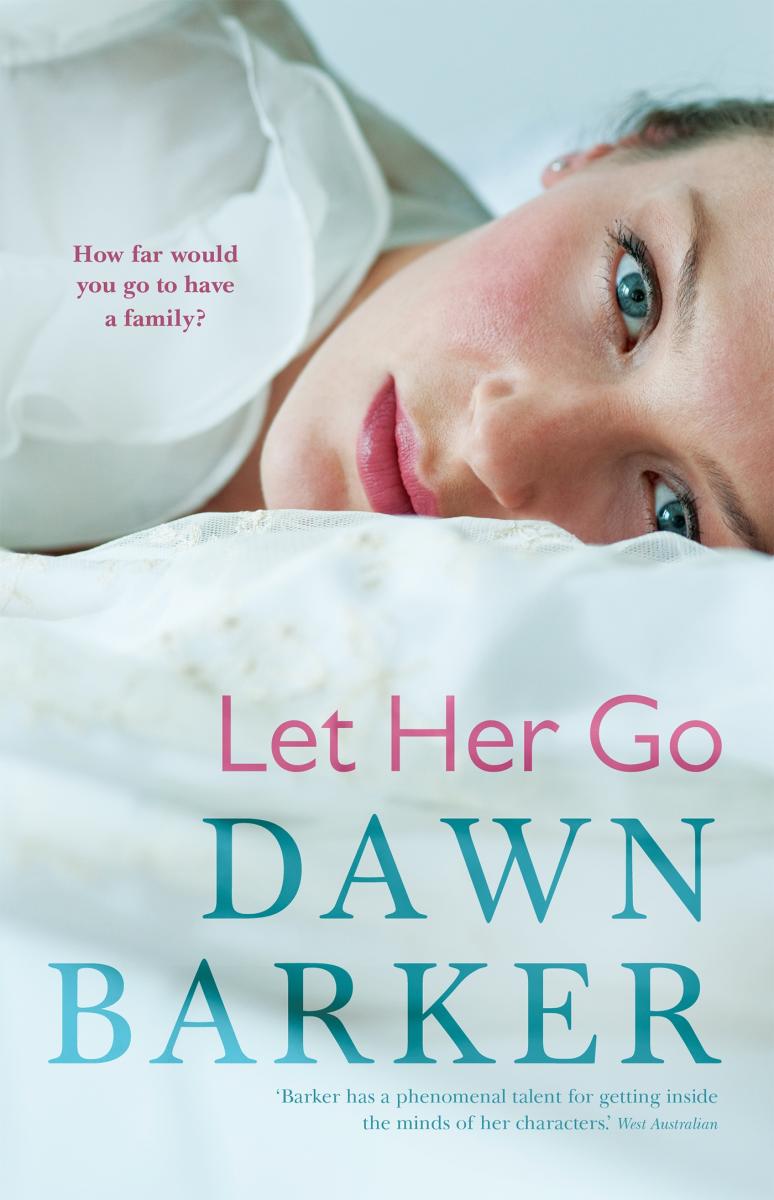
2, 2 and 2: Dawn Barker talks about Let Her Go

Welcome to a new series on looking up/looking down. While 3, 3 and 3 features creative people, 2, 2 and 2 narrows the focus to writers—and, specifically, writers with new books. It’s exciting to see so many excellent titles recently published and scheduled for the rest of 2014, and I unashamedly hope this series will give you a few to add to your ever-growing ‘to be read’ pile!

DawnBarkerHeadshotKicking off the series is writer friend Dawn Barker, whose first novel, Fractured, was one of Australia’s top-selling debut fiction titles in 2013.

Dawn is a psychiatrist, as well as an author. Her non-fiction has been published in various magazines and websites, such as Essential Baby, Mamamia, Quartz and the Medical Journal of Australia. She is originally from Scotland but now lives in Perth, Western Australia, with her husband and three young children.

Dawn’s new novel, Let Her Go, is part thriller, part mystery, a gripping novel about family, secrets and ethical dilemmas. Here is the book blurb:

How far would you go to have a family?

What would you hide for someone you love?

Confused and desperate, Zoe McAllister boards a ferry to Rottnest Island in the middle of winter, holding a tiny baby close to her chest, terrified that her husband will find her or that her sister will call the police.

Years later, a teenage girl, Louise, is found on the island, unconscious and alone.

Flown out for urgent medical treatment, when she recovers she returns home and overhears her parents discussing her past and the choices they’ve made.  Their secrets, slowly revealed, will shatter more than one family and, for Louise, nothing will ever be the same again.

It’s a pleasure to welcome Dawn…

LETHERGOjacket

2 things that inspired my book

I read two books that were big inspirations for Let Her Go.

Margaret Atwood’s The Handmaid’s Tale, while a completely different genre, was the first. I’d just watched a documentary about surrogacy where the body language of both the intended mother and the surrogate made me feel uncomfortable and I wondered what was going on behind their smiles. I then re-read The Handmaid’s Tale and saw that the world Atwood imagined in a speculative fiction novel—where an underclass of women are used for reproductive purposes—is not that far removed from the one we live in now. I felt conflicted: being a mother myself, I would never deny anyone the right to experience the joy of being a parent, but there are ethical issues to consider. I wanted to write Let Her Go to explore my own feelings about this complex issue.

The other book that was an inspiration is David Vann’s brilliant Caribou Island. While this is set in Alaska, a long way from Western Australia, Vann is an expert at using landscape—in this case, an island—to increase the intensity between characters. I loved the idea of an island being both an escape and a prison. This gave me the idea to set my book partly on Rottnest Island.

2 places connected with my book

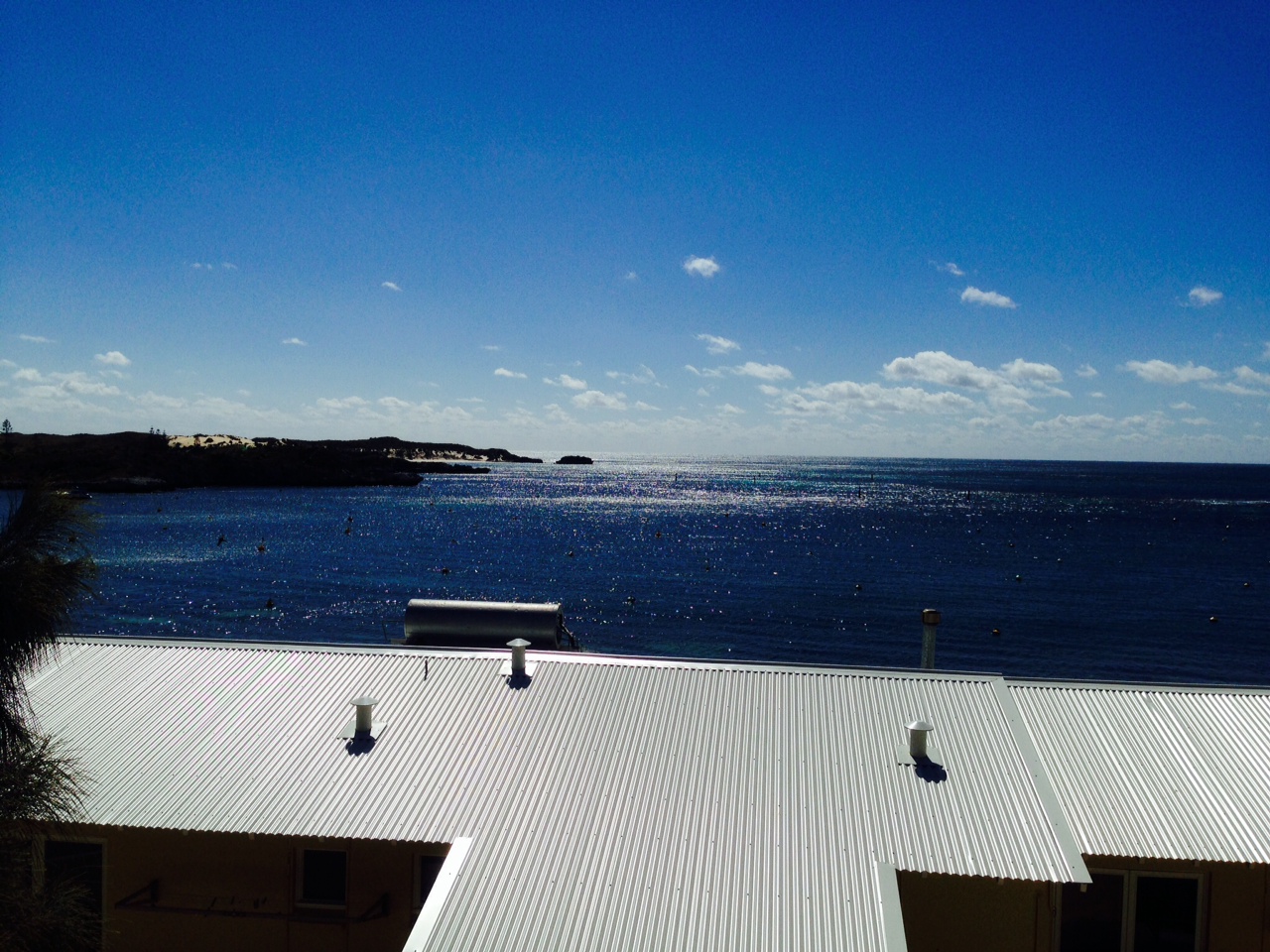
As mentioned, there are many sections of Let Her Go set on Rottnest Island, an island 20 kilometres offshore from Perth. Those of us who live in Perth see it shimmering on the horizon every time we drive past the beach, and as well as being a beautiful place, it’s an island steeped in history and myth.

I first heard about C.Y. O’Connor beach when I was on a friend’s boat at Rottnest Island, and so the links between the settings were in my mind from the very beginning. As we sat in a beautiful bay, eating lunch, my friend told me about a quiet beach in South Fremantle where just offshore there was a bronze statue of a man called C.Y. O’Connor on his horse, and that as the tide came in, the statue was gradually submerged. I learned that this was the beach where the real C.Y. O’Connor, a brilliant engineer who designed ‘the golden pipeline’ (which carries water from Perth to the goldfields of Kalgoorlie), rode out in to the water and shot himself. I visited the eerie beach, and then read more about the myths surrounding his death and followed his story to various places in Western Australia which made it into Let Her Go: Mundaring Weir, Fremantle Harbour and Rottnest.

View across Geordie Bay, Rottnest

2 favourite scenes from my book

There are two scenes in Let Her Go that are my favourites, because they seemed to write themselves. It’s a great feeling as a writer when you can almost visualise a scene in your mind and all you have to do is transcribe it. These two sections ended up virtually unchanged from the first draft.

The first is the scene that is now the prologue. In it, we see a woman on the ferry to Rottnest Island, crying, fearful and clutching a baby to her chest. While writing it, I could taste the salt in the air, smell the fumes and feel the rolling nausea from the motion sickness of the ferry. I could sense the desperation in this character, Zoe, to hold on to the child and the fear that someone would come after her and the baby.

The other scene is one set at Mundaring Weir, a dam in the hills of Perth. The lake below the dam wall is still, milky, and voices and the calls of birds echo through the valley. While I have set two scenes here, my favourite involves one of the main characters, Nadia, making a huge decision about her family—a decision, and a place, that will follow all the characters forever.

Mundaring, view from the top of the weir

Mundaring, view from the top of the weir

DSCN5401_2

Launch celebration: at the signing table

You can follow Dawn on:
her website
Twitter: @drdawnbarker
Facebook
Let Her Go is in bookstores now and you can find out more at
Hachette Australia

16 Comments

Filed under 2 2 and 2 (writers + new books)